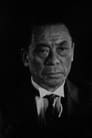
The Fuller Brush Girl (1950)... 1950


🎥 Check more movies by director Akira Kurosawa
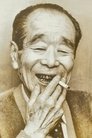
⭐ Check more movies starring Takashi Shimura
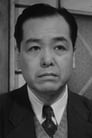
⭐ Check more movies starring Haruo Tanaka
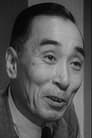
⭐ Check more movies starring Nobuo Kaneko
Original title: 生きる (Japanese) · 生きる — カラー化版, カラー版 · colorized version of Ikiru (1952)
Ikiru (1952), the drama classic starring Takashi Shimura and Haruo Tanaka, was originally released in black and white — no official colour version was ever produced by the studio. What you are looking at is the professionally colorized restoration: every frame recoloured, available as an instant DRM-free HD (720p) download. You can judge it yourself — the colour preview plays on this page before you buy.
Buy Ikiru (1952) in color — Akira Kurosawa’s profoundly moving masterpiece about one man’s search for meaning in the face of death, widely regarded as one of the greatest films ever made. Originally titled 生きる (Ikiru), meaning “To Live.” Starring Takashi Shimura, Haruo Tanaka, Nobuo Kaneko, Miki Odagiri, Shinichi Himori, and Minoru Chiaki. A big story of a little man which will grip your soul — available now as an instant, DRM-free digital download.
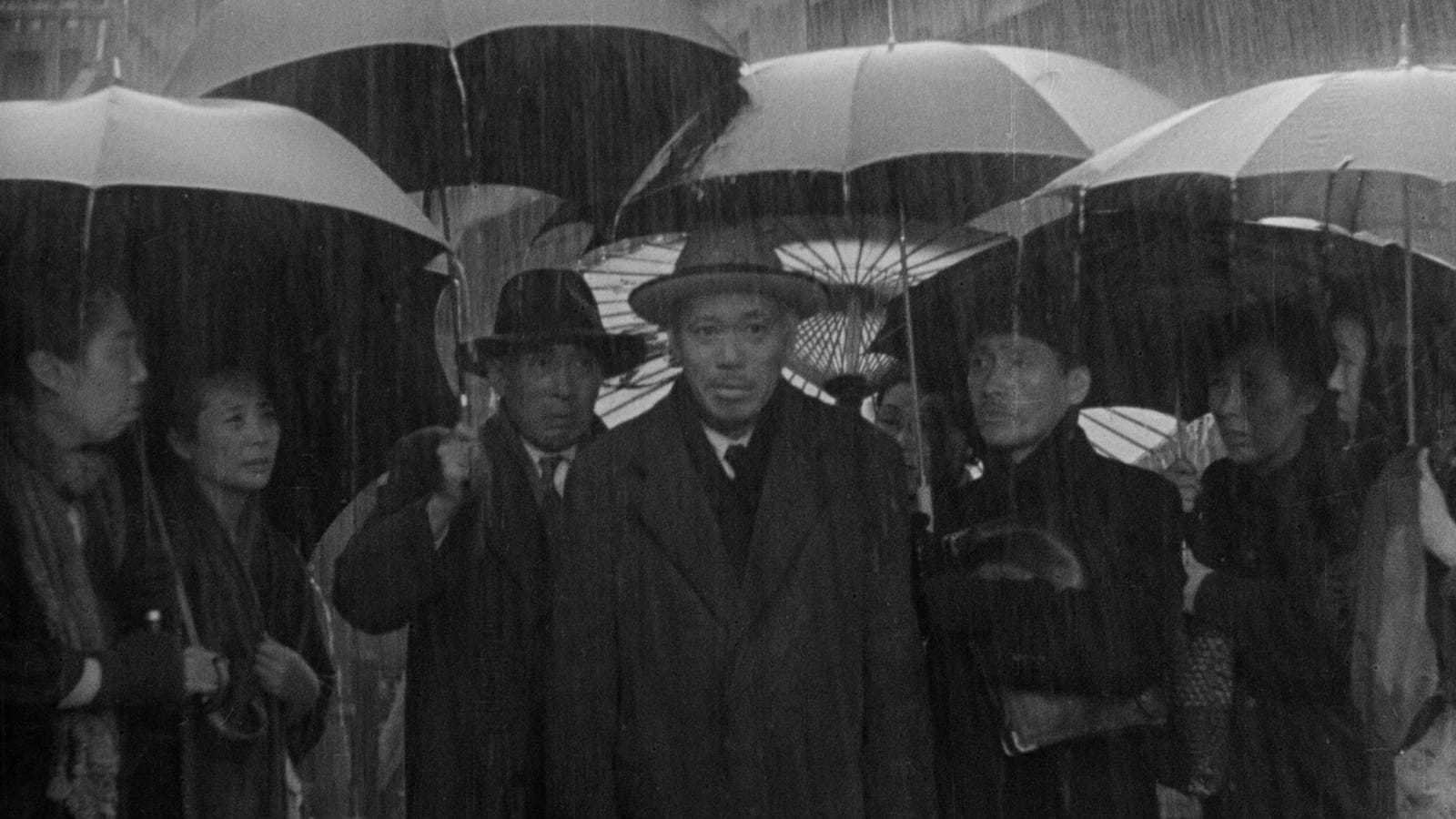
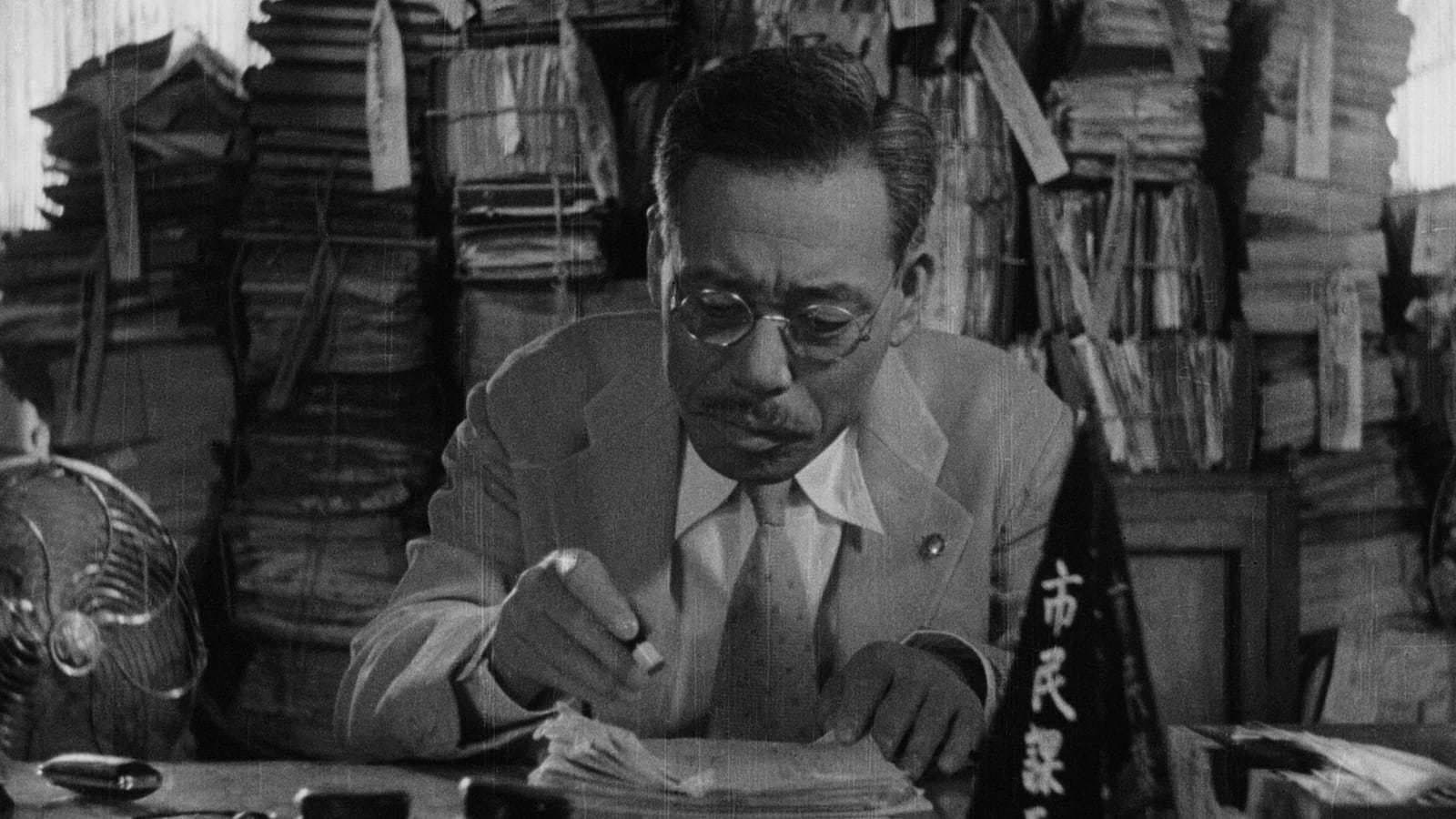
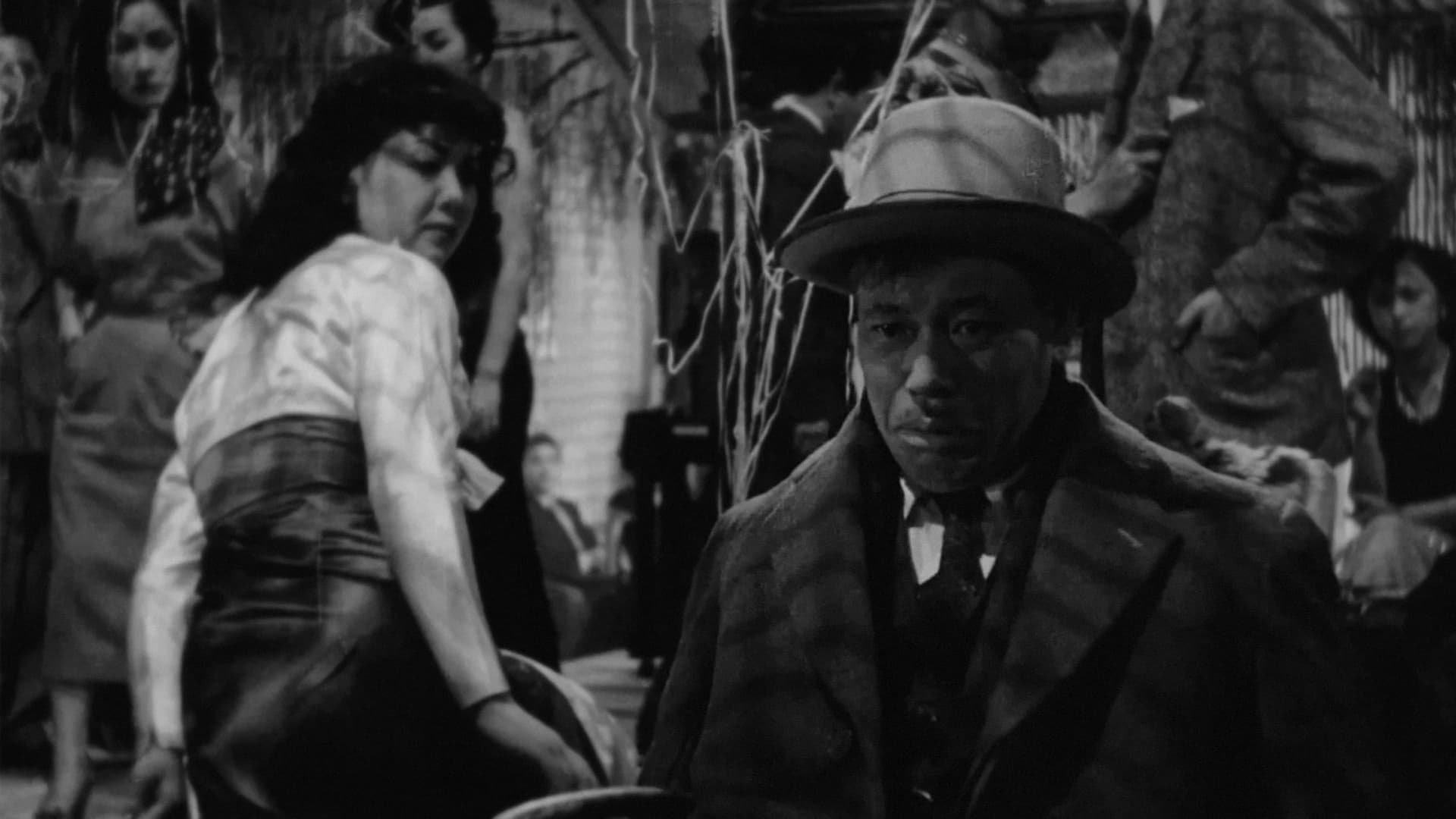
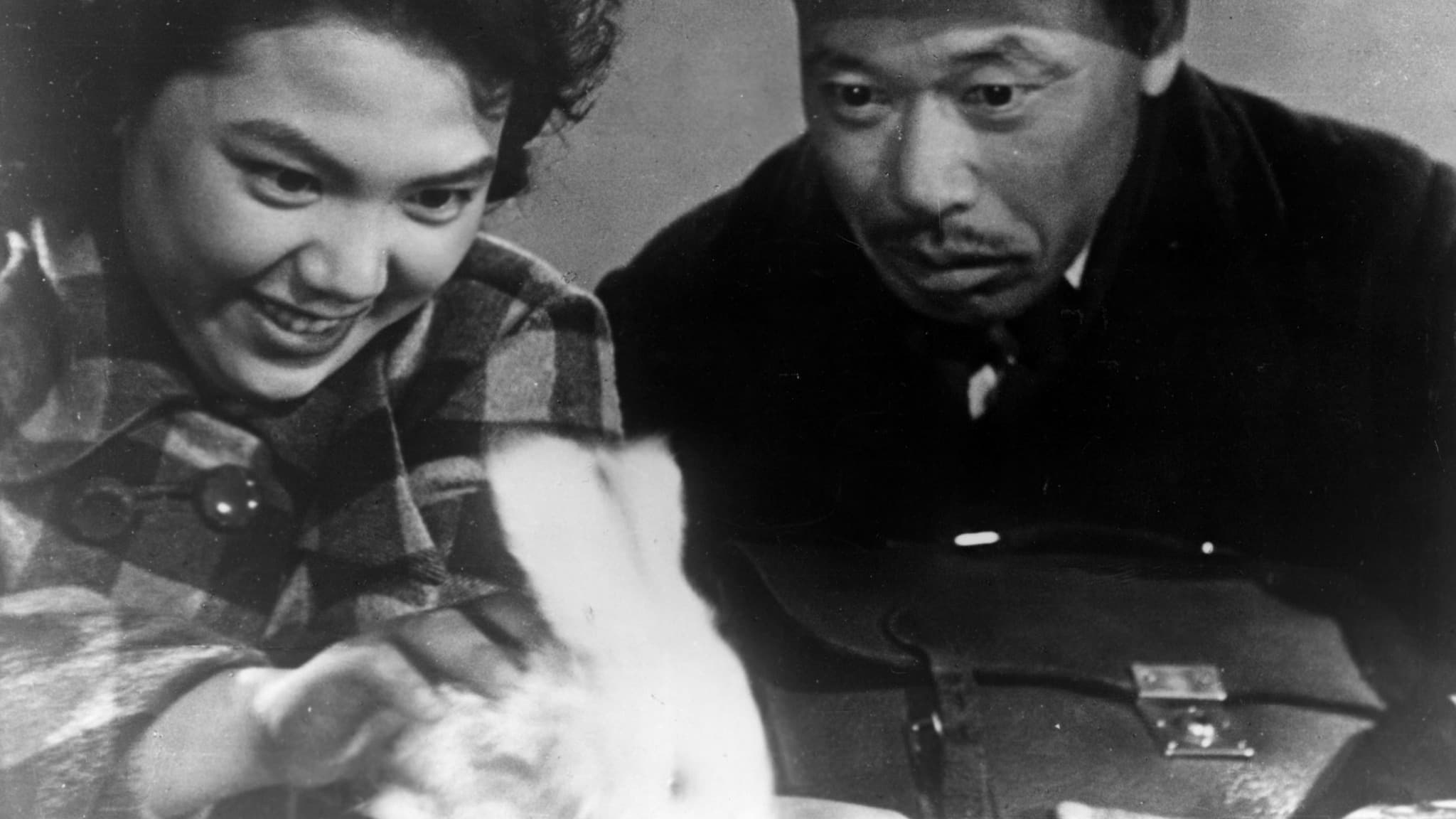
Kanji Watanabe (Takashi Shimura) is a middle-aged bureaucrat who has spent thirty years sitting behind the same desk at Tokyo’s City Hall, mechanically stamping documents and shuffling papers without ever questioning the emptiness of his existence. He has not taken a single day off in decades, and his colleagues refer to him as “the Mummy” behind his back. The narrator tells us bluntly that this man is already dead — he simply has not been buried yet. When Watanabe visits a doctor for persistent stomach pain, he learns through a fellow patient’s coded explanation that his diagnosis is terminal stomach cancer and he has perhaps six months to live. The revelation shatters the fog of his routine existence. Watanabe returns home to the house he shares with his son Mitsuo (Nobuo Kaneko) and daughter-in-law, only to realize that they view him merely as a source of inheritance, not as a father worthy of love or attention. Devastated and alone, Watanabe withdraws his life savings and plunges into a desperate night on the town with a nihilistic writer he meets in a bar, drinking and visiting cabarets and dance halls across Tokyo in a frantic attempt to experience life for the first time. The hollow pleasures leave him emptier than before. A chance encounter with Toyo (Miki Odagiri), a young woman from his office who is vibrant, cheerful, and full of youthful energy, briefly gives Watanabe hope. He becomes obsessed with understanding what makes her so alive, following her to restaurants and amusement parks, desperate to absorb her vitality. Toyo, initially flattered but increasingly uncomfortable, finally tells him that her secret is simple — she makes toys at her new factory job, and the thought that children somewhere are happy because of something she created gives her life purpose. This revelation transforms Watanabe completely. He returns to City Hall and seizes upon a long-ignored petition from mothers in a poor neighborhood who have begged for a cesspool to be drained and replaced with a small park. For the remaining months of his life, Watanabe throws himself against the immovable wall of Japanese bureaucracy with a quiet, unstoppable determination that bewilders and unsettles his colleagues. His deputy Sakai (Haruo Tanaka) watches in astonishment as the once-lifeless bureaucrat battles every department, every committee, and every petty official who stands between the mothers and their park. Kimura (Shinichi Himori) and Noguchi (Minoru Chiaki), fellow section chiefs, are drawn reluctantly into Watanabe’s crusade. The film’s extraordinary second half takes place at Watanabe’s funeral wake, where his colleagues drink and argue about whether Watanabe truly changed or whether the park was built through normal bureaucratic processes. One by one, fueled by sake, they admit the truth — that Watanabe’s fierce, quiet determination was the sole reason the park exists. They vow tearfully to live as he did, to fight against meaningless routine. The final image shows the completed park, children playing in the evening light, a monument to one ordinary man’s extraordinary final act of will.
This professionally colorized version of Ikiru unlocks the visual poetry hidden within Kurosawa’s black and white masterpiece, revealing emotional depths that transform one of cinema’s most intimate human dramas. The painstaking frame-by-frame colorization process brings the post-war Tokyo setting to vivid, breathing life — the drab olive and grey tones of the municipal office, the warm amber glow of paper lanterns in nighttime entertainment districts, and the sickly, washed-out complexion that gradually overtakes Watanabe’s face as his illness progresses. Takashi Shimura’s legendary performance gains extraordinary new dimensions in color; viewers can now see the precise moment when life returns to his eyes during his conversation with Toyo, the warmth flooding his features as purpose replaces despair. The contrast between the cold, sterile bureaucratic world — rendered in muted institutional greens and greys — and the bright, colorful chaos of Tokyo’s nightlife becomes a powerful visual metaphor for the film’s central theme of choosing life over mere existence. Kurosawa’s masterful compositions reveal hidden color relationships: the vivid red of the toy rabbit Toyo shows Watanabe, the deep black of the funeral gathering, and the gentle green of the finished park where children play beneath soft evening light. This colorized version of the classic movie preserves every frame of Kurosawa’s genius while unveiling the visual warmth and humanity that audiences of this extraordinary classic film have always felt but never seen.
Ikiru is universally recognized as one of the greatest achievements in world cinema and stands alongside Seven Samurai and Rashomon as a pillar of Akira Kurosawa’s legendary body of work. Released in 1952, the film won the Special Prize at the Berlin International Film Festival and has been consistently ranked among the top films of all time by critics, filmmakers, and institutions worldwide. The British Film Institute’s Sight & Sound poll regularly places Ikiru among the greatest classic films ever made. Kurosawa’s decision to structure the film in two radically different halves — following Watanabe’s journey in the first half, then viewing his legacy through the eyes of others at his wake — was a revolutionary narrative innovation that influenced generations of filmmakers. Takashi Shimura’s performance as Watanabe is widely considered one of the finest pieces of screen acting in cinema history, a masterclass in conveying inner transformation through the subtlest physical and emotional shifts. The film’s exploration of bureaucratic paralysis, mortality, and the search for meaning resonates as powerfully today as it did over seventy years ago, and its restored influence on modern cinema continues to grow with each passing decade.
Also known as 生きる カラー (Japanese).
What does the title Ikiru mean?
Ikiru (生きる) is a Japanese word meaning “To Live.” The title encapsulates the film’s central theme — the profound difference between merely existing and truly living. Kanji Watanabe has spent decades going through the motions of life without actually living, and it takes a terminal diagnosis to awaken him to the urgent need to find meaning before his time runs out.
Why is Takashi Shimura’s performance considered so extraordinary?
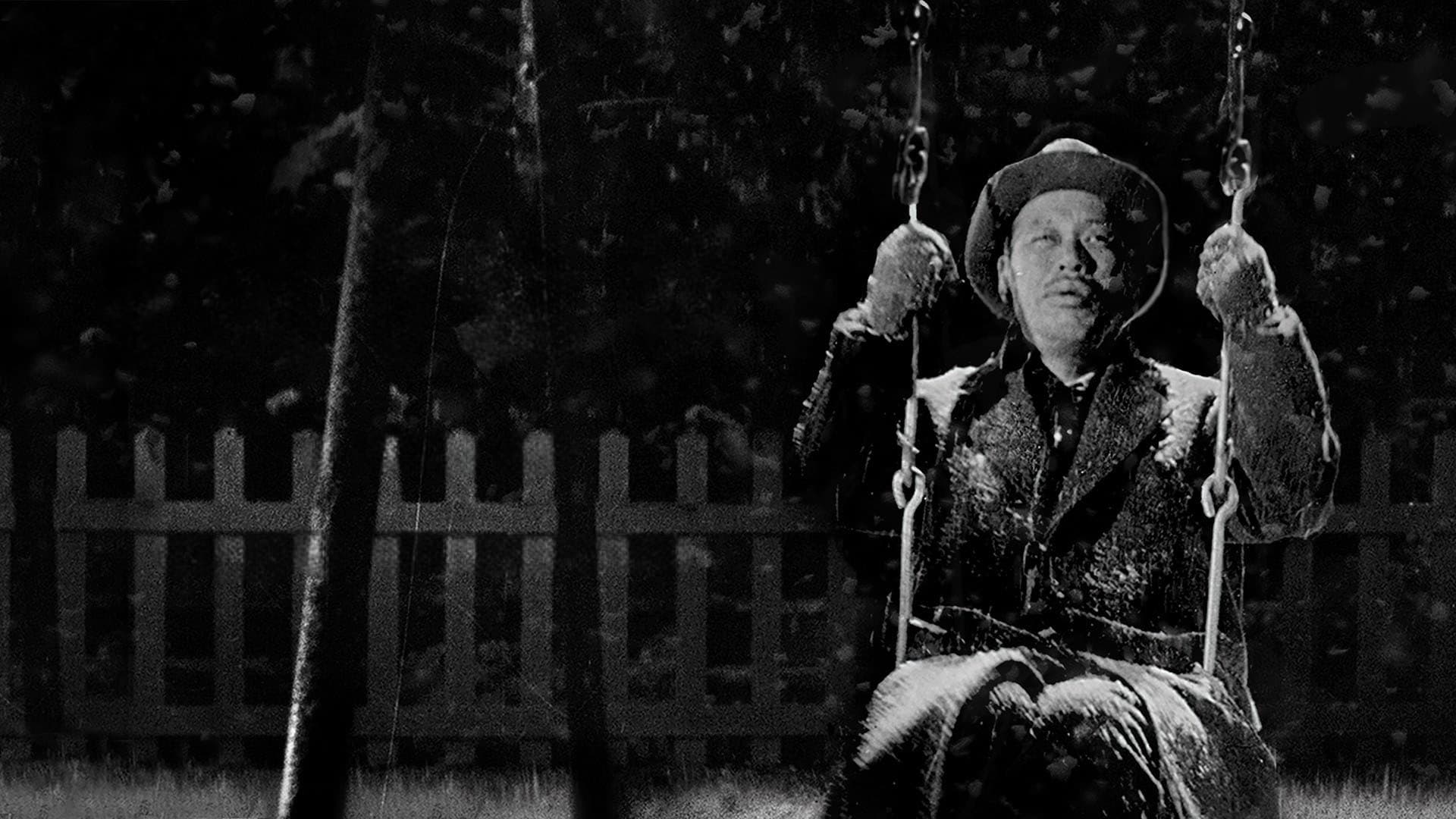
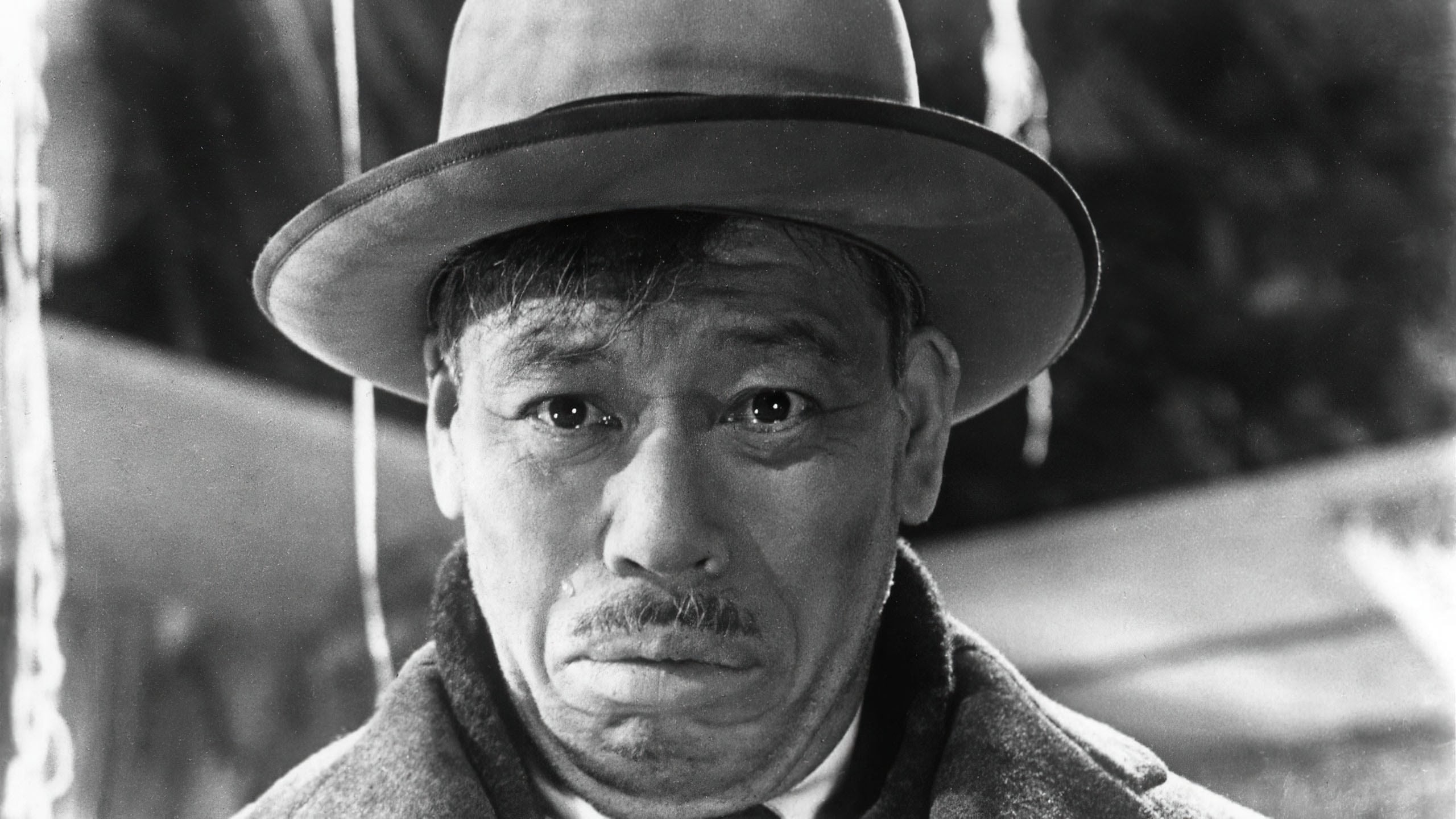
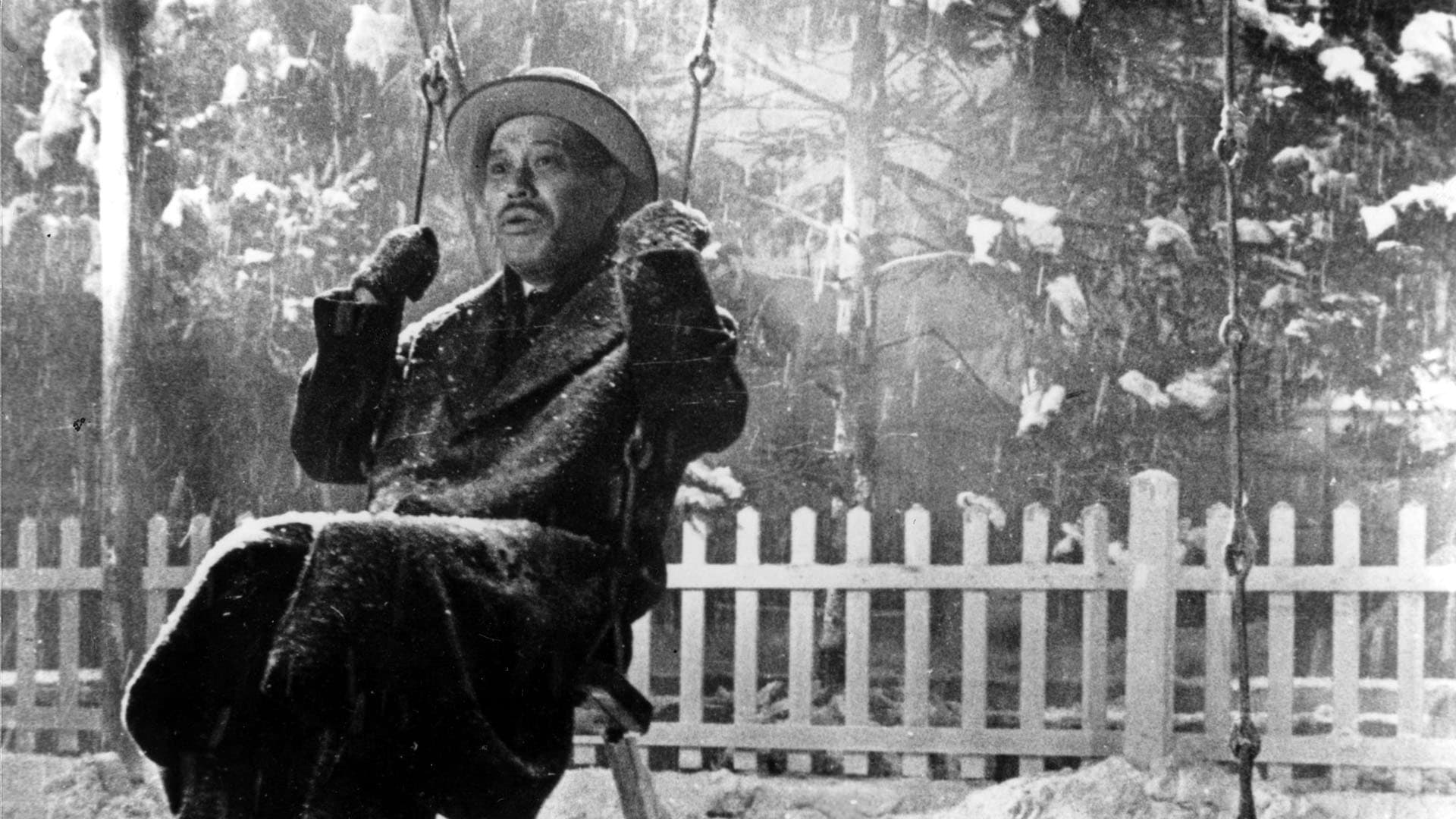
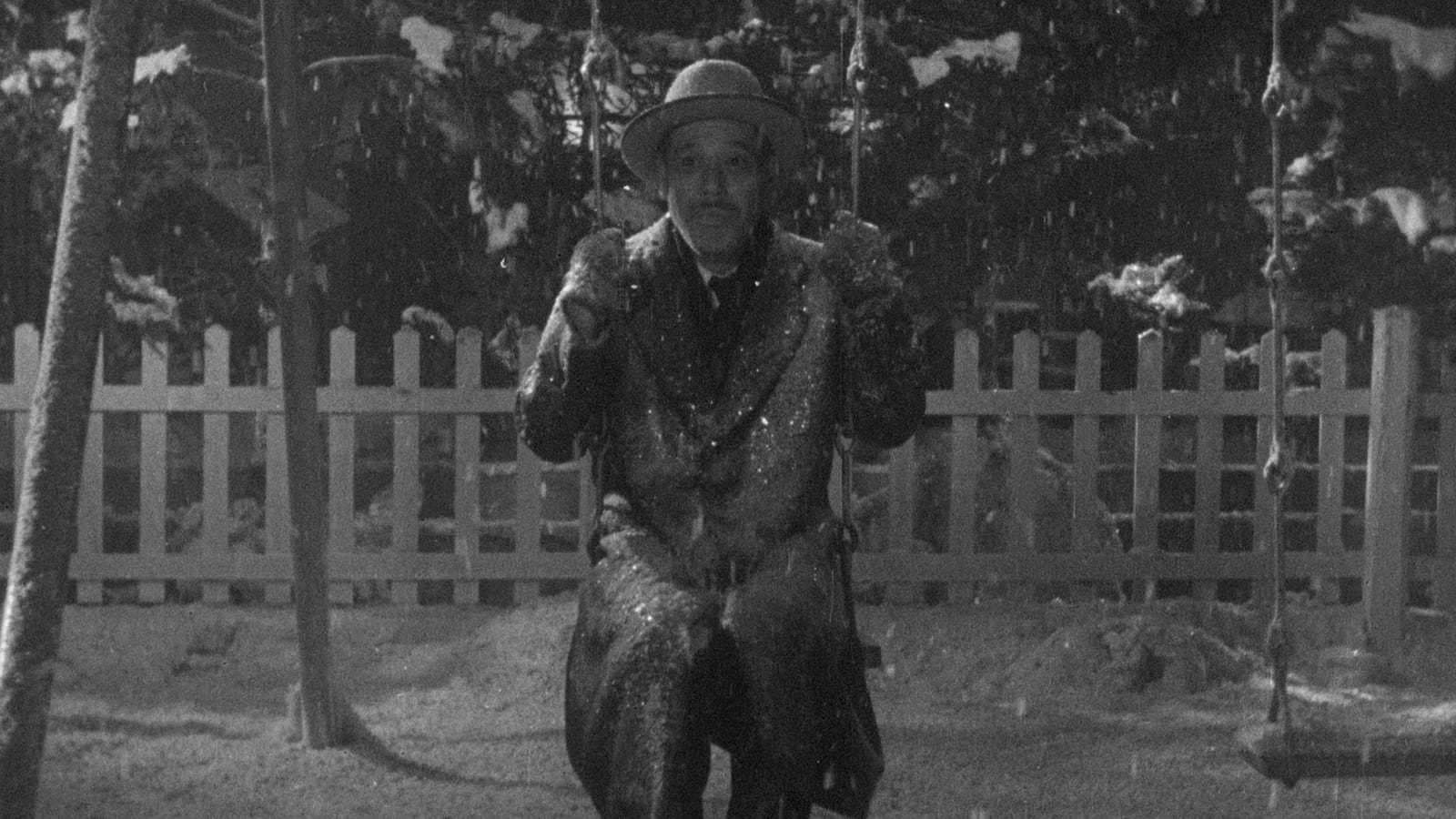
Takashi Shimura’s portrayal of Kanji Watanabe is a masterclass in restrained, deeply internalized acting. Without melodrama or grand gestures, Shimura conveys decades of accumulated regret, the shock of mortality, and the quiet fire of renewed purpose through subtle shifts in posture, expression, and voice. The scene where Watanabe sits alone on a swing in the finished park, singing softly in the falling snow, is one of the most emotionally devastating moments in all of cinema.
Why is the film structured in two halves?
Kurosawa made the radical decision to show Watanabe’s transformation in the first half, then skip to his funeral wake in the second half, where colleagues piece together what he accomplished in his final months. This structure forces the audience to see Watanabe through others’ eyes and raises profound questions about legacy, memory, and whether genuine change can inspire others or is inevitably forgotten.
Is this film really about bureaucracy?
On the surface, yes — Ikiru is a devastating satire of institutional paralysis and the soul-crushing effect of meaningless routine. But at its heart, the film is about something far more universal: the human need for purpose and the transformative power of choosing to act meaningfully in the world. The bureaucracy serves as a metaphor for any system that discourages individual initiative and compassion.
Is this the original film with added color?
Yes, this is the complete, uncut original 1952 film that has been restored and enhanced with professional colorization technology. Every scene, all original dialogue, and Kurosawa’s breathtaking compositions are preserved exactly as intended.
What devices can I watch this on?
You can watch this colorized version on any device that plays MP4 or MKV files, including computers, tablets, smartphones, smart TVs, and media players like Roku or Apple TV.
Is the download DRM-free?
Absolutely. Your purchase is completely DRM-free, meaning you own the file outright with no restrictions on how many times you watch it or on which devices you play it.
How and when will I receive my download?
You will receive your download link instantly on-screen after purchase, and a backup link will also be sent to your email address. No waiting period — you can start watching immediately.
How much does it cost to buy this colorized classic?
The price for this restored and professionally colorized edition is €15.00 — a one-time payment for a permanent, DRM-free download you can watch anytime.
Also available in colour for international viewers. This restored and professionally colorized edition of Ikiru brings Akira Kurosawa’s immortal meditation on life and death to luminous new life for a generation of classic film fans. Watch this landmark classic movie and experience the colorization that reveals every detail of its profoundly human story.