Peter Pan (1924) Colorized 1924


🎥 Check more movies by director Jean Cocteau
⭐ Check more movies starring Enrique Rivero
⭐ Check more movies starring Elizabeth Lee Miller
⭐ Check more movies starring Pauline Carton
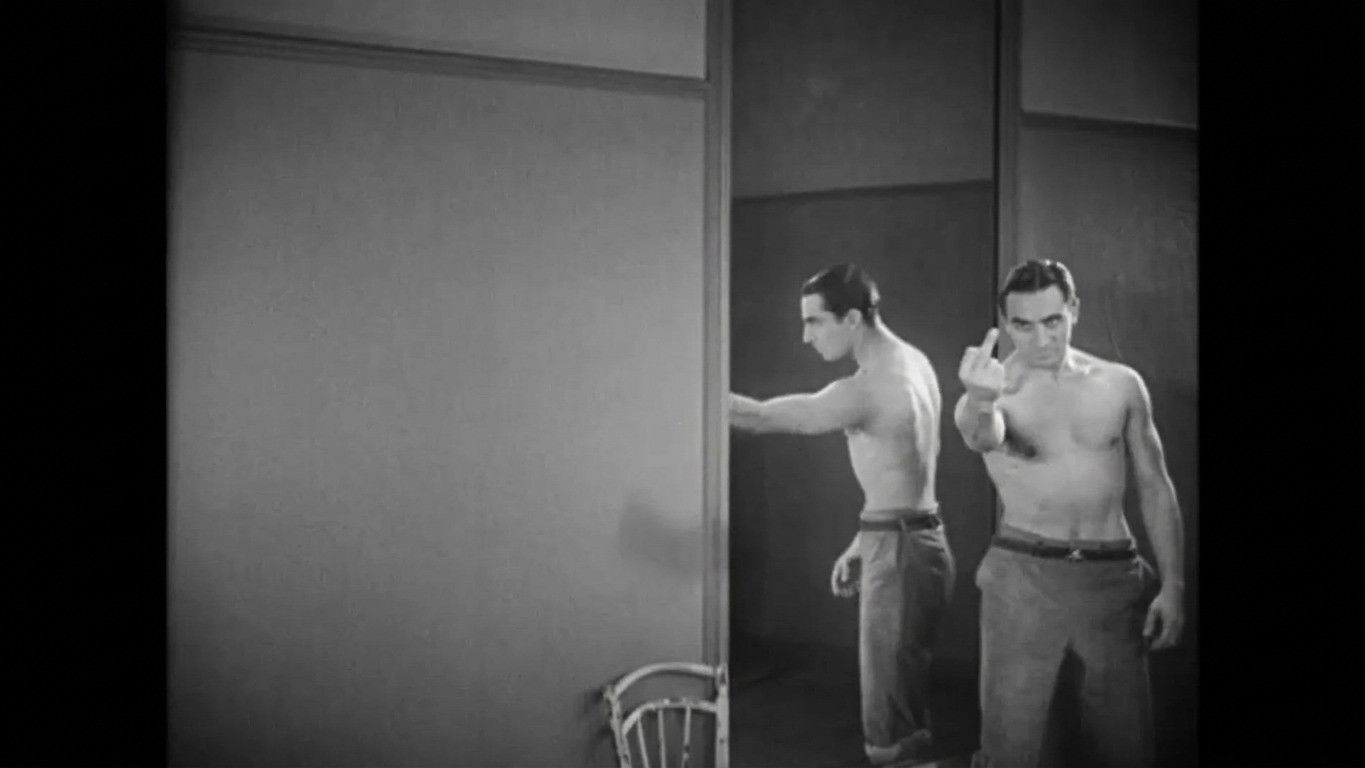
The Blood of a Poet (1932), the fantasy classic starring Enrique Rivero and Elizabeth Lee Miller, was originally released in black and white — no official colour version was ever produced by the studio. What you are looking at is the professionally colorized restoration: every frame recoloured, available as an instant DRM-free HD (720p) download. You can judge it yourself — the colour preview plays on this page before you buy.
The Blood of a Poet (1932) is a French surrealist fantasy directed by Jean Cocteau, originally titled Le Sang d’un poète, and starring Enrique Rivero, Elizabeth Lee Miller, Pauline Carton, Odette Talazac and Jean Desbordes. Across four dreamlike episodes, a young artist passes through a mirror into a hotel of strange lives and returns changed. Pour nos spectateurs francophones : il s’agit de la version colorisée, en couleur, du Sang d’un poète. Cocteau’s first film remains one of the most startling debuts in cinema, a chain of images — a mouth that moves, a statue that speaks, a snowball fight that turns deadly — held together by dream logic rather than plot. Own this classic movie in color as a DRM-free MP4 digital download for just €15.00.
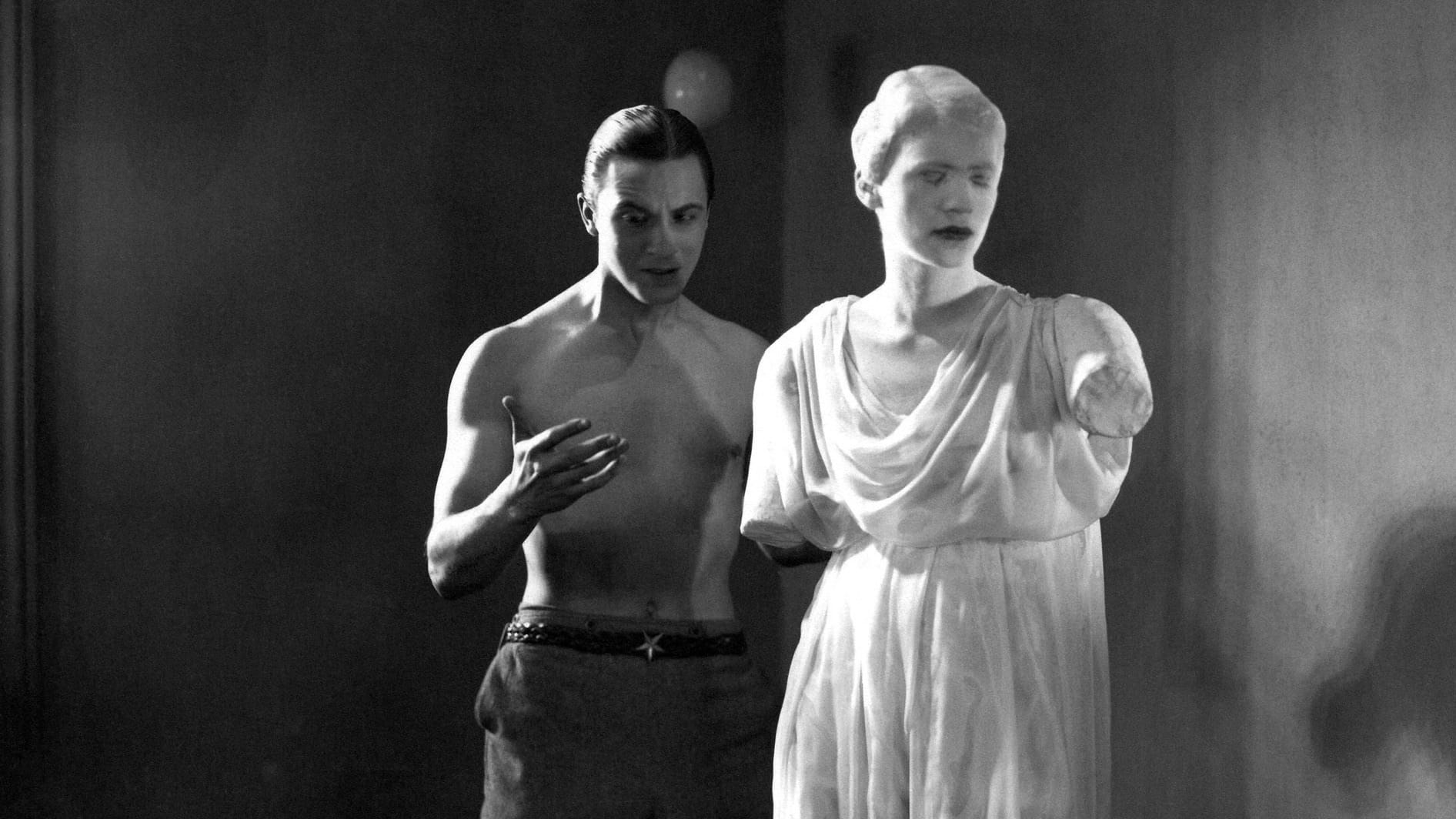
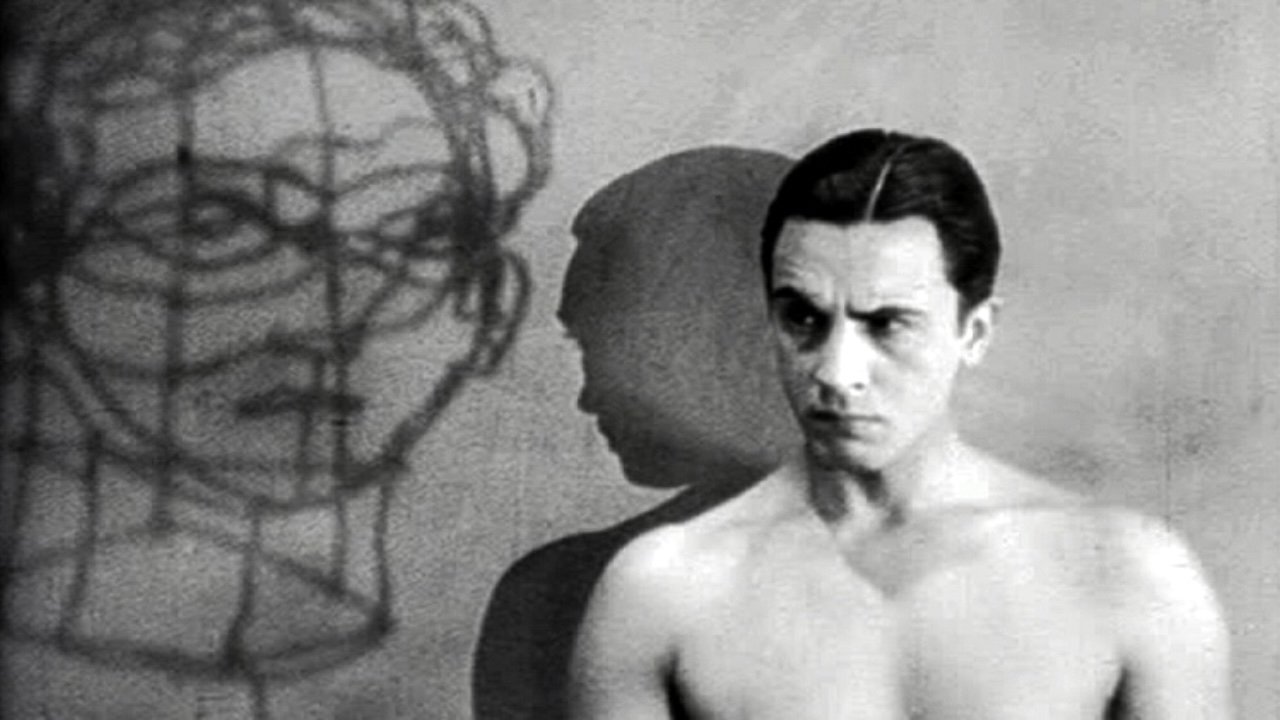
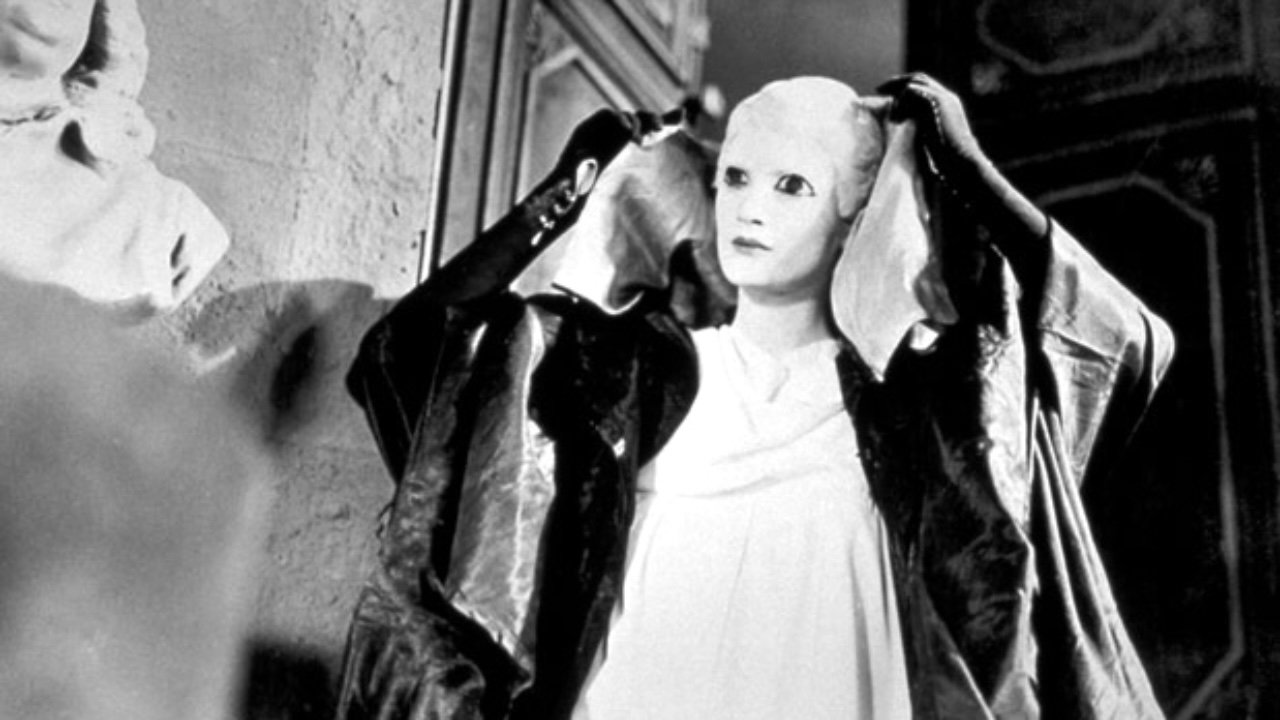
The film unfolds in four parts, opening with a painter at work in his studio. As he sketches, the mouth of his drawing begins to move, and when he tries to wipe it away it transfers to his own hand. He presses the living mouth against a statue in the room; the statue speaks and tells him to walk into the mirror on the wall. He does, and the mirror gives way like water.
He steps through into the Hotel des Folies-Dramatiques, where he moves from room to room as a voyeur. Through one keyhole he watches a Mexican revolutionary being executed against a wall; through another he sees a young opium smoker; elsewhere he observes a family and a strange winged figure. Each door offers a different life, and each is watched from outside, the artist reduced to an eye rather than a body. He is warned that he is being watched in turn.
Expelled from the hotel, he returns to his studio and destroys his own work, smashing the statue that sent him through the mirror. In the street outside, a snowball fight breaks out among schoolboys. One boy is struck and falls dead, and the crowd turns on the poet as the one responsible. He is pursued through the city.
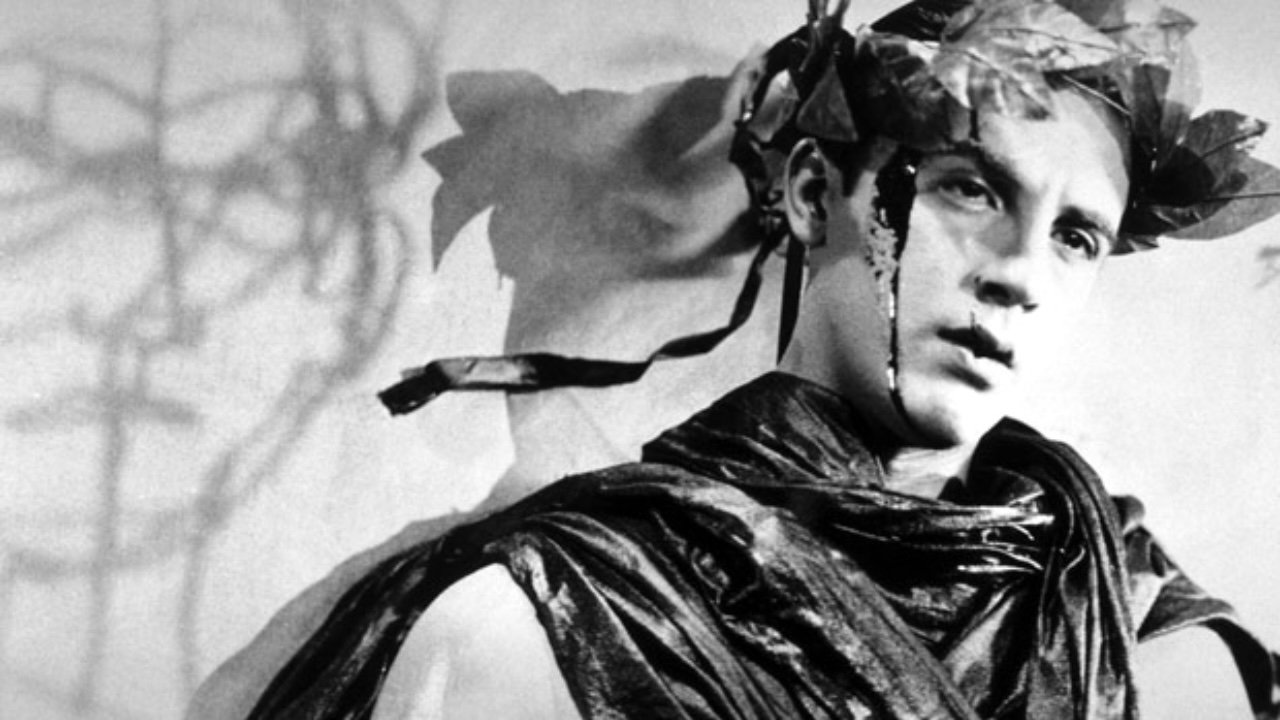
The final episode moves into the realm of myth. A card game is played at a table where the stakes are not money, and a figure — sometimes read as an angel, sometimes as the poet’s double — presides over the scene. The poet is shot, and the film’s imagery turns to the classical: a bull, a lyre, a laurel wreath, the paraphernalia of the artist as martyr.
Throughout, Cocteau refuses conventional narrative. Characters reappear in different guises, and the film’s logic is that of a poem rather than a novel — images rhyme with one another instead of explaining themselves. The mirror, the mouth, the snowball and the card game all belong to the same private vocabulary.
The question the ending answers is not who killed the poet, but what the poet’s death is for — whether the artist’s suffering is a punishment, a price, or the only route to immortality.
Director: Jean Cocteau
Stars: Enrique Rivero, Elizabeth Lee Miller, Pauline Carton, Odette Talazac, Jean Desbordes
Cocteau shot The Blood of a Poet in black and white, and the film’s reputation rests partly on that stark, high-contrast imagery. A professional colourised restoration does not overwrite that legacy — it opens a second way of seeing the film. The studio interiors of the Hotel des Folies-Dramatiques gain depth: wallpaper patterns, doorframes and the texture of the corridors become legible where monochrome flattened them. The statue that speaks acquires a stone warmth, and the opium den’s haze reads as smoke rather than grey fog. Costume details — the cut of the painter’s smock, the revolutionary’s uniform, the schoolboys’ coats in the snowball sequence — sit in period-accurate tones that help modern viewers place the film in 1930s France. Most importantly, colour separates the film’s layers: the studio world, the mirror world and the mythic finale each get their own palette, which makes Cocteau’s structure easier to follow without softening the performances. Rivero’s stillness, Miller’s sculptural presence and Carton’s sharp comic timing all survive the process intact. Buy it at €15.00 and start watching with an instant DRM-free MP4 download.
The Blood of a Poet began as a private project and became one of the founding documents of surrealist cinema. Cocteau financed it partly through patronage and made it at a moment when the movement’s writers and painters were arguing about what film could do that painting and poetry could not. Its premiere in 1932 provoked a famously hostile response, and the film was banned for a period before finding its audience. Over the following decades it was absorbed into the canon, and Cocteau himself returned to its imagery again and again in his later work.
Its cast is as unusual as the film. Elizabeth Lee Miller was an American photographer and model who had worked with Man Ray before appearing here; Pauline Carton was a stage and screen comic actress with a long career ahead of her; Enrique Rivero, in the central role, was a Mexican actor whose screen career was brief. The film also features the performer Barbette, the Harlem dancer Féral Benga, and Cocteau himself in a small role — a cast assembled as much from the worlds of photography, cabaret and the avant-garde as from cinema.
The Blood of a Poet still matters because it established a mode of filmmaking that trusts image over explanation, and it remains the clearest introduction to Cocteau’s imagination before his later features. Colorization brings it to new audiences who might otherwise pass over a ninety-year-old black-and-white experimental film, and gives returning viewers a fresh reason to look again.
Q: Was The Blood of a Poet originally released in colour?
A: No. The Blood of a Poet was shot in black and white and released that way in 1932. This page offers a later professional colorized restoration, not a studio colour release, so the original monochrome version remains the film’s original form.
Q: Who plays the poet, and who is the statue that speaks to him?
A: The poet is played by Enrique Rivero, and the statue in his studio is played by Elizabeth Lee Miller, the American photographer and model. Miller’s statue is the figure that orders him to walk into the mirror, setting the film’s central journey in motion.
Q: Is the film one continuous story or several episodes?
A: It is built as four episodes rather than a single continuous narrative. The painter and the mirror, the Hotel des Folies-Dramatiques, the snowball fight, and the final card game and shooting are linked by recurring images rather than by conventional plot, which is why the film is usually described as surrealist.
Q: What format is the download?
A: The film is delivered as MP4 and MKV files that play on virtually any device.
Q: Is there DRM on the file?
A: No. The download is completely DRM-free so you can watch it on any device without restrictions.
Q: How quickly can I watch after purchase?
A: Your download link is available instantly after payment, so you can start watching within minutes.