The Wayward Bus (1957) Colorized 1957


🎥 Check more movies by director Maxwell Shane
⭐ Check more movies starring Vittorio Gassman
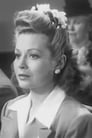
⭐ Check more movies starring Gloria Grahame
⭐ Check more movies starring Ann Robinson
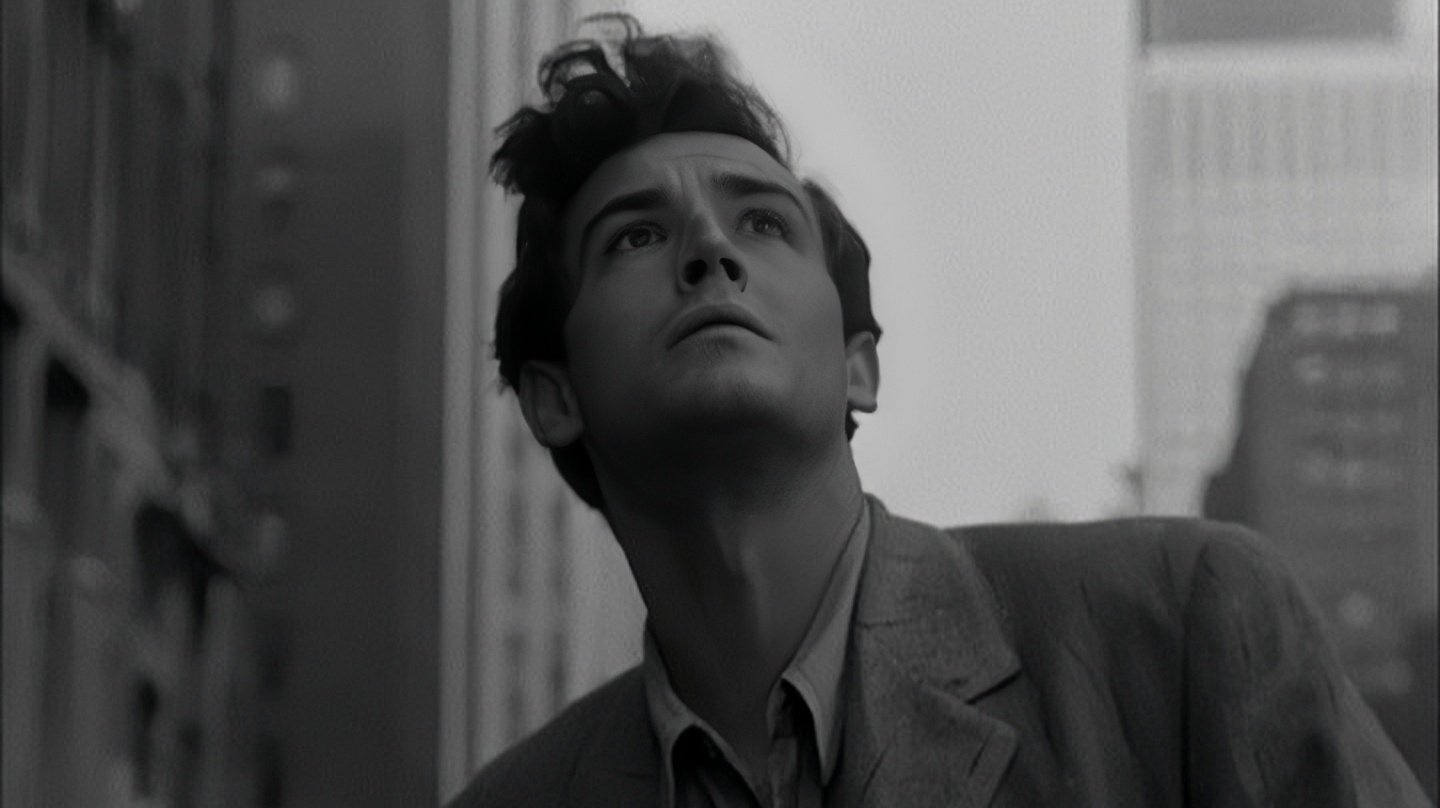
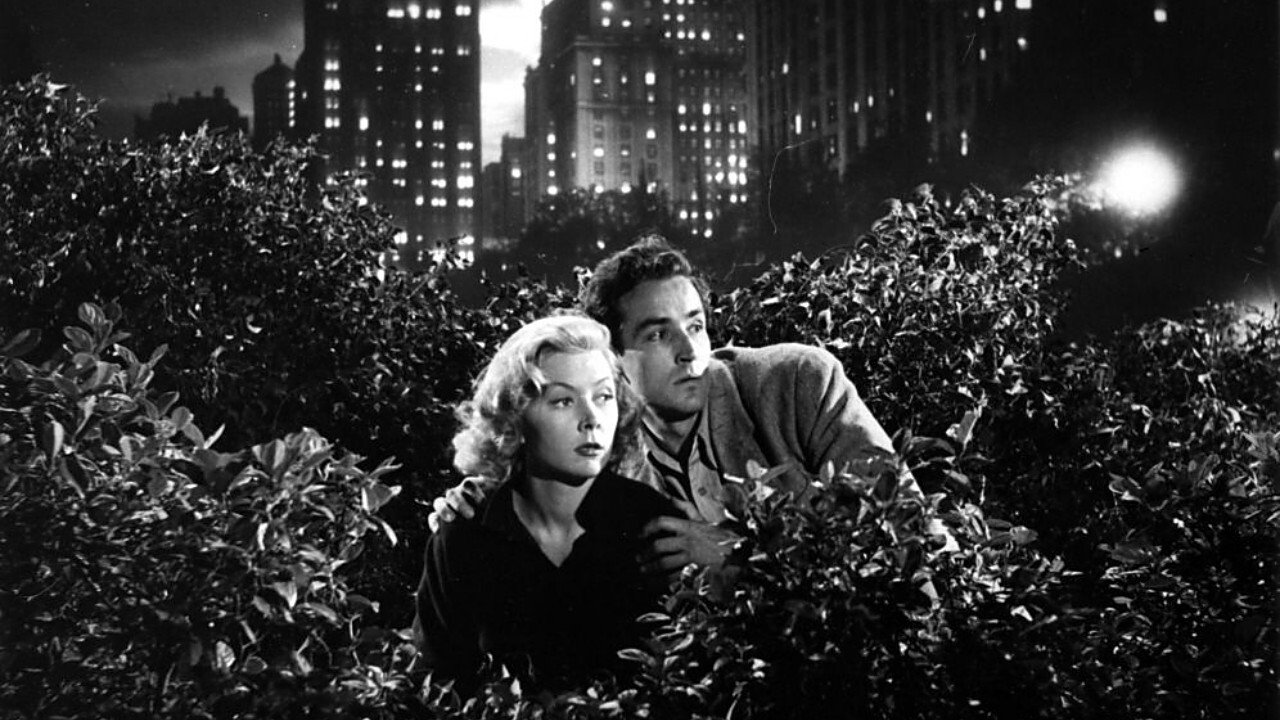
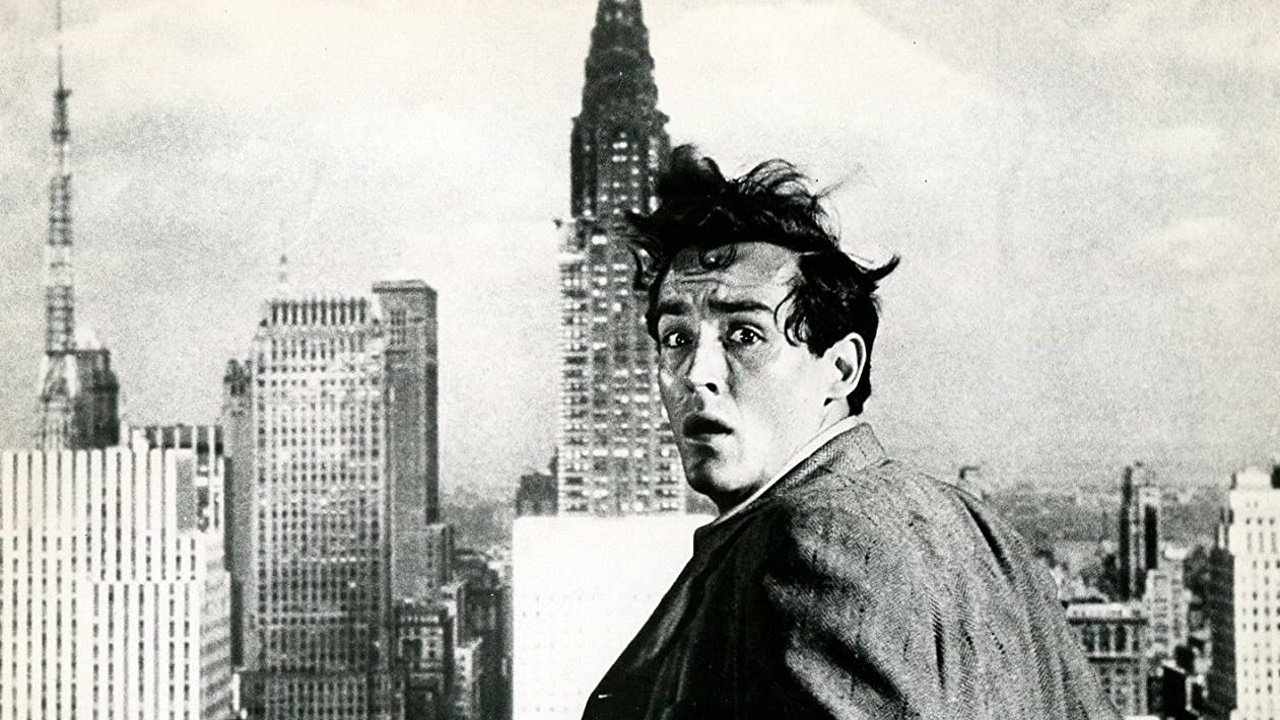
The Glass Wall (1953), the drama classic starring Vittorio Gassman and Gloria Grahame, was originally released in black and white — no official colour version was ever produced by the studio. What you are looking at is the professionally colorized restoration: every frame recoloured, available as an instant DRM-free HD (720p) download. You can judge it yourself — the colour preview plays on this page before you buy.
Discover The Glass Wall, the 1953 American drama film noir directed by Maxwell Shane and starring Vittorio Gassman and Gloria Grahame, now available as a professionally colorized version. Peter Kuban is a Hungarian displaced person and survivor of World War II Nazi concentration camps. He stows away in Trieste on a ship bound for New York City. However, he is spotted by ship officials and held for American authorities. When the ship arrives in New York, he claims that he qualifies for entry under an exception for those who helped Allied soldiers during the war, but all he knows about the paratrooper he hid from the enemy is that his name is Tom, that he plays the clarinet in a jazz band in Times Square and that before they parted company in Europe, he gave him his military wristwatch which Peter now wears on his wrist. The immigration authorities, led by Inspector Bailey, say that without better documentation he must be sent back to communist Hungary on the same ship, which departs the next morning. Kuban escapes by leaping off the ship to the dock below, but breaks some ribs, then begins his search for Tom. This film noir combines wartime trauma with contemporary social commentary as a Holocaust survivor fights for freedom and recognition in post-war America. Own this classic movie in color as a DRM-free MP4 digital download for just €15.00.
Peter Kuban is a Hungarian displaced person and survivor of World War II Nazi concentration camps. He stows away in Trieste on a ship bound for New York City. However, he is spotted by ship officials and held for American authorities. When the ship arrives in New York, he claims that he qualifies for entry under an exception for those who helped Allied soldiers during the war, but all he knows about the paratrooper he hid from the enemy is that his name is Tom, that he plays the clarinet in a jazz band in Times Square and that before they parted company in Europe, he gave him his military wristwatch which Peter now wears on his wrist. The immigration authorities, led by Inspector Bailey, say that without better documentation he must be sent back to communist Hungary on the same ship, which departs the next morning.
Kuban escapes by leaping off the ship to the dock below, but breaks some ribs, then begins his search for Tom. Peter’s picture and a caption of him being wanted is plastered over the front page of the city’s tabloids.
He encounters unemployed factory worker Maggie Summers in a restaurant. When she steals a coat off a rack she is spotted and flees. Peter follows after her and helps her elude the police. They go to her apartment, where she tends his injury as best she can. When her landlady, Mrs. Hinckley, threatens to evict her for being behind on her rent, Peter gives Maggie all the money he has. Eddie, the landlady’s bullying son, barges in and sexually harasses Maggie. Peter bursts out of hiding and starts fighting him, but gets pummeled. Maggie knocks Eddie out with a chair and flees with Peter.
The Hinckleys notify the police, claiming Peter was the attacker. He is subsequently pursued by the authorities for aggravated assault, described as dangerous and possibly armed. Meanwhile, Tom discovers Peter’s picture on a discarded newspaper. He wants to go to the immigration department, but his girlfriend Nancy persuades him to attend an important audition instead. Tom impresses band leader Jack Teagarden, but leaves abruptly to try to help Peter.
The fleeing couple attempt to hide out in the subway, but are recognized. The police grab Maggie, but Peter gets away. While being questioned by authorities, she meets up with Tom. After hearing his story, Inspector Bailey believes Peter’s story, but only if they can reach him before the ship departs at 7 am. After that, by law, Peter will be guilty of a felony for jumping ship, deported, and forever ineligible to be admitted to the United States. The trio drive around searching for him.
Suffering from his injuries, Peter slips into an unoccupied taxi and collapses. When burlesque dancer Tanya gets into it after work, she recognizes him from the newspaper photo. She takes him to her apartment for rest and a meal. Her real name is actually Bella Zakoyla, and she is a fellow “Hunky.” Her immigrant mother approves, but her criminal brother fears police becoming involved, saying that Peter’s plight is the responsibility of the United Nations. Their loud argument rouses him from sleep in the next room. He slips away, leaving a note apologizing to Tanya for causing her so much trouble.
Acting on Freddie’s assertion, Peter heads toward the United Nations building early in the morning. He is recognized on the way and the police are put on his trail. Maggie, Tom, Bailey, and two officers pursue Peter through the halls of the U.N. Unable to find anyone to help him, he delivers a soliloquy to an empty meeting room of the U.N. Human Rights Commission, with places marked for representatives of the U.N.’s member states. He calls for recognition that peace and freedom for the world require peace and freedom for every individual. After more flight Peter panics, heads to the roof, and ascends a parapet wall to jump. Maggie and Tom reach him and the sound of Tom’s voice causes Peter to collapse backwards onto the roof. All reassure Peter that he is now safe.
Peter Kuban’s journey represents the desperate struggle of displaced persons in the immediate aftermath of World War II. As a survivor of Nazi concentration camps, his desire to reach America is not merely about economic opportunity but about finding a place where he can rebuild a life shattered by persecution and genocide. His possession of Tom’s wristwatch serves as both proof of his wartime heroism and a symbolic link to the man who can validate his story and save him from deportation.
The film’s title refers to the glass wall of the United Nations headquarters in New York, a symbol of the new international order emerging from the ashes of World War II. Peter’s flight toward the United Nations building in the film’s climax represents his appeal to the highest ideals of the post-war world—the principles of human rights, international cooperation, and the protection of the individual against the arbitrary power of states. His soliloquy to the empty Human Rights Commission chamber, with places marked for representatives of member states, underscores the gap between these ideals and the reality faced by individuals like Peter who fall through the cracks of bureaucratic systems.
The relationship that develops between Peter and Maggie Summers represents the solidarity of the marginalized. Both are outsiders in their own ways—Peter as a stateless refugee, Maggie as an unemployed factory worker struggling to make ends meet. Their connection forms through mutual assistance: Peter helps Maggie escape the police after she steals a coat, and Maggie tends to his injuries and shares what little she has with him. This relationship demonstrates how ordinary people can find common cause across cultural and national boundaries when faced with systemic injustice.
Tom’s role as the paratrooper Peter saved during the war represents the moral obligation that exists between those who have helped each other in times of crisis. Tom’s willingness to abandon his career opportunity to help Peter, despite having no memory of their wartime encounter, speaks to the enduring power of human connection and gratitude. The fact that Tom plays jazz clarinet in Times Square adds a layer of cultural authenticity to the story, connecting the film to the vibrant musical culture of post-war New York.
The film’s climax at the United Nations building brings together the personal and political threads of the story. Peter’s desperate appeal to the empty Human Rights Commission chamber represents the ultimate futility of appealing to institutions when those institutions cannot respond to individual human suffering in time. His attempted suicide from the rooftop represents the ultimate despair of a man who has survived concentration camps only to face bureaucratic indifference in the land of freedom. Tom’s intervention at this critical moment, calling out to Peter and causing him to collapse backward rather than forward, symbolizes the power of human connection to save life when institutional systems fail.
Director: Maxwell Shane
Stars: Vittorio Gassman, Gloria Grahame
The Glass Wall was originally filmed in black and white, with cinematography that captured the gritty realism of New York City streets and the symbolic architecture of the United Nations building. This professionally colorized restoration enhances every scene with frame-by-frame precision, from the bustling docks where Peter arrives to the dramatic rooftop climax at the United Nations. The colorized version reveals new visual richness in the film’s settings, where the period-accurate 1950s New York locations, immigration facilities, and the iconic glass wall of the United Nations headquarters gain authenticity that transports viewers to post-war America. Vittorio Gassman’s powerful performance as Peter Kuban gains additional dimension in color, his portrayal of the desperate refugee conveying both the trauma of his concentration camp experience and the fierce determination to survive and find freedom. Gloria Grahame’s nuanced performance as Maggie Summers benefits from colorization that highlights her character’s journey from cynical survival to genuine compassion. The film’s location shooting in New York City, including actual scenes at the United Nations building on First Avenue at 42nd Street, becomes even more vivid in color, allowing viewers to better appreciate the authentic urban landscape that forms the backdrop for this noir drama. Now also available in colour.
Buy The Glass Wall in color today for just €15.00. Your DRM-free MP4 download is available for instant access.
Released in 1953, The Glass Wall represents a significant example of post-war American cinema that addressed the pressing social issues of displaced persons, immigration, and the legacy of World War II. Directed by Maxwell Shane, who would later direct Nightmare (1956), the film combines the visual style of film noir with socially conscious subject matter, creating a unique blend of entertainment and political commentary. The film’s title refers to the glass wall of the United Nations headquarters in New York, a powerful symbol of the new international order that emerged from World War II and the hope it represented for a more just world order.
The film’s protagonist, Peter Kuban, represents the millions of displaced persons and Holocaust survivors who found themselves stateless and homeless in the aftermath of World War II. The story of a concentration camp survivor struggling to gain entry to the United States reflects the real-life challenges faced by refugees during this period. The film’s sympathetic portrayal of Peter’s plight, and its criticism of bureaucratic indifference to individual suffering, represented a progressive stance on immigration issues at a time when many Americans were ambivalent about accepting refugees.
The decision to shoot on location in New York City, including at the newly completed United Nations building, adds significant historical authenticity to the film. The United Nations headquarters, completed in 1952, represented the optimism of the post-war era and the belief that international cooperation could prevent future conflicts. Peter’s flight toward this building in the film’s climax symbolizes the appeal to these highest ideals when all other options have failed. The glass wall of the title serves as both a literal architectural feature and a metaphor for the barrier between the individual and the institutions that should protect them.
The film’s international recognition, including sharing the Golden Leopard at the 1953 Locarno International Film Festival with Julius Caesar and The Composer Glinka, demonstrates that its themes resonated beyond American borders. The story of a Hungarian refugee seeking justice and recognition spoke to European audiences who had experienced the war’s devastation firsthand and were grappling with their own refugee crises in the post-war period.
Vittorio Gassman’s performance as Peter Kuban represents an interesting intersection of European and American cinema. An Italian actor who would later become one of his country’s most celebrated performers, Gassman brought authenticity to the role of a Hungarian refugee, his own experience of European wartime experience informing his portrayal of trauma and desperation. His casting alongside American star Gloria Grahame reflects the increasingly international nature of post-war film production and the growing exchange between European and American cinema.
The film’s exploration of themes like human rights, individual dignity, and the responsibility of international organizations to protect vulnerable individuals remains strikingly relevant decades after its release. The glass wall of the United Nations continues to symbolize both the promise and limitations of international cooperation in addressing human suffering. Through modern colorization, this socially conscious noir reaches new audiences who can appreciate Vittorio Gassman’s performance, its New York location shooting, and its place in the history of American cinema’s engagement with post-war social issues. Now also available en couleur.
Q: Who stars in The Glass Wall?
A: Vittorio Gassman and Gloria Grahame star, with the film featuring location shooting in New York City including at the United Nations building.
Q: What does the title “The Glass Wall” refer to?
A: The title refers to the glass wall of the United Nations headquarters in New York City, which serves as both a literal location and a symbol of international cooperation and human rights.
Q: What is the plot of The Glass Wall?
A: A Hungarian Holocaust survivor stows away to America, escapes deportation, and searches for the American paratrooper he saved during the war while being pursued by authorities.
Q: What format is the download?
A: The film is delivered as MP4 and MKV files that play on virtually any device.
Q: Is there DRM on the file?
A: No. The download is completely DRM-free so you can watch it on any device without restrictions.
Q: How quickly can I watch after purchase?
A: Your download link is available instantly after payment, so you can start watching within minutes.