Penthouse (1933) Colorized 1933


🎥 Check more movies by director Mike Nichols
⭐ Check more movies starring Elizabeth Taylor
⭐ Check more movies starring Richard Burton
⭐ Check more movies starring George Segal
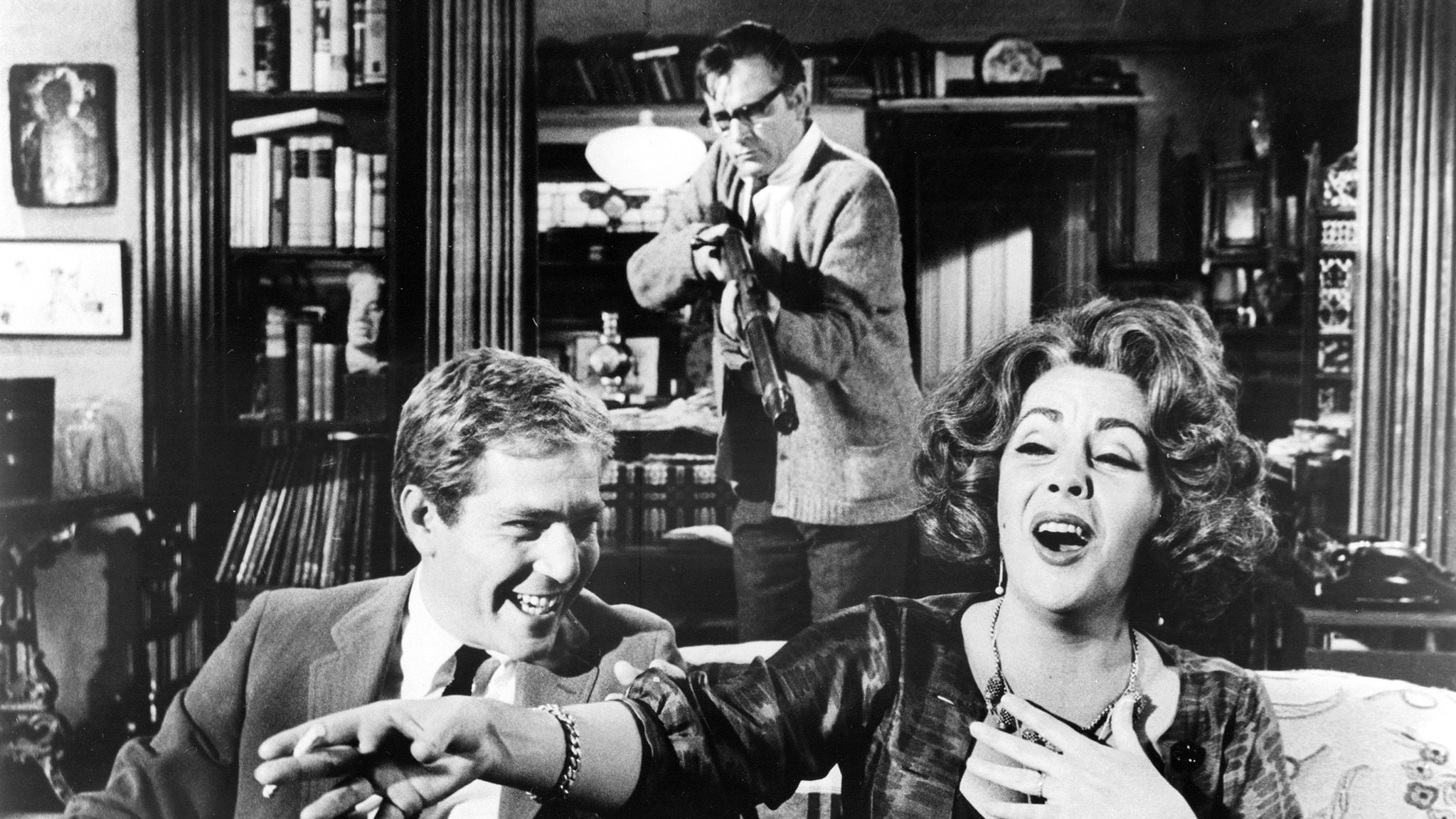
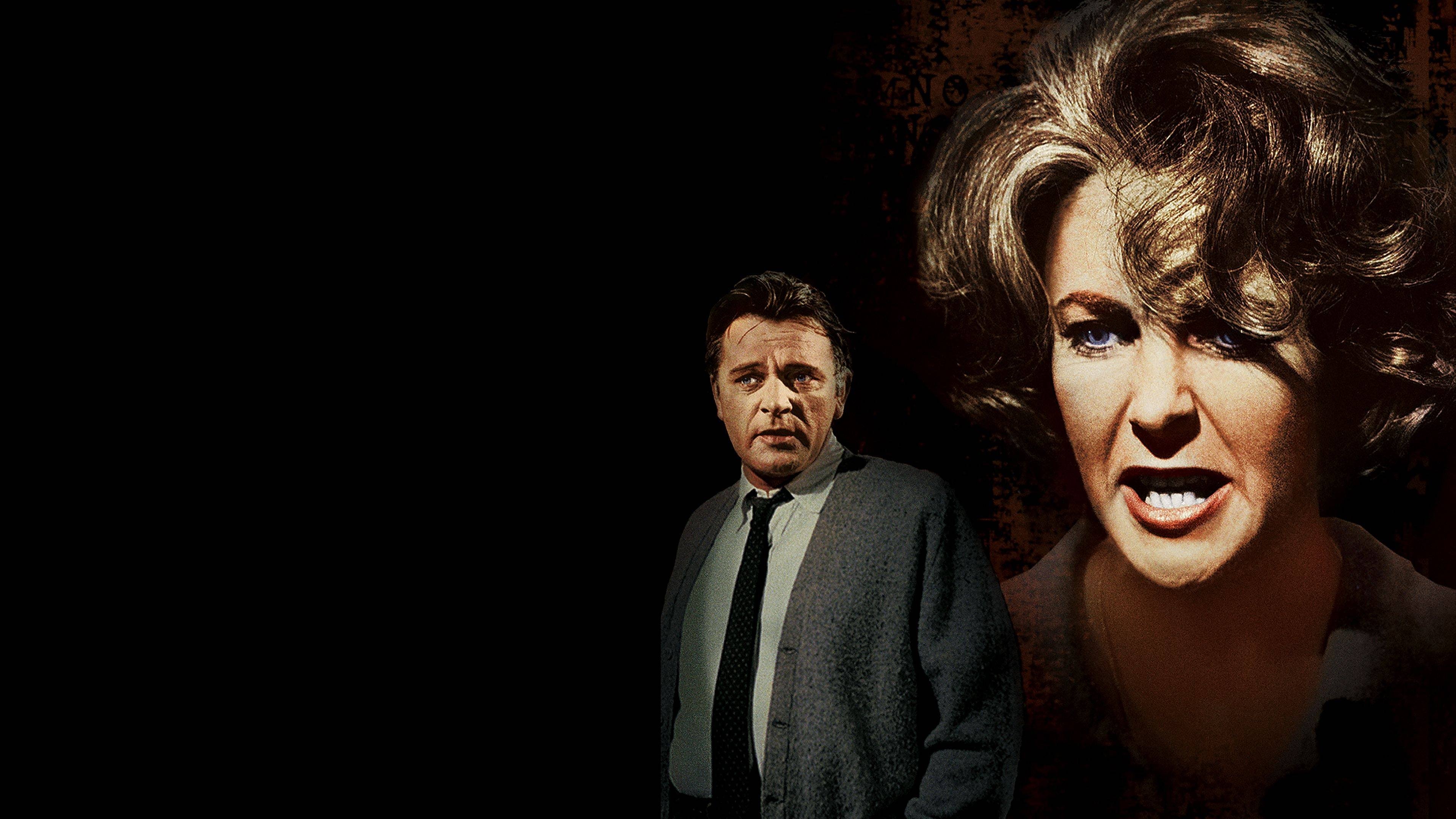
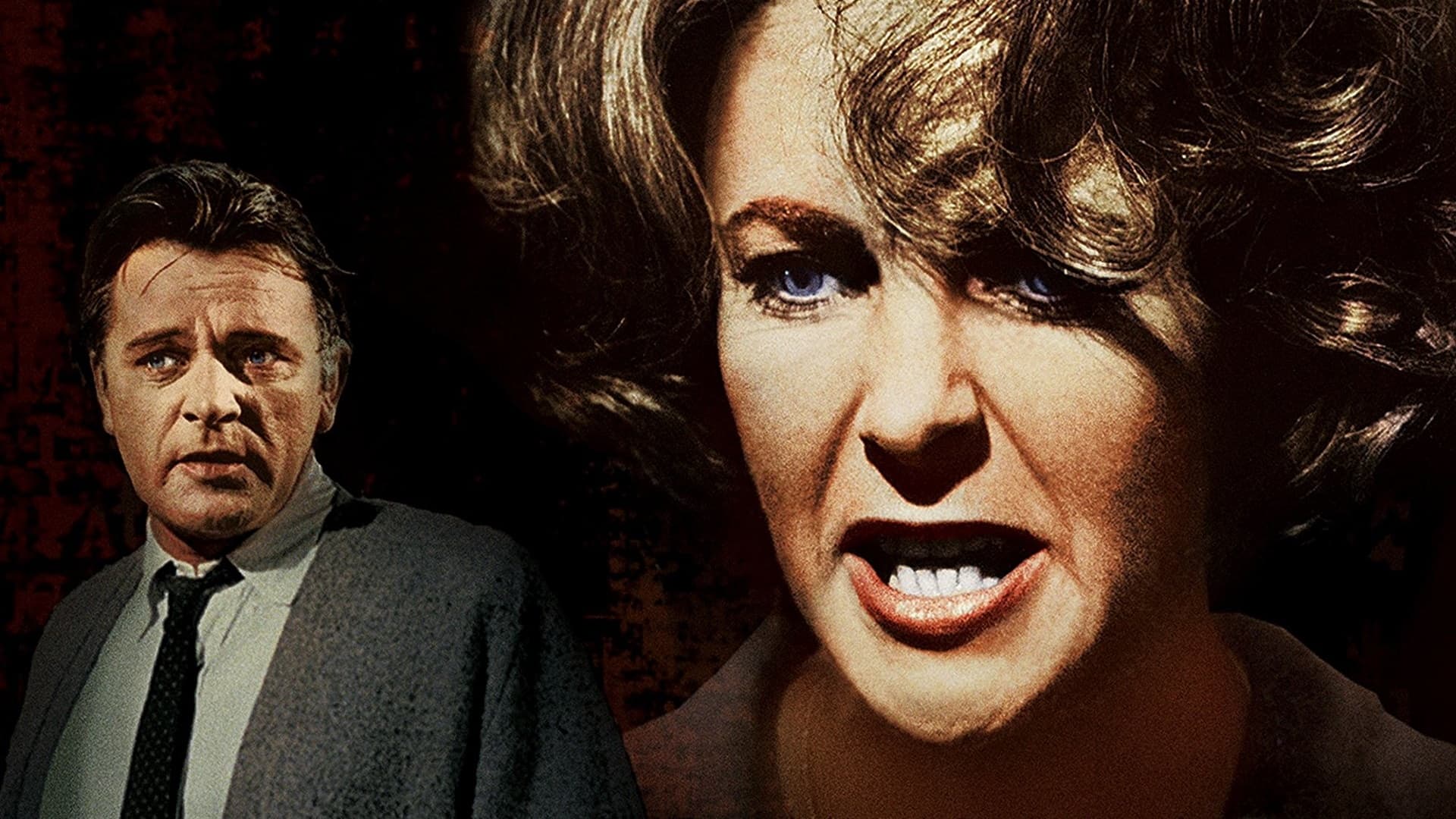
Who’s Afraid of Virginia Woolf? (1966), the drama classic starring Elizabeth Taylor and Richard Burton, was originally released in black and white — no official colour version was ever produced by the studio. What you are looking at is the professionally colorized restoration: every frame recoloured, available as an instant DRM-free HD (720p) download. You can judge it yourself — the colour preview plays on this page before you buy.
Discover Who’s Afraid of Virginia Woolf?, the 1966 drama directed by Mike Nichols in his remarkable film debut, now available as a professionally colorized version. Starring Elizabeth Taylor and Richard Burton in career-defining performances, this searing adaptation of Edward Albee’s landmark play unfolds over one alcohol-fuelled night as a middle-aged academic couple invites a younger couple into their home — and into the most vicious, revelatory, and ultimately heartbreaking evening of their lives. Winner of five Academy Awards including Best Actress for Taylor, this is one of the most powerful and uncompromising films in cinema history. The film’s unflinching depiction of marital conflict directly challenged the Production Code and helped create the modern MPAA rating system. Own this classic movie in color as a DRM-free MP4 digital download for just €15.00.
It is two o’clock in the morning on the campus of a small New England university. George, an associate history professor approaching fifty, and his wife Martha, the brassy, sharp-tongued daughter of the university president, return home from a faculty party. Martha has had too much to drink and announces that she has invited a young couple over for a nightcap — Nick, a new biology professor, and his wife Honey. What follows is a long night of psychological warfare conducted with devastating precision.
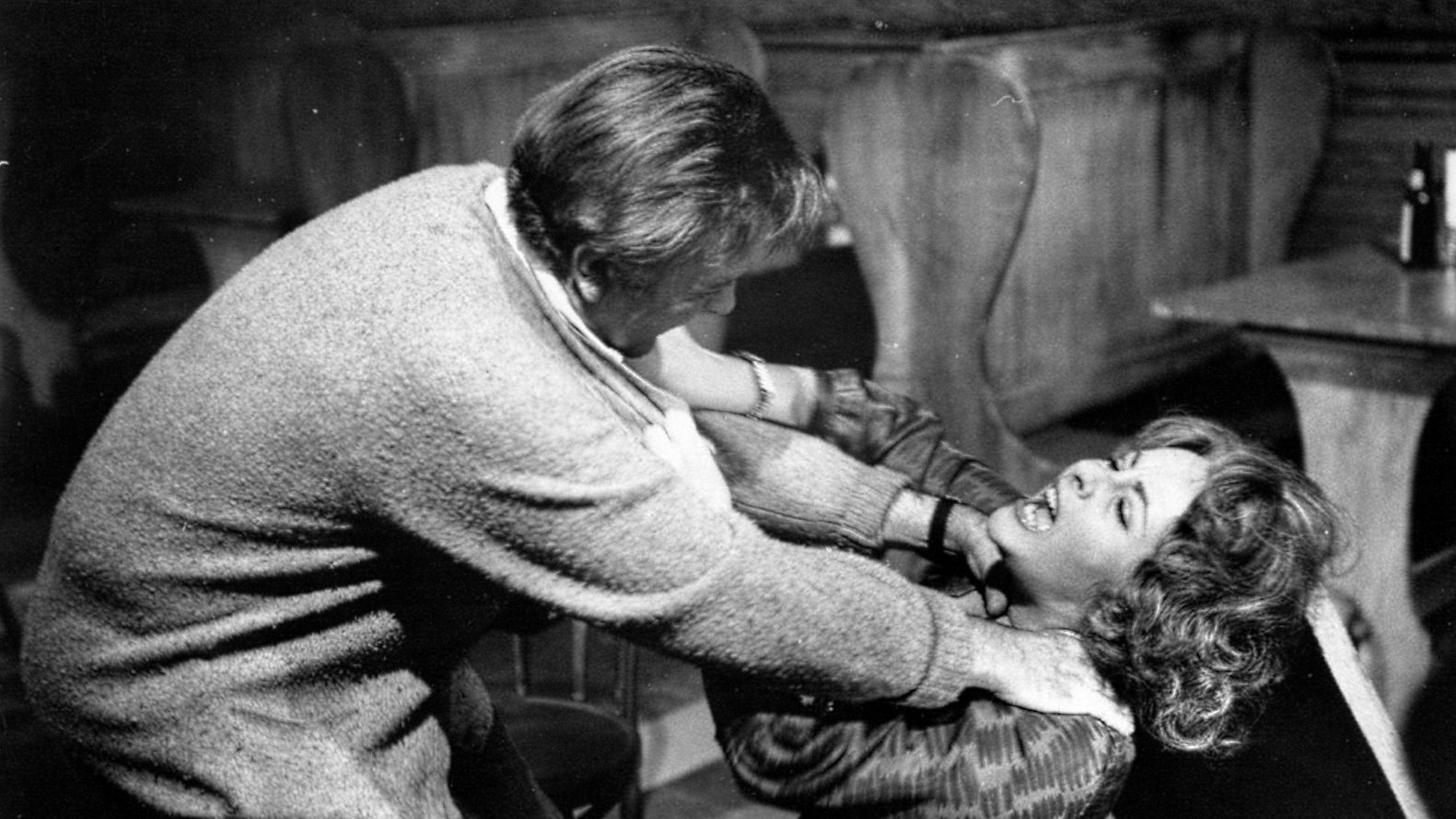
George and Martha use the bewildered young couple as audience and weapons in their ongoing marital battle, a conflict that has been waged for years and has developed its own elaborate rituals and coded language. The evening unfolds in three acts — “Fun and Games,” “Walpurgisnacht,” and “The Exorcism” — each escalating in emotional intensity and violence. Martha deliberately flirts with Nick to provoke George’s jealousy. George retaliates with humiliating stories designed to expose Martha’s vulnerabilities. As the liquor flows and inhibitions dissolve, secrets emerge about both couples.
Nick and Honey’s marriage is revealed to be built on deception — they married because Honey had a hysterical pregnancy, and Nick is attracted to her family’s money. But the deepest secret belongs to George and Martha: they have created an elaborate shared fantasy about a son who does not exist. This imaginary son has been their private creation for years, a fiction that has sustained their marriage through disappointment and bitterness. When George decides to destroy this illusion during the final act of the evening — announcing that their son has been killed in a car accident — he is performing a radical act of emotional surgery, cutting away the fantasy that has both connected and imprisoned them.
The question that remains as dawn breaks is whether George and Martha, stripped of their illusions and their games, can face each other — and themselves — with nothing left to hide behind. The film ends with the couple exhausted, their defenses shattered, facing the reality of their marriage without the protective fiction that has sustained them for years. The final image is one of profound ambiguity — are they destroyed by the truth, or has the destruction of their fantasy made it possible for them to finally be honest with each other?
Director: Mike Nichols
Stars: Elizabeth Taylor, Richard Burton, George Segal, Sandy Dennis
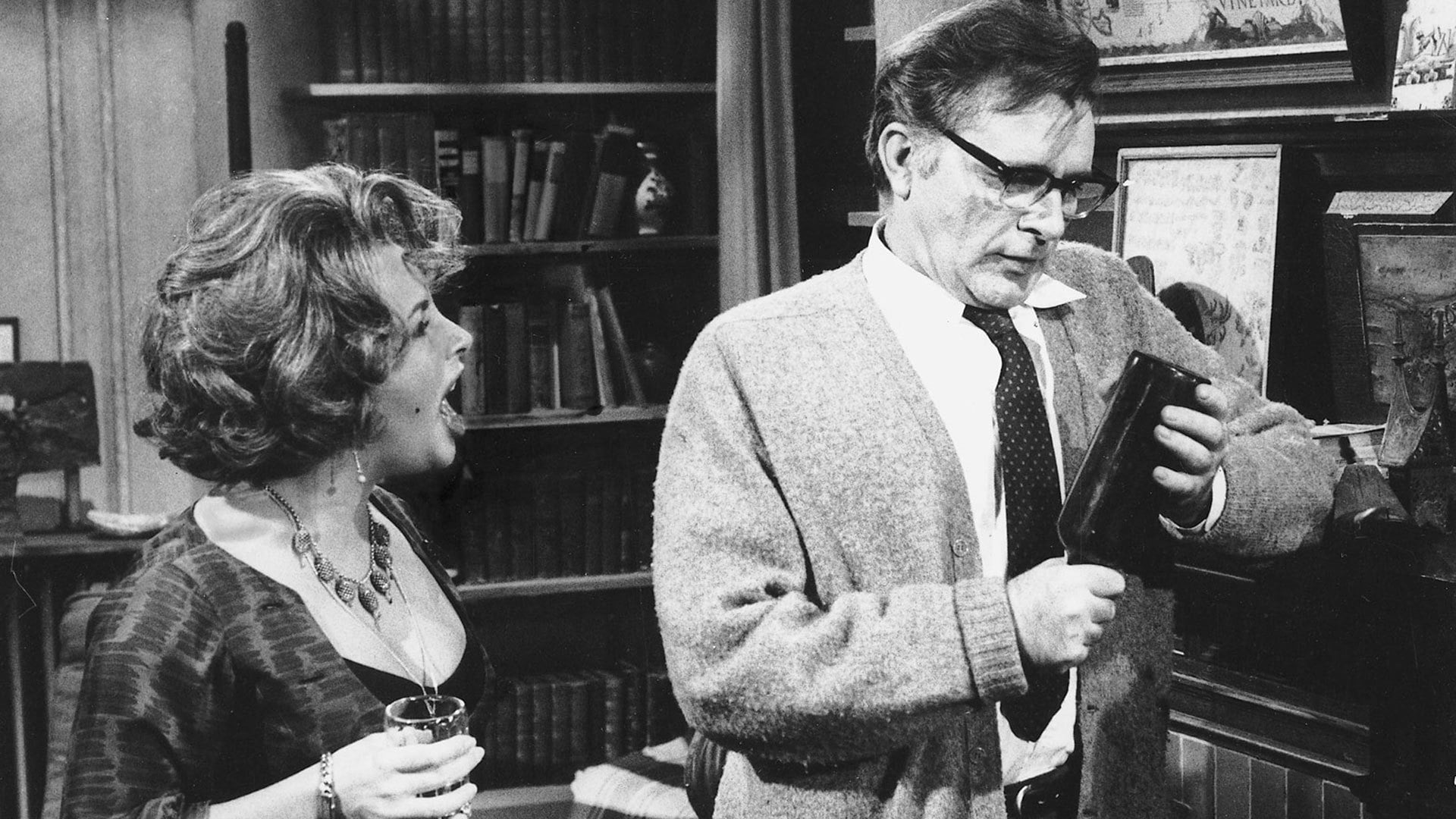
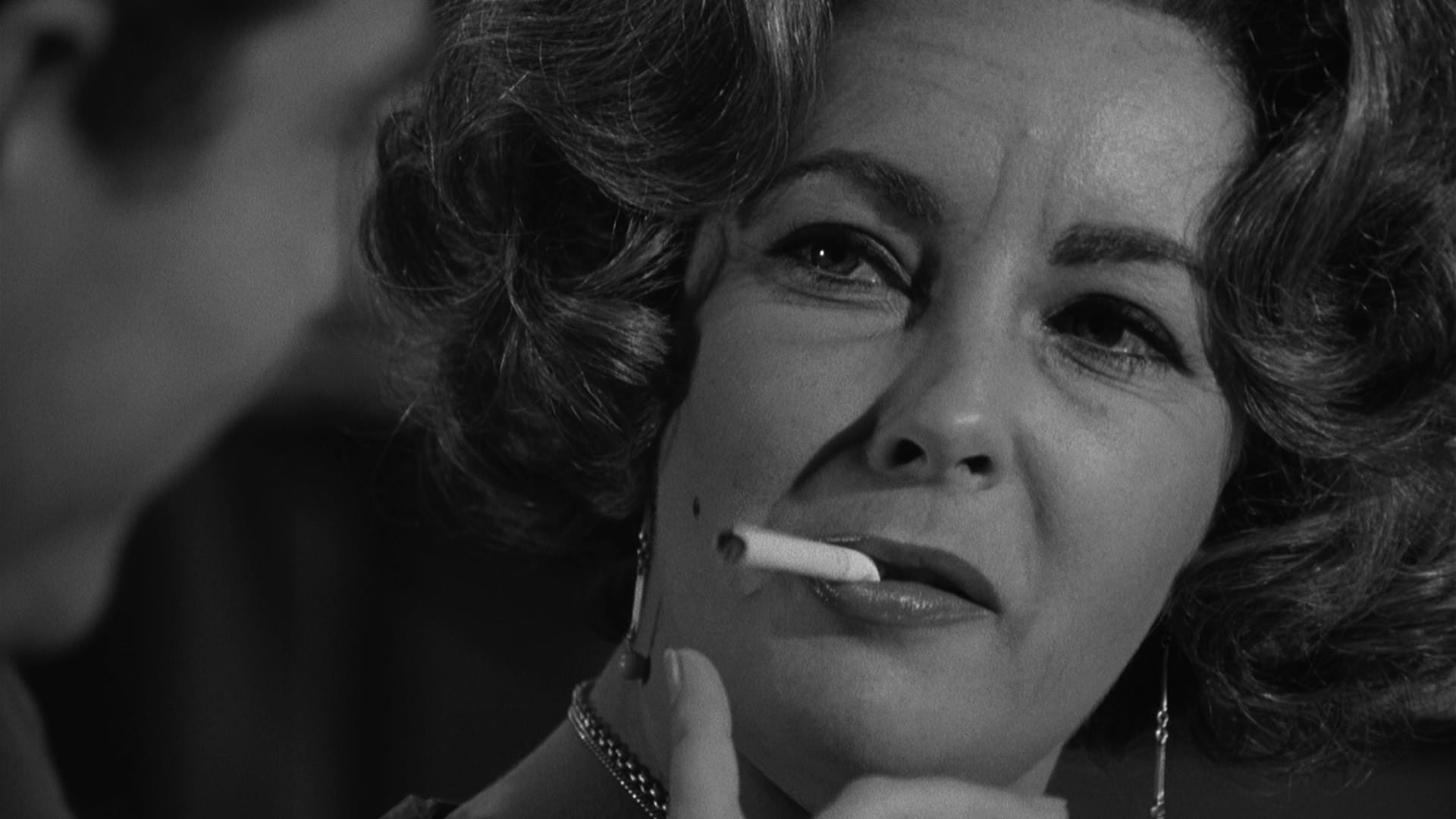
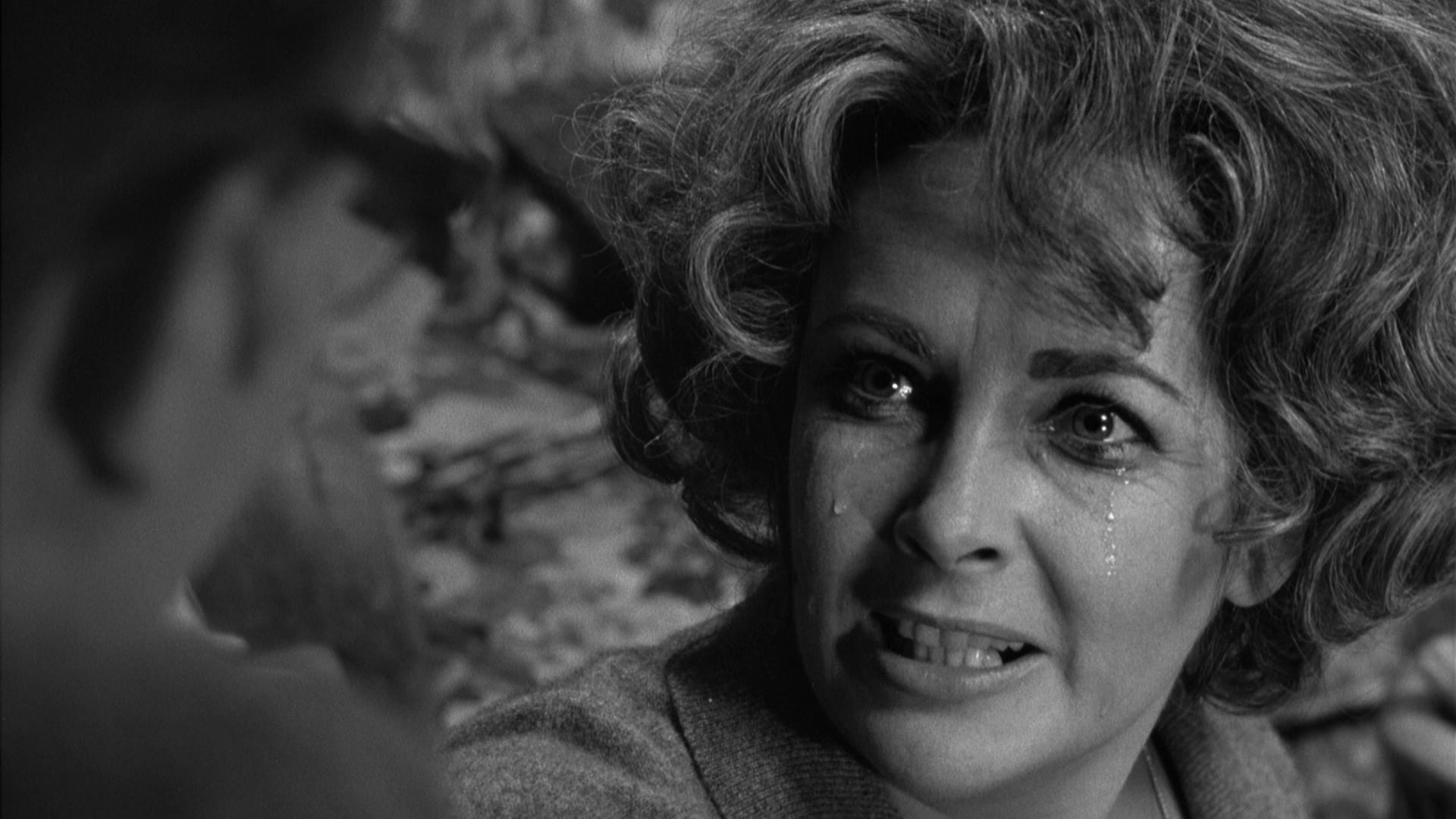
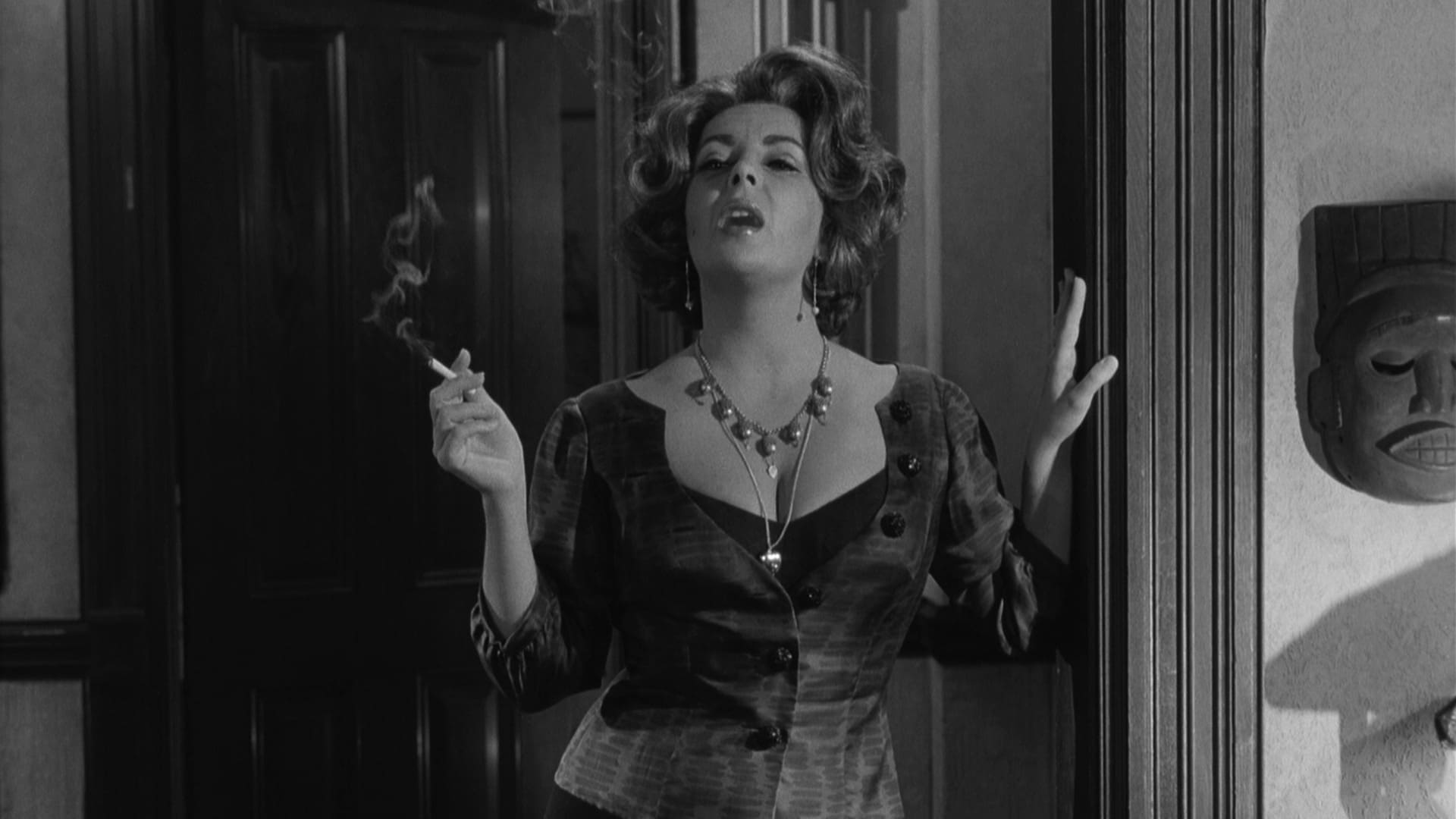
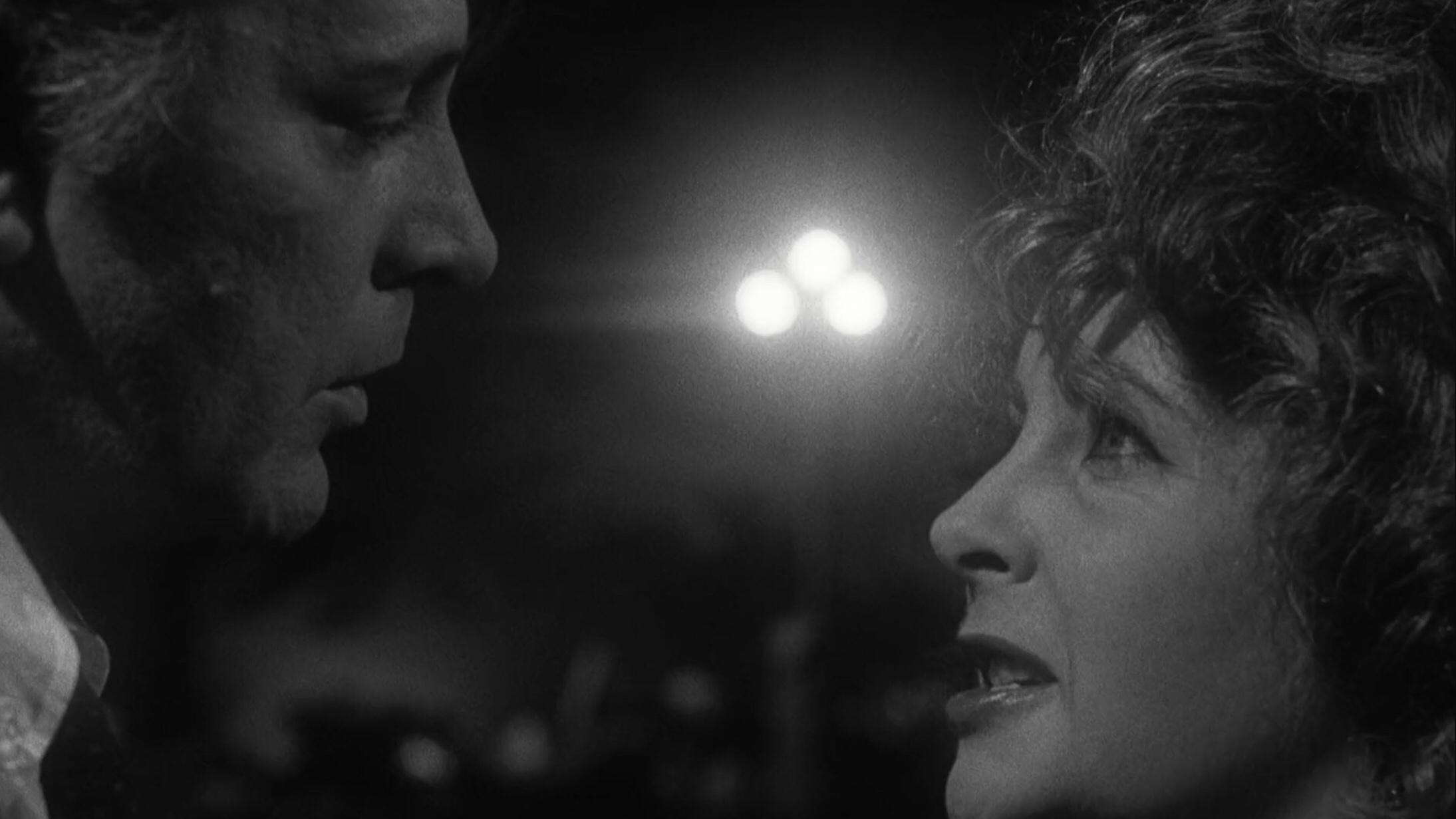
Who’s Afraid of Virginia Woolf? was originally filmed in black and white by cinematographer Haskell Wexler, with lighting that captured the claustrophobic domestic setting and the shifting moods from party gaiety to savage confrontation. This professionally colorized restoration enhances every scene with frame-by-frame precision, from the late-night atmosphere of the faculty party to the dimly lit living room that becomes an emotional battlefield. The colorized version reveals new visual richness in the dramatic sequences, where the subtle physical performances and the changing emotional states of the characters become even more apparent. Elizabeth Taylor’s performance represents a complete transformation — she gained weight for the role, wore aging makeup, and abandoned every trace of glamour to inhabit Martha, a woman of fierce intelligence, deep pain, and terrifying vitality. Her expressive face gains additional impact in color, capturing the full range of Martha’s emotions from seductive playfulness to devastating despair. Richard Burton matches her at every turn, bringing wounded dignity and razor-sharp wit to George, his performance enhanced by the visual detail that color brings to the intimate, brutal exchanges. The 1960s academic setting — the faculty housing, the period costumes, the late-night atmosphere — gains period authenticity that transports viewers to the world of mid-century American academia. Now also available in colour.
Buy Who’s Afraid of Virginia Woolf? in color today for just €15.00. Your DRM-free MP4 download is available for instant access.
Released in 1966, Who’s Afraid of Virginia Woolf? was a watershed moment in American cinema. Its unflinching depiction of marital conflict, sexual content, and profanity directly challenged the Production Code, the Hollywood censorship system that had governed film content since the 1930s. The film’s success helped create the modern MPAA rating system, which replaced the outdated Production Code and allowed for more adult subject matter in cinema. The film received thirteen Academy Award nominations — every possible category in which it could be nominated — winning five: Best Actress for Elizabeth Taylor, Best Supporting Actress for Sandy Dennis, Best Art Direction-Black and White, Best Cinematography-Black and White, and Best Costume Design-Black and White.
Mike Nichols’ direction in his film debut proved that theatrical material could be translated to film with visceral cinematic power. Nichols, who had been a successful comedy performer with Elaine May, brought a deep understanding of performance and timing to this dramatic material, creating a film that feels both theatrical and intensely cinematic. His direction of the four leads is masterful, drawing performances that remain among the greatest in American cinema history.
Elizabeth Taylor’s willingness to deglamorize herself completely for the role redefined what was expected of movie stars in serious dramatic work. Taylor, one of the most famous actresses in the world and known for her glamour and beauty, gained weight, wore minimal makeup, and allowed herself to appear aging and vulnerable. This transformation was revolutionary at the time and demonstrated Taylor’s commitment to her craft. Her performance remains one of the most powerful in screen history.
Richard Burton, already a celebrated Shakespearean actor, brought his formidable intelligence and emotional range to the role of George. Burton and Taylor were married in real life at the time, and their famously volatile relationship added an extraordinary layer of authenticity to their on-screen interactions. Their chemistry in this film is electric, capturing the complex dynamics of a long-term marriage marked by love, resentment, and mutual dependence.
The film is based on Edward Albee’s 1962 play, which had been a critical and commercial success on Broadway. Albee’s dialogue, with its poetic brutality and psychological insight, translates brilliantly to the screen, and the film remains faithful to the play’s structure and themes while taking full advantage of cinematic possibilities. Through modern colorization, this landmark dramatic achievement reaches new audiences who can appreciate the extraordinary performances, Nichols’s masterful direction, and the film’s revolutionary impact on American cinema.
Q: Is this film very intense?
A: Yes. This is one of the most emotionally intense films ever made. The verbal and psychological conflict between the characters is sustained and powerful. While there is no physical violence, the emotional brutality is devastating and deeply affecting. This film is recommended for mature viewers.
Q: Do I need to have seen the stage play first?
A: Not at all. The film stands entirely on its own and is considered by many to be superior to the stage version. Mike Nichols’s direction and the performances of the four leads create a completely self-contained cinematic experience that captures and enhances Albee’s writing.
Q: How are the performances compared to other versions of this play?
A: The Taylor-Burton performances are widely considered definitive. Their real-life relationship as a famously volatile married couple adds an extraordinary layer of authenticity that no subsequent production has matched. This remains the standard by which all other interpretations are measured.
Q: What format is the download?
A: The film is delivered as MP4 and MKV files that play on virtually any device.
Q: Is there DRM on the file?
A: No. The download is completely DRM-free so you can watch it on any device without restrictions.
Q: How quickly can I watch after purchase?
A: Your download link is available instantly after payment, so you can start watching within minutes.