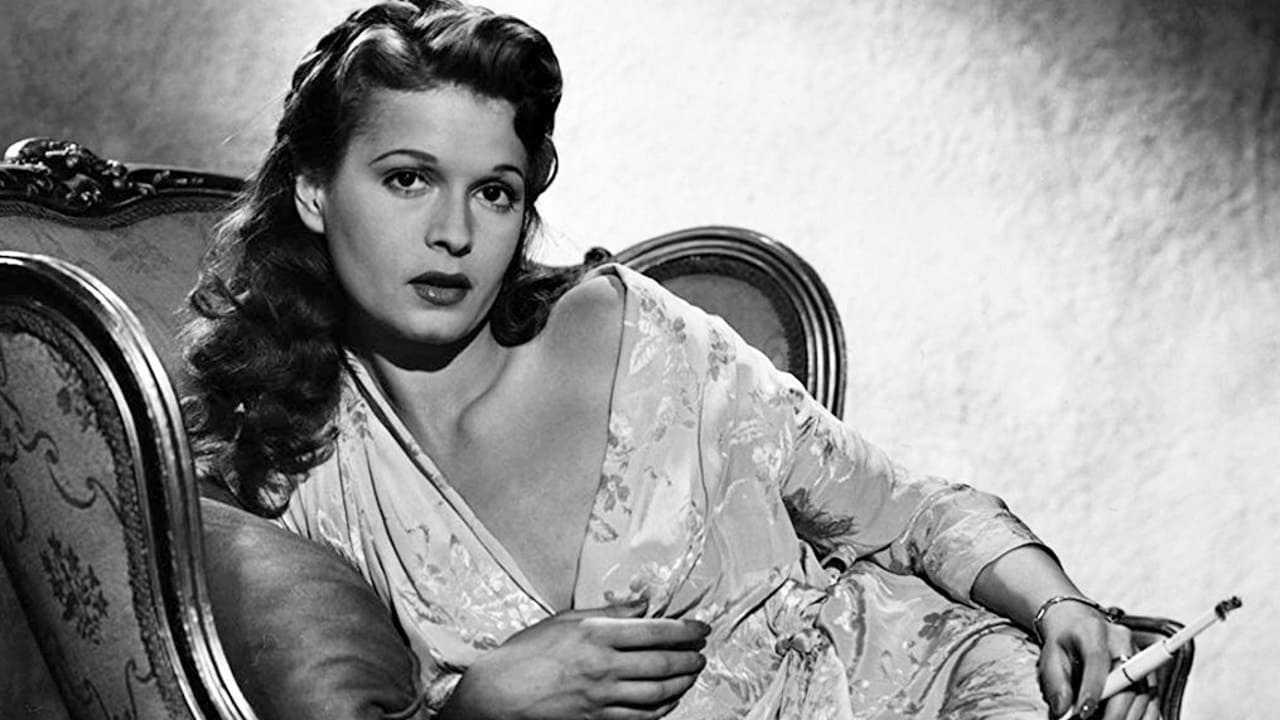
Rashomon (1950) Colorized 1950


🎥 Check more movies by director Romolo Marcellini
⭐ Check more movies starring Bonar Colleano
⭐ Check more movies starring Barbara Kelly
⭐ Check more movies starring Anne Vernon
A Tale of Five Cities (1951), the drama classic starring Bonar Colleano and Barbara Kelly, was originally released in black and white — no official colour version was ever produced by the studio. What you are looking at is the professionally colorized restoration: every frame recoloured, available as an instant DRM-free HD (720p) download. You can judge it yourself — the colour preview plays on this page before you buy.
A Tale of Five Cities is a 1951 drama directed by Romolo Marcellini, a postwar anthology that follows a single banknote as it passes through the hands of strangers across Europe. The film stars Bonar Colleano, Barbara Kelly, Anne Vernon, Eva Bartok and Gina Lollobrigida, with Marcello Mastroianni also appearing among the ensemble. Its hook is simple and irresistible: one piece of paper money, five cities, and the lives it quietly changes along the way. Part travelogue, part human drama, it captures a continent rebuilding itself one transaction at a time. Own this classic movie in color as a DRM-free MP4 digital download for just €15.00.
The film opens in an Austrian city, where a banknote is placed into circulation and begins a journey that will carry it across borders and through the hands of people who never meet. The note is not a fortune, but to each person who holds it, it arrives at exactly the moment it is needed — or exactly the moment it can do the most damage.
In the first city, the money passes to a man whose plans depend on a small stroke of luck. His story introduces the film’s central idea: that currency is a kind of anonymous messenger, carrying hope from one stranger to the next. What he does with the note sets its course, and the film follows it out of his life without sentiment.
The second city brings a different set of characters, including a woman whose circumstances force her to weigh loyalty against survival. Here the note becomes a test rather than a gift, and the film lingers on the moral arithmetic of small sums. The performances in this section give the story its emotional weight, turning an abstract device into something painfully human.
In the third city, the note changes hands again, this time through a transaction that seems trivial but ripples outward. A chance encounter, a missed connection, a decision made in a moment of impatience — the film shows how ordinary choices accumulate. The cast rotates, but the tension stays constant: someone is always about to let the money go.
The fourth city shifts the tone once more, introducing characters whose lives intersect with the note in unexpected ways. By now the audience understands the pattern, and the pleasure lies in watching how each new holder misreads the situation. The note is never the point; the people are.
In the fifth and final city, the journey reaches its destination, and the film gathers its threads. Every earlier decision returns in some form, and the question the whole story has been building toward is finally asked: what does it mean when a thing passes through so many lives and belongs to none of them? The answer arrives quietly, and it is worth waiting for.
Director: Romolo Marcellini
Stars: Bonar Colleano, Barbara Kelly, Anne Vernon, Eva Bartok, Gina Lollobrigida
This professionally colourised restoration transforms a film that was shot in black and white into something newly vivid, and the difference is most striking in its European locations. The five cities are no longer interchangeable grey backdrops; each has its own palette, from the cool stone of Austrian streets to the warmer interiors where the drama unfolds. Period-accurate costume colour — the cut of postwar suits, the fabrics of women’s dresses — gives every scene a documentary texture that monochrome flattened. The colorized transfer also reveals detail in set dressing that was easy to miss: signage, wallpaper, the small objects that tell you exactly where and when you are. None of this distracts from the performances. If anything, colour serves them, because you can read faces and gestures more clearly, and the ensemble cast — Colleano, Kelly, Vernon, Bartok, Lollobrigida — gains a warmth that black and white could only suggest. Buy it today at €15.00 and start watching with an instant DRM-free MP4 download.
A Tale of Five Cities belongs to a distinctive moment in early 1950s European cinema, when filmmakers were experimenting with anthology structures and cross-border coproductions. Directed by Romolo Marcellini, an Italian filmmaker with a strong documentary background, the film reflects a continent trying to tell stories that transcended national borders. Its Austrian production context and multinational cast place it firmly in the postwar tradition of films that treated Europe as a single, connected space rather than a collection of separate stages.
The cast is a remarkable snapshot of talent at a particular moment. Bonar Colleano was one of the most recognizable screen presences of the era, and the film also features early appearances by Gina Lollobrigida and Marcello Mastroianni, both of whom would become international stars in the years that followed. For viewers today, part of the pleasure is watching these performers before the world knew what they would become. Barbara Kelly, Anne Vernon and Eva Bartok round out an ensemble that gives the anthology its range.
The film’s device — following a single banknote across five cities — was unusual for its time and remains an elegant way to structure a story about strangers. It asks audiences to care about people they will only know for a few minutes, and it trusts them to connect the dots. That trust is why the film still matters: it is a portrait of a rebuilding continent, told through the smallest possible unit of exchange. Colorization brings this story to new audiences, letting modern viewers see the world these characters actually inhabited.
Q: Was A Tale of Five Cities originally filmed in color?
A: No. The film was shot in black and white, as was standard for its era and budget. This page offers a later professional colorized restoration, not a studio colour release — the original theatrical version was monochrome.
Q: How does the film connect its five separate stories?
A: The unifying device is a single banknote that passes from person to person across five European cities. Each segment follows whoever is holding the note at that moment, so the cast changes while the thread stays the same.
Q: Which future stars appear in the cast?
A: Gina Lollobrigida and Marcello Mastroianni both appear in the ensemble, years before they became internationally famous. Bonar Colleano, Barbara Kelly, Anne Vernon and Eva Bartok also feature prominently.
Q: What format is the download?
A: The film is delivered as MP4 and MKV files that play on virtually any device.
Q: Is there DRM on the file?
A: No. The download is completely DRM-free so you can watch it on any device without restrictions.
Q: How quickly can I watch after purchase?
A: Your download link is available instantly after payment, so you can start watching within minutes.