The Eagle with Two Heads... 1948


🎥 Check more movies by director Willis Goldbeck
⭐ Check more movies starring Wallace Beery
⭐ Check more movies starring Marjorie Main
⭐ Check more movies starring Donald Meek
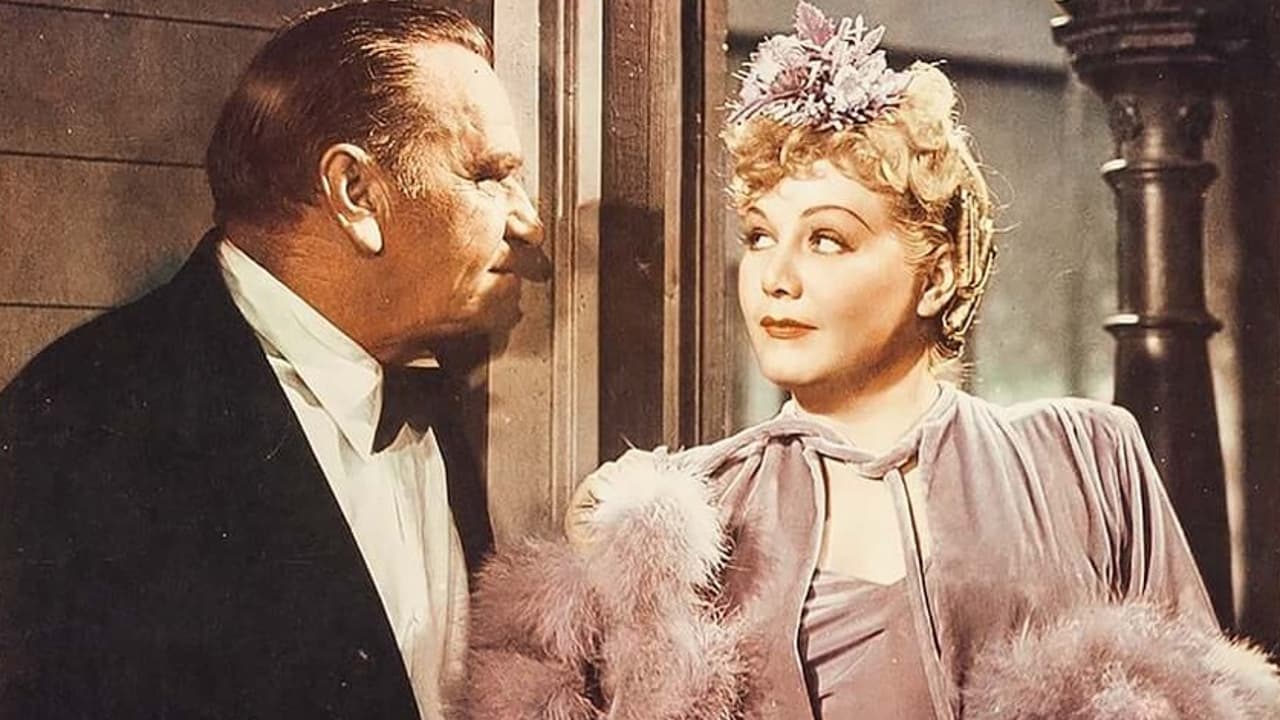
Rationing (1944), the comedy classic starring Wallace Beery and Marjorie Main, was originally released in black and white — no official colour version was ever produced by the studio. What you are looking at is the professionally colorized restoration: every frame recoloured, available as an instant DRM-free HD (720p) download. You can judge it yourself — the colour preview plays on this page before you buy.
Discover Rationing, the 1944 American comedy film directed by Willis Goldbeck and distributed by Metro-Goldwyn-Mayer, starring Wallace Beery and Marjorie Main, now available as a professionally colorized version. The film is about governmental restrictions on the sale of food, fuel, and other consumer items and services in the United States during World War II. Ben Barton, a grocer in Tuttleton, is trying to get gas coupons from the local rationing board. Instead he gets a lecture on thrift from Iris Tuttle, the head of the board, who has been his enemy for twenty years. Ben also gets news that his adopted son Lance has joined the Army, and is marrying his high school sweetheart, Dorothy, who is the daughter of Iris. Ben warns his son about his future mother-in-law Iris. Ben speaks from experience since he used to be engaged to Iris some twenty years ago. This wartime comedy combines small-town Americana with patriotic themes as a stubborn grocer outwits bureaucracy, black marketeers, and his old flame while keeping the home front supplied and his son’s romance alive. Own this classic movie in color as a DRM-free MP4 digital download for just €15.00.
Ben Barton, a grocer in Tuttleton, is trying to get gas coupons from the local rationing board. Instead he gets a lecture on thrift from Iris Tuttle, the head of the board, who has been his enemy for twenty years. Ben also gets news that his adopted son Lance has joined the Army, and is marrying his high school sweetheart, Dorothy, who is the daughter of Iris. Ben warns his son about his future mother-in-law Iris. Ben speaks from experience since he used to be engaged to Iris some twenty years ago.
To everyone’s surprise Iris approves of the young couple’s plans to marry, but advises them to wait until after the war. Dorothy refuses to wait, but Lance is suspicious, since he knows his father broke off the engagement to Iris when he was in the service during World War I, and married a French girl he met overseas instead. Lance and Dorothy argue over this and she breaks off their engagement. Lance is devastated and comes to see his father, explaining that he had needed $2,000 to elope with Dorothy and ignore Iris’ advice. Ben explains that he got $2,000 after his own parents, and that he will sell part of his grocery store to the owner of the gas station, Cash Riddle, in order to give Lance the money he needs.
Iris continues to put obstacles in Ben’s way, stopping more goods from reaching his store. By pure jealousy she stops Ben from giving a girdle from his store to the lovely new barber, Miss McCue, and Ben has to sneak over to Miss McCue in the night to get it delivered. The day after, Iris claims she has to count the girdles in his store, to ensure that a new regulation is followed. Ben then has to get the girdle back from Miss McCue to not arouse suspicion.
In order to do something about his situation, Ben goes to Washington D.C. to meet his old friend from the service, Senator Ed White. Since Ed isn’t available, Ben has to run around town to “unfreeze” girdles. When he finally meets Ed, the senator tells him there has never been a regulation of girdles to his knowledge. Ben asks his old friend to help him get a job for the Army again, and Ed sets him up with a job that is related to the war. When he gets back home, Ben finds out the job he got was to be appointed to the Tuttleton rationing board, sharing authority with Iris.
Upon his return to town, Ben also discovers that his store, run by Cash in his absence, has been out of meat since he left. It soon turns out Cash is involved in a black market illegal distribution of meat, together with a man named Dixie Samson. They give Ben some meat to avoid suspicion, but the neighboring towns start asking Ben questions about his sudden delivery. Cash tells Ben that they have been supplying the Army with meat for a few weeks, but everyone’s suspicions remain. To fool Ben, Samson acts as a government representative for the meat distribution, and offers Ben a bribe not to take matters further.
Ben only pretends to go along with this and demands a bribe of $5,000 to stay silent. When Samson has left, Ben reports to Ed about what is going on, and Ed comes to Tuttleton to look into the situation. Together the two men find out where Samson’s slaughter-house is located, and Ben goes there to disclose the operation. He is caught and locked up by Samson, but persuades Cash to let him out. A fight between Ben and Samson ensues.
Lance returns on a leave from the service and starts preparing to marry Dorothy, but waits until his father comes back. Ed gathers people from the town to help Ben out. They rush over to the slaughter-house and fight Samson’s men, and manage to defeat the hardened criminals. When they come back to town, it turns out Iris has bought Cash’s part of the grocery store. She also gives Ben a marriage license regarding the two of them for him to sign. At first he refuses, but then he discovers that the paperwork for getting out of the store partnership is too extensive, so he gives in.
Ben Barton is the classic Wallace Beery type, a gruff but good-hearted everyman whose common sense and stubbornness carry him through every difficulty. As a small-town grocer, he is at the center of the wartime home front, responsible for supplying his neighbors while navigating the bureaucracy of rationing. His long feud with Iris Tuttle, the head of the rationing board, is rooted in old romantic wounds as much as in current policy disputes. The revelation that they were once engaged, and that Ben broke it off to marry a French girl during World War I, gives their comic antagonism a genuine emotional history.
Iris Tuttle represents official authority and wounded pride. As the head of the local rationing board, she has the power to make Ben’s life difficult, and she exercises that power with enthusiasm. Yet her anger at Ben is personal as well as bureaucratic. The discovery that Ben had a son with a French woman, and that his adopted son Lance is now engaged to her daughter Dorothy, creates a complicated family situation. Iris’s eventual approval of the young couple’s marriage, and her final maneuver to force Ben into a marriage license, show that beneath her officious exterior she still carries a torch for him.
Lance and Dorothy embody the wartime generation eager to seize happiness before separation and uncertainty take over. Dorothy’s refusal to wait until after the war reflects the impatience of young people who have seen how quickly circumstances can change. Lance’s suspicion about his father’s past, and his argument with Dorothy over the broken engagement, nearly derails their romance. The $2,000 elopement plan becomes a practical obstacle that drives Ben to mortgage part of his store, showing how personal sacrifices on the home front paralleled those made by servicemen overseas.
Cash Riddle and Dixie Samson represent the shadow side of the wartime economy, the black marketeers who profit from scarcity. Cash’s initial willingness to buy part of Ben’s store, and his later involvement in illegal meat distribution, show how easily legitimate business can slide into profiteering. Ben’s decision to pretend to take a bribe in order to expose the black market operation is a clever reversal that allows him to use the criminals’ own greed against them. The climactic fight at the slaughter-house brings the comic conflict into the realm of physical action, with Ben and the townspeople standing up for law and community.
The girdle subplot provides one of the film’s most sustained comic sequences. Girdles, as clothing items subject to rationing regulations, become the unlikely battleground between Ben and Iris. Ben’s late-night delivery to Miss McCue, the new barber, and his subsequent need to retrieve the girdle when Iris announces an inspection, demonstrate how wartime regulations could turn ordinary transactions into farcical adventures. The fact that there is no actual girdle regulation in Washington makes the absurdity even sharper, suggesting that local bureaucrats can sometimes invent restrictions that have no basis in national policy.
Director: Willis Goldbeck
Stars: Wallace Beery, Marjorie Main
Rationing was originally filmed in black and white, with cinematography that captured the storefronts, kitchens, and town meetings of wartime small-town America. This professionally colorized restoration enhances every scene with frame-by-frame precision, from the red-white-and-blue patriotic decorations of Tuttleton to the colorful produce and goods in Ben’s grocery store, the period clothing of 1944, and the warm interiors of the Barton home. The colorized version reveals new visual richness in the film’s settings, where the wartime posters, ration stamps, vintage automobiles, and small-town streetscapes gain authenticity that transports viewers to the World War II home front. Wallace Beery’s performance as Ben Barton gains additional dimension in color, his portrayal of the irascible but patriotic grocer conveying both comic bluster and genuine warmth. Marjorie Main’s Iris Tuttle benefits from colorization that highlights her character’s flinty determination and the comic sparks of her rivalry with Ben. The supporting cast of townspeople, soldiers, and black marketeers becomes more vivid in color, making the community of Tuttleton feel like a real place facing real wartime challenges. Now also available in colour.
Buy Rationing in color today for just €15.00. Your DRM-free MP4 download is available for instant access.
Released in 1944, Rationing captures a specific moment in American history when the home front was fully engaged in the war effort through rationing, price controls, and volunteer mobilization. The film’s title refers to the Office of Price Administration’s system of rationing food, fuel, clothing, and other consumer goods to ensure fair distribution and to support the military needs of World War II. By setting the story in a small grocery store, the film makes the abstract system of rationing concrete and personal, showing how wartime regulations affected ordinary shopkeepers and customers on a daily basis.
Wallace Beery and Marjorie Main were one of Metro-Goldwyn-Mayer’s most popular screen teams, having appeared together in several films including Wyoming (1940), Barnacle Bill (1941), Jackass Mail (1942), The Bugle Sounds (1942), Bad Bascomb (1946), and Big Jack (1949). Their gruff comic chemistry made them ideal for stories of working-class and rural characters navigating larger social forces. Rationing fits squarely into this partnership, with Beery as the good-natured schemer and Main as the formidable woman who both opposes and ultimately claims him.
Director Willis Goldbeck, working within the efficient MGM studio system, delivered a comedy that balanced patriotic messaging with entertaining farce. The studio system of the 1940s excelled at producing topical comedies that could be released quickly while public interest in a subject was high. Rationing took advantage of the public’s familiarity with ration boards, gas coupons, and black market rumors to create comedy that audiences immediately understood. The film’s Washington sequences, showing Ben trying to navigate the federal bureaucracy, satirized the distance between national policy and local implementation.
The black market subplot reflects real wartime concerns. Although most Americans accepted rationing as a patriotic duty, illegal trading in scarce goods such as meat, gasoline, and sugar was a persistent problem. The film’s portrayal of black marketeers pretending to supply the Army while lining their own pockets would have resonated with contemporary audiences who had heard similar stories. Ben’s exposure of the operation, and the townspeople’s support in the climactic fight, reinforce the message that communities could defeat profiteering through cooperation and courage.
The romantic subplot involving Lance and Dorothy addresses the social pressures on young couples during wartime. The desire to marry before a soldier shipped overseas, the shortage of goods needed for weddings, and the interference of parents all reflected real experiences of the era. Dorothy’s determination to marry immediately, and Ben’s willingness to sell part of his business to make it possible, show how families adapted to the accelerated pace of wartime life.
Rationing is also part of the tradition of World War II films that treated the home front with humor rather than combat drama. While films like Mrs. Miniver (1942) or Since You Went Away (1944) portrayed the home front with sentiment and sacrifice, Rationing found comedy in the frustrations and absurdities of wartime regulations. This lighter approach helped maintain morale by acknowledging the inconveniences of rationing while affirming the patriotism of ordinary Americans. Through modern colorization, this wartime comedy reaches new audiences who can appreciate Wallace Beery and Marjorie Main’s screen partnership, its depiction of 1940s America, and its place in the history of World War II cinema. Now also available in colour.
Q: Who stars in Rationing?
A: Wallace Beery stars as Ben Barton, the small-town grocer, with Marjorie Main as Iris Tuttle, the head of the rationing board.
Q: What is the plot of Rationing?
A: A grocer clashes with the local rationing board head, who is his old flame, while trying to help his son marry, expose a black market meat operation, and survive wartime regulations.
Q: Is Rationing a wartime film?
A: Yes, the film is set during World War II and deals with rationing, the black market, and home front patriotism.
Q: What format is the download?
A: The film is delivered as MP4 and MKV files that play on virtually any device.
Q: Is there DRM on the file?
A: No. The download is completely DRM-free so you can watch it on any device without restrictions.
Q: How quickly can I watch after purchase?
A: Your download link is available instantly after payment, so you can start watching within minutes.