Gentleman Jim (1942) Colorized 1942


🎥 Check more movies by director Douglas Sirk
⭐ Check more movies starring Fred MacMurray
⭐ Check more movies starring Barbara Stanwyck
⭐ Check more movies starring Joan Bennett
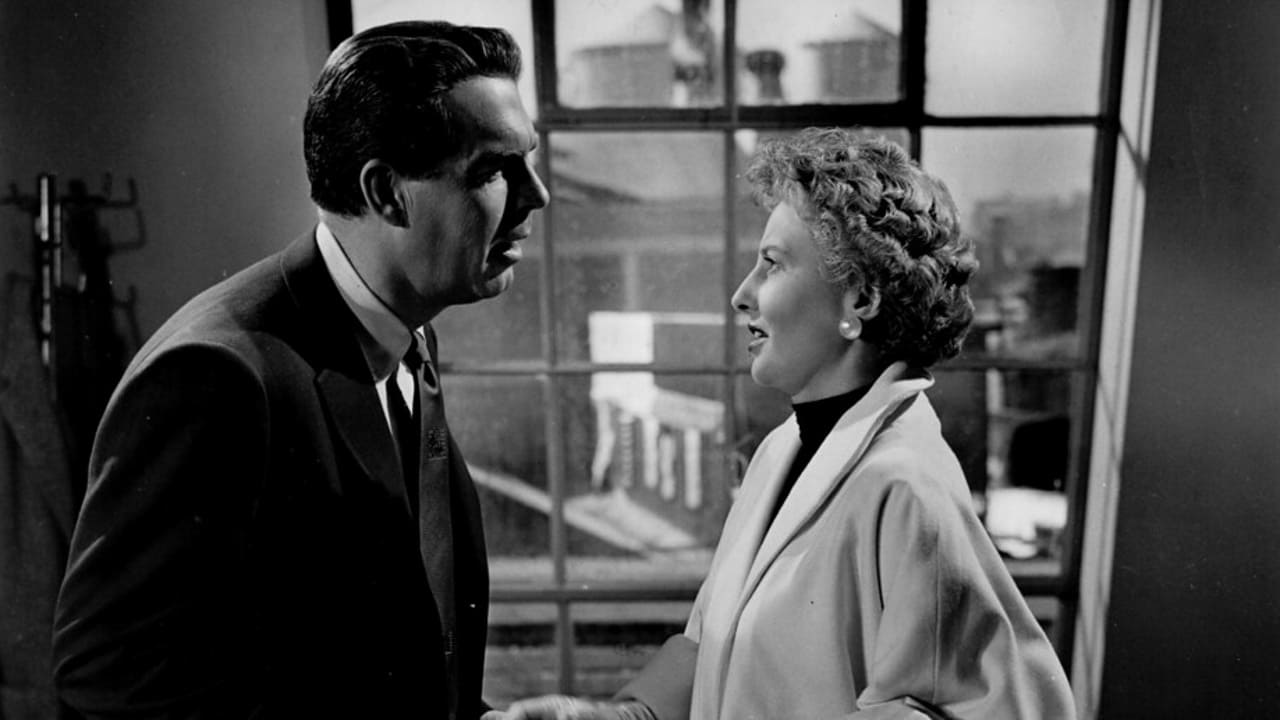
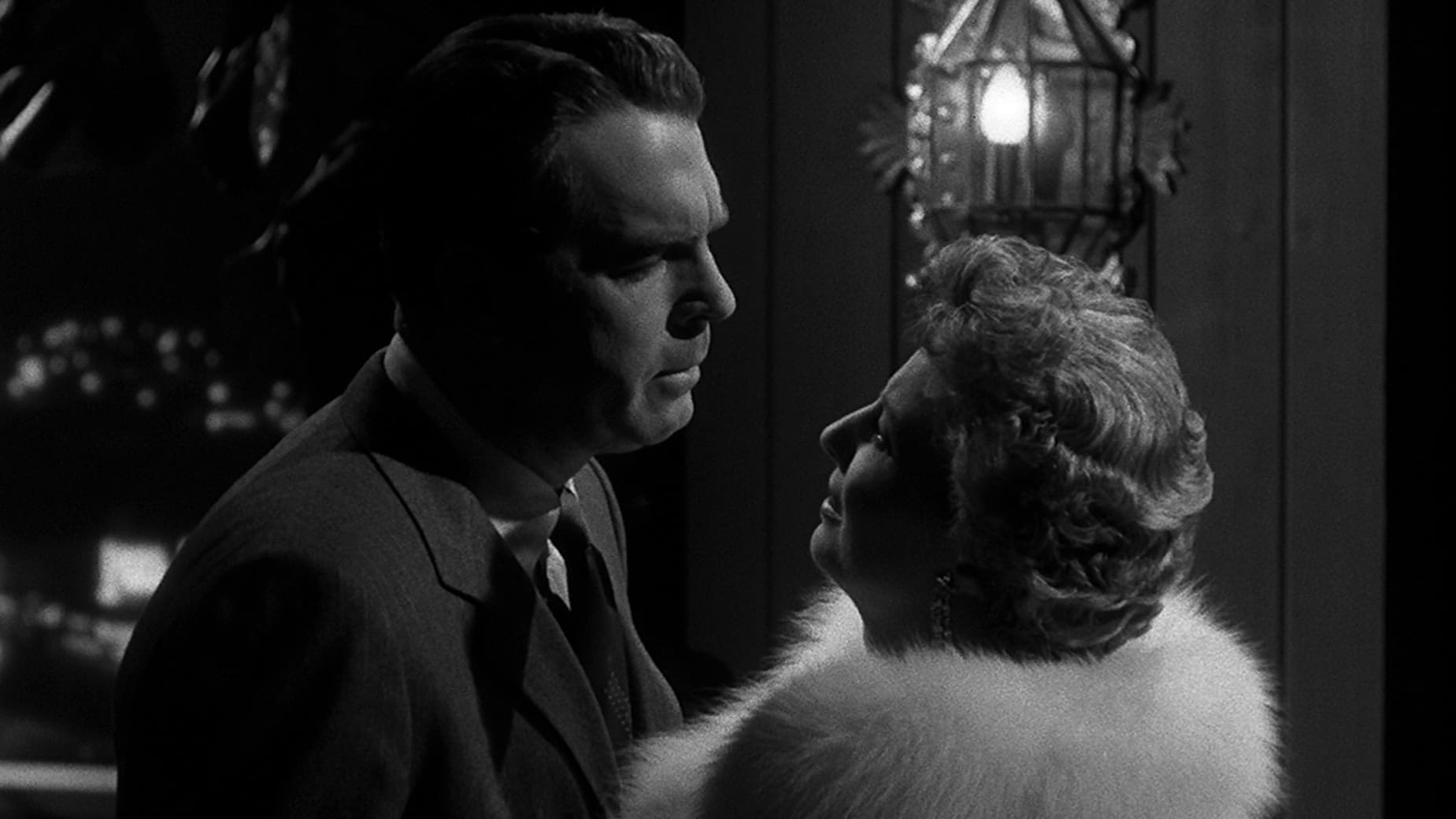
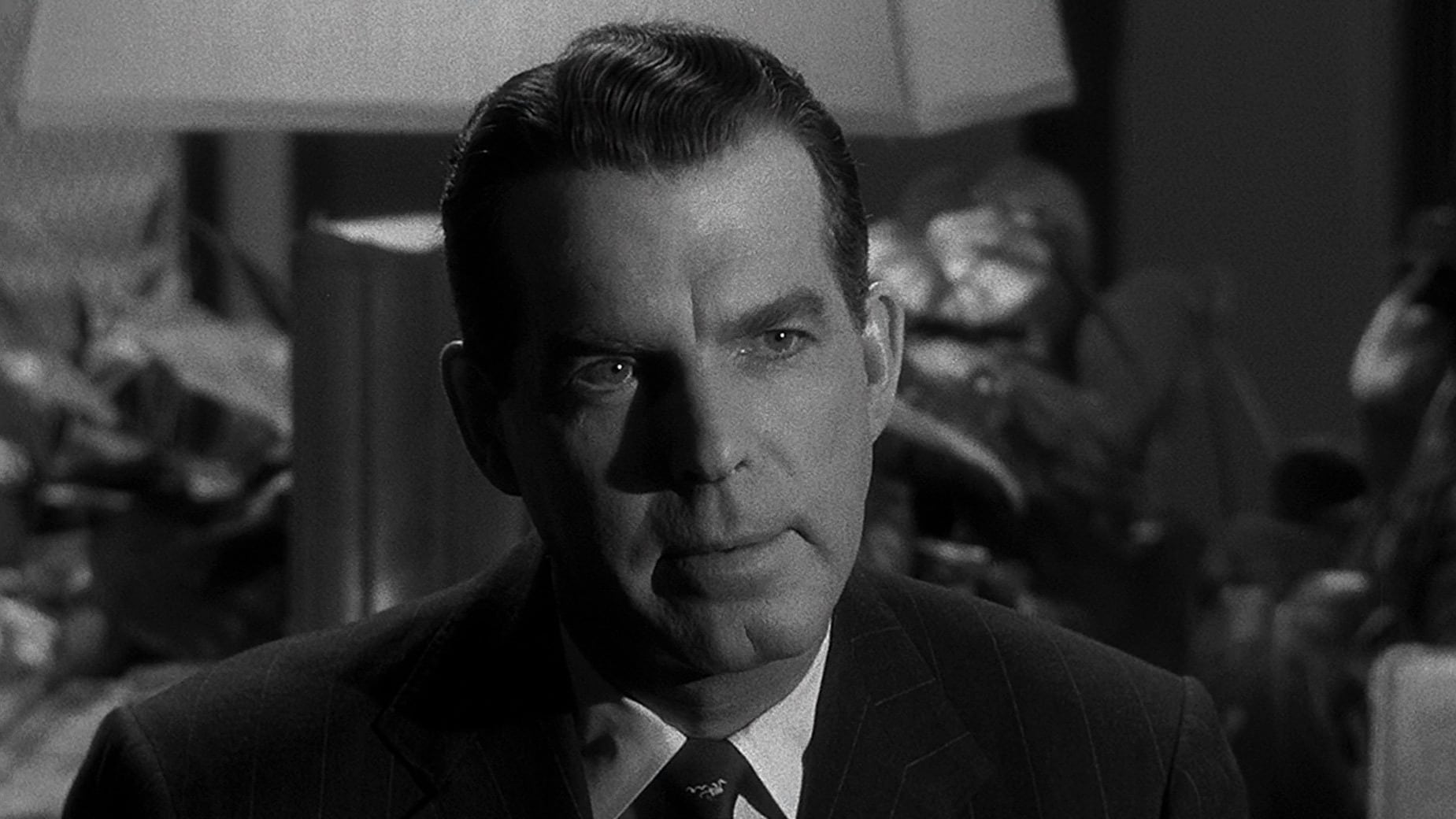
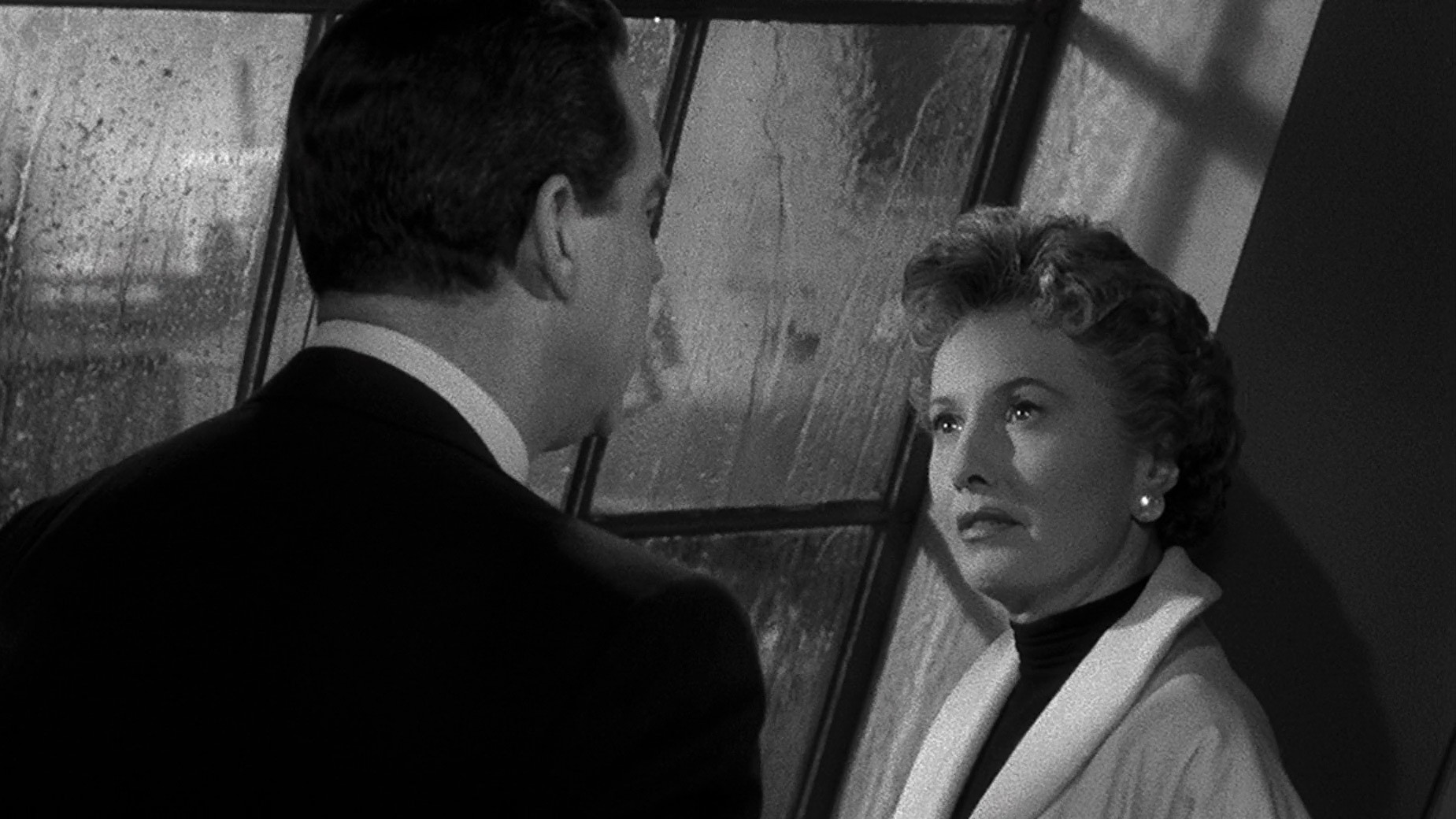
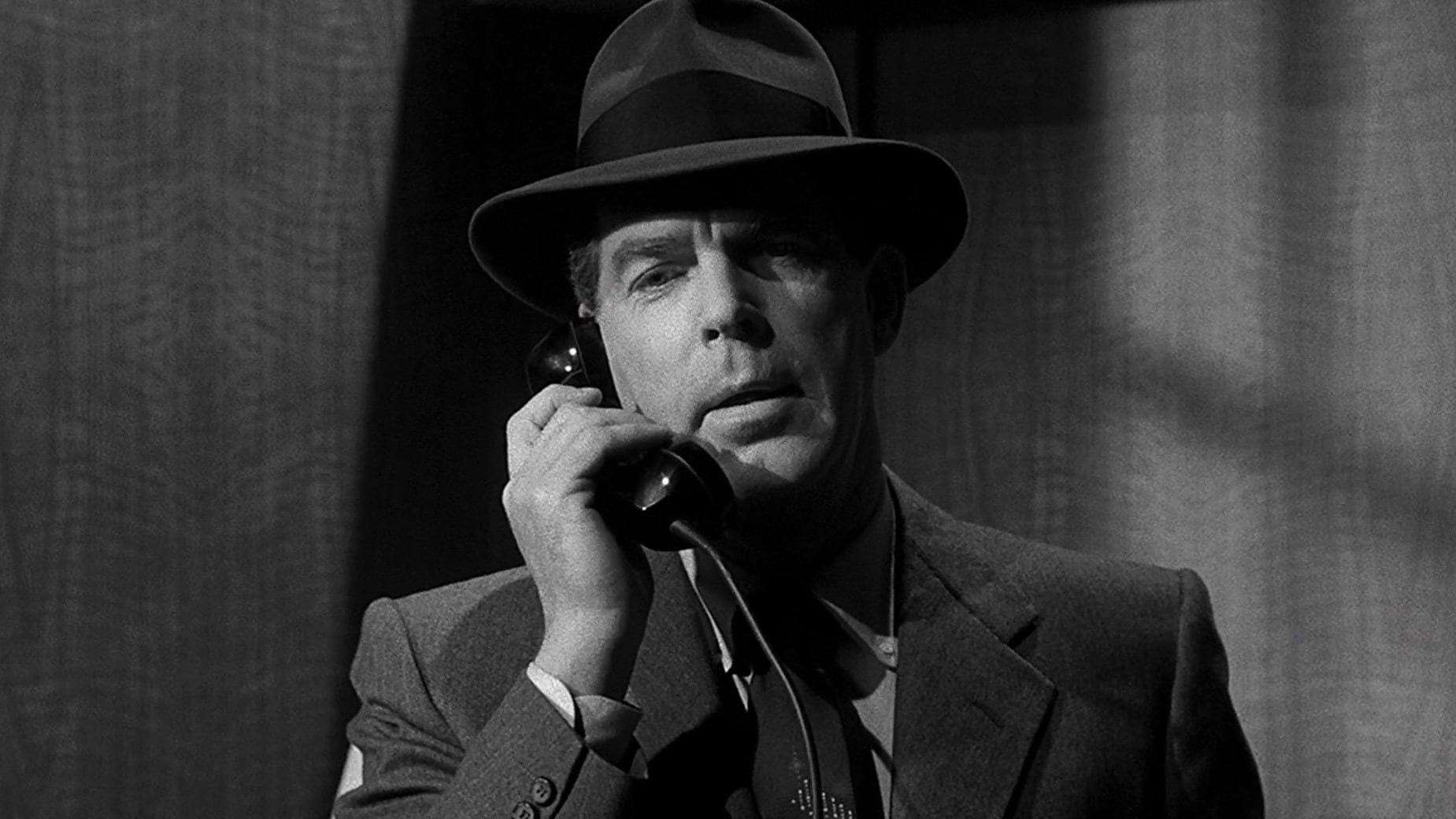
There’s Always Tomorrow (1956), the drama classic starring Fred MacMurray and Barbara Stanwyck, was originally released in black and white — no official colour version was ever produced by the studio. What you are looking at is the professionally colorized restoration: every frame recoloured, available as an instant DRM-free HD (720p) download. You can judge it yourself — the colour preview plays on this page before you buy.
There’s Always Tomorrow is a 1956 American romantic drama directed by Douglas Sirk, the master of the lush Hollywood melodrama, and starring Fred MacMurray as a restless suburban husband and Barbara Stanwyck as the woman from his past who re-enters his life. Joan Bennett, William Reynolds, Pat Crowley and Gigi Perreau round out a superb cast. The hook is simple and devastating: a successful family man begins to wonder whether the life he built is the life he actually wanted, and one unexpected reunion tests everything he thought he knew about himself. Own this classic movie in color as a DRM-free MP4 digital download for just €15.00.
Clifford Groves is a prosperous toy manufacturer living a comfortable suburban existence with his wife Marion and their children. On the surface, the Groves household is the picture of postwar American success: a beautiful home, well-behaved children, and a man who has provided for his family for two decades. But Clifford has begun to feel invisible in his own life. His wife and children treat him less as a person than as a fixture, and the routine of his days has worn away whatever spark once animated him.
Into this quiet dissatisfaction walks Norma Miller Vale, a fashion designer Clifford once loved years ago. Norma arrives in town on business and, by chance, reconnects with the man she never quite forgot. She is elegant, independent, and worldly in a way that Clifford’s domestic world is not, and their meeting stirs feelings he had long since buried. What begins as a friendly reunion quickly deepens into something more complicated for both of them.
Clifford’s eldest children, especially his son Vinnie and daughter Ellen, become suspicious of the time their father is spending with this glamorous stranger. Their mother Marion, meanwhile, senses a distance in her husband she cannot quite name. The family’s unease grows as Clifford’s attention drifts, and the household that once seemed so secure begins to show cracks beneath its polished surface.
Norma, for her part, is no homewrecker. She is genuinely fond of Clifford and tempted by the possibility of a second chance, but she is also clear-eyed about the damage their relationship could cause. The tension between what Clifford wants and what he stands to lose becomes the engine of the film, as he is forced to weigh the comfort of familiarity against the pull of a genuine emotional connection.
Sirk stages these conflicts with his signature visual elegance, using mirrors, doorways and carefully composed interiors to suggest the emotional cages his characters inhabit. The performances are restrained and deeply felt: MacMurray’s Clifford is sympathetic even at his most selfish, and Stanwyck’s Norma carries a quiet dignity that makes her far more than a plot device. Bennett’s Marion is the film’s moral center, a woman who understands more than she lets on.
As the story moves toward its resolution, Clifford must decide what kind of man he wants to be and what he is willing to sacrifice. The film builds to a confrontation that forces every character to reckon with the choices they have made. The ending answers the question the whole story has been asking: when the fantasy of another life meets the reality of the one you have, which do you choose?
Director: Douglas Sirk
Stars: Fred MacMurray, Barbara Stanwyck, Joan Bennett, William Reynolds, Pat Crowley
Watching There’s Always Tomorrow in color transforms the experience of Sirk’s meticulous domestic world. The colorized restoration brings out the period-accurate details that black and white could only suggest: the warm wood tones of the Groves family home, the precise tailoring of Norma’s designer wardrobe, the muted pastels of 1950s suburban interiors, and the rich textures of the toy factory where Clifford spends his days. Sirk was a director obsessed with surfaces and what they conceal, and color makes those surfaces vivid in a way that deepens the film’s central irony — that a life can look perfect and feel empty. The restoration reveals the care in the costume design, the deliberate use of color in set dressing, and the subtle lighting choices that frame the performances. MacMurray’s weariness, Stanwyck’s guarded warmth and Bennett’s quiet strength all read differently when the world around them feels fully alive. This is a melodrama that rewards the heightened visual language color provides. Buy it now at €15.00 with instant DRM-free MP4 download and see a Sirk masterpiece as you have never seen it before.
There’s Always Tomorrow occupies a fascinating place in the career of Douglas Sirk, the German-born director who became the definitive stylist of the 1950s American melodrama. Released in 1956, the film came during the extraordinary run that also produced All That Heaven Allows and Written on the Wind, and it shares their preoccupation with the gap between the glossy surface of postwar prosperity and the emotional costs hidden beneath it. Sirk’s critical reputation has only grown over the decades, with later filmmakers and scholars celebrating his ironic, deeply felt approach to stories that lesser directors treated as mere tearjerkers.
The film also reunited Fred MacMurray and Barbara Stanwyck, who had famously played opposite each other in Billy Wilder’s Double Indemnity more than a decade earlier. Casting them here as two people circling a very different kind of dangerous attraction gives the film an added resonance for audiences who know their earlier work. Joan Bennett, a star of film noir and gothic melodrama, brings her own considerable presence to the role of Marion, and the supporting cast of young performers captures the specific anxieties of 1950s American family life.
There’s Always Tomorrow remains a compelling portrait of midlife restlessness and the compromises of marriage, themes that have lost none of their relevance. Its reputation has grown steadily as audiences rediscover Sirk’s filmography, and it is now regarded as one of the director’s most emotionally honest works. Colorization brings this classic to new audiences, allowing viewers who might overlook a black and white film to experience Sirk’s visual artistry and the power of its performances in a fresh and immediate way.
Q: Was There’s Always Tomorrow originally filmed in color?
A: No. There’s Always Tomorrow was shot in black and white and released that way in 1956. This page offers a later professional colorized restoration, not a studio colour release, so the color you see here is a modern enhancement of the original monochrome photography.
Q: Did Fred MacMurray and Barbara Stanwyck make other films together besides this one?
A: Yes. MacMurray and Stanwyck had previously starred together in the 1944 film noir Double Indemnity, where they played two people drawn into a murder plot. Their reunion in There’s Always Tomorrow casts them in a very different kind of relationship, which adds an extra layer of interest for viewers familiar with their earlier collaboration.
Q: What genre is There’s Always Tomorrow, and how does it compare to other Douglas Sirk films?
A: It is a romantic drama and a domestic melodrama, the genre Sirk is most celebrated for. Like All That Heaven Allows and Written on the Wind, it examines the tensions beneath the surface of comfortable American life, though it is more intimate and restrained than some of his more flamboyant melodramas.
Q: What format is the download?
A: The film is delivered as MP4 and MKV files that play on virtually any device.
Q: Is there DRM on the file?
A: No. The download is completely DRM-free so you can watch it on any device without restrictions.
Q: How quickly can I watch after purchase?
A: Your download link is available instantly after payment, so you can start watching within minutes.