The Last Meeting (1967) Colorized 1967


🎥 Check more movies by director George B. Seitz Jr.
⭐ Check more movies starring Clayton Moore
⭐ Check more movies starring Jay Silverheels
⭐ Check more movies starring Glenn Strange
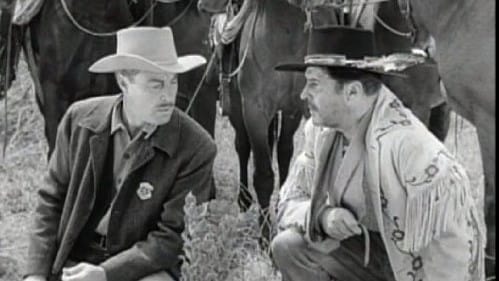
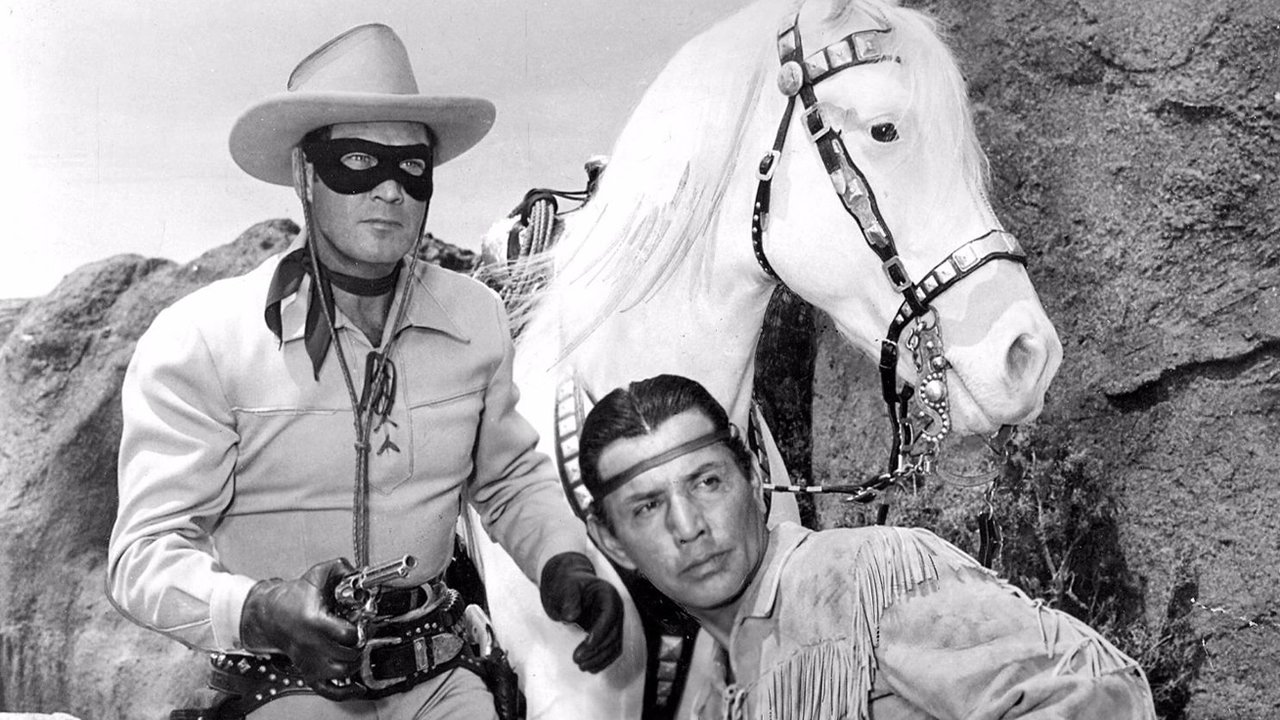
The Lone Ranger S01E01: Enter the Lone Ranger (1949), the action classic starring Clayton Moore and Jay Silverheels, was originally released in black and white — no official colour version was ever produced by the studio. What you are looking at is the professionally colorized restoration: every frame recoloured, available as an instant DRM-free HD (720p) download. You can judge it yourself — the colour preview plays on this page before you buy.
First broadcast on 15 September 1949, “Enter the Lone Ranger” is the opening episode of the beloved American Western television series, directed by George B. Seitz Jr. and starring Clayton Moore as the masked lawman and Jay Silverheels as his steadfast companion Tonto. This 25-minute episode introduces the origin of the Lone Ranger, a tale of ambush, survival and justice on the frontier. With guest players Glenn Strange, Tristram Coffin, Jack Rube Clifford and George J. Lewis filling out the cast, it is a compact, atmospheric piece of early television Western storytelling. Now presented in color, it invites both longtime fans and newcomers to see the birth of a legend. Own this classic movie in color as a DRM-free MP4 digital download for just €15.00.
The episode opens on a band of Texas Rangers riding into a canyon, lured by the promise of a meeting with a group of outlaws. Among them are the Ranger captain and his younger brother, who have long pursued the notorious Cavendish gang across the territory. The Rangers believe they are closing in on their quarry, but the rendezvous is a trap carefully laid by their enemies.
Without warning, the gang opens fire from the surrounding rocks. The Rangers are cut down in the ambush, and the captain falls among them. Only one man survives the massacre, wounded but alive, and he is discovered by an Indian scout named Tonto, who recognises him and nurses him back to health. The two men share a history, and Tonto’s loyalty gives the survivor a reason to keep going.
As he recovers, the lone survivor learns the full weight of what has happened: his brother and his comrades are dead, and the Cavendish gang remains at large. He resolves that the law must still be served, but that he can no longer serve it as an ordinary man. To hunt the gang without exposing himself to their vengeance, he must become someone else entirely.
He and Tonto fashion a disguise, including the black mask that will become his trademark, and he takes the name the Lone Ranger. Tonto becomes his partner, and together they begin the long pursuit of the men who destroyed the Ranger company. The episode shows the first steps of that partnership and the code of justice that will guide them.
The trail leads toward the gang’s hideout, and the Lone Ranger must use both his wits and his skill with a gun to survive the encounter. The outlaws are dangerous and well armed, and the odds remain against him. The episode builds toward a confrontation that will test whether one masked man and his companion can truly stand against a band of killers.
By the end, the Lone Ranger has begun to establish the legend that will follow him across the series, but the question of whether he can bring the Cavendish gang to justice — and what it will cost him — is left hanging for the episodes to come.
Director: George B. Seitz Jr.
Stars: Clayton Moore, Jay Silverheels, Glenn Strange, Tristram Coffin, Jack Rube Clifford, George J. Lewis
The colorized restoration of “Enter the Lone Ranger” brings the frontier to life in a way the original black-and-white broadcast could not. The dusty canyon where the Rangers ride into ambush gains depth and warmth, with the ochre rock and sagebrush of the location reading as a real landscape rather than a grey backdrop. The Rangers’ uniforms, the leather of their saddles and the weathered textures of the period costumes take on natural, period-accurate tones, while Tonto’s clothing and the details of the hideout reveal craftsmanship that monochrome flattened. The restoration is careful with skin tones and shadow, so the performances of Clayton Moore and Jay Silverheels remain the focus — Moore’s quiet resolve and Silverheels’ grounded presence are served, not overshadowed, by the added colour. For viewers who grew up with the series, this colourised edition offers a fresh way to revisit the origin story; for those discovering it, it makes the 1949 West feel immediate and alive. Buy it now at €15.00 with instant DRM-free MP4 download.
“Enter the Lone Ranger” holds a notable place in the history of American television. When it first aired on 15 September 1949, the Lone Ranger character was already familiar to audiences from radio, where the series had been running since 1933. The television version translated that popularity to the new medium, and this opening episode established the origin story that would frame the series: the ambush of the Texas Rangers, the survival of one man, and his partnership with Tonto. It set the template for a show that would run for five seasons and become one of the defining Westerns of early television.
The episode is also significant for introducing Clayton Moore as the Lone Ranger and Jay Silverheels as Tonto, performances that would become inseparable from the characters in the public imagination. Silverheels, a Mohawk actor, brought a dignity and steadiness to Tonto that distinguished the role in an era when Native American characters were often portrayed crudely. The supporting cast here includes Glenn Strange, later familiar to audiences for his work in horror films, alongside Tristram Coffin, Jack Rube Clifford and George J. Lewis. Director George B. Seitz Jr. kept the episode tight and atmospheric, making the most of its 25-minute running time.
The series as a whole helped shape the television Western and the idea of the masked hero, and its influence can be seen in countless later shows and films. This first episode remains the clearest statement of the Lone Ranger’s origins and code. Colorization brings it to new audiences, allowing modern viewers to experience the birth of the legend in vivid, period-appropriate color.
Q: Was “Enter the Lone Ranger” originally broadcast in colour?
A: No. The episode was broadcast in black and white in 1949, as was standard for television at the time. This page offers a later professional colorized restoration, not a studio colour release.
Q: Who plays the Lone Ranger and Tonto in this episode?
A: Clayton Moore plays the Lone Ranger and Jay Silverheels plays Tonto. Both actors became closely identified with these roles throughout the series.
Q: Is this episode the origin story of the Lone Ranger?
A: Yes. As the first episode of the series, it depicts the ambush of the Texas Rangers, the survival of one man, and his decision to take on the masked identity of the Lone Ranger alongside Tonto.
Q: What format is the download?
A: The film is delivered as MP4 and MKV files that play on virtually any device.
Q: Is there DRM on the file?
A: No. The download is completely DRM-free so you can watch it on any device without restrictions.
Q: How quickly can I watch after purchase?
A: Your download link is available instantly after payment, so you can start watching within minutes.