Where Danger Lives (1950) Colorized 1950


🎥 Check more movies by director King Vidor
⭐ Check more movies starring Daniel L. Haynes
⭐ Check more movies starring Nina Mae McKinney
⭐ Check more movies starring William Fountaine
Hallelujah (1929), the drama classic starring Daniel L. Haynes and Nina Mae McKinney, was originally released in black and white — no official colour version was ever produced by the studio. What you are looking at is the professionally colorized restoration: every frame recoloured, available as an instant DRM-free HD (720p) download. You can judge it yourself — the colour preview plays on this page before you buy.
Hallelujah (1929) is a musical drama directed by King Vidor and starring Daniel L. Haynes and Nina Mae McKinney. One of the first major Hollywood features with an all-Black cast, it follows a young sharecropper whose faith is tested by love, betrayal and tragedy. This colorized edition brings its spirituals, river baptisms and juke-joint nights to life in a way black and white never could. Own this classic movie in color as a DRM-free MP4 digital download for just €15.00.
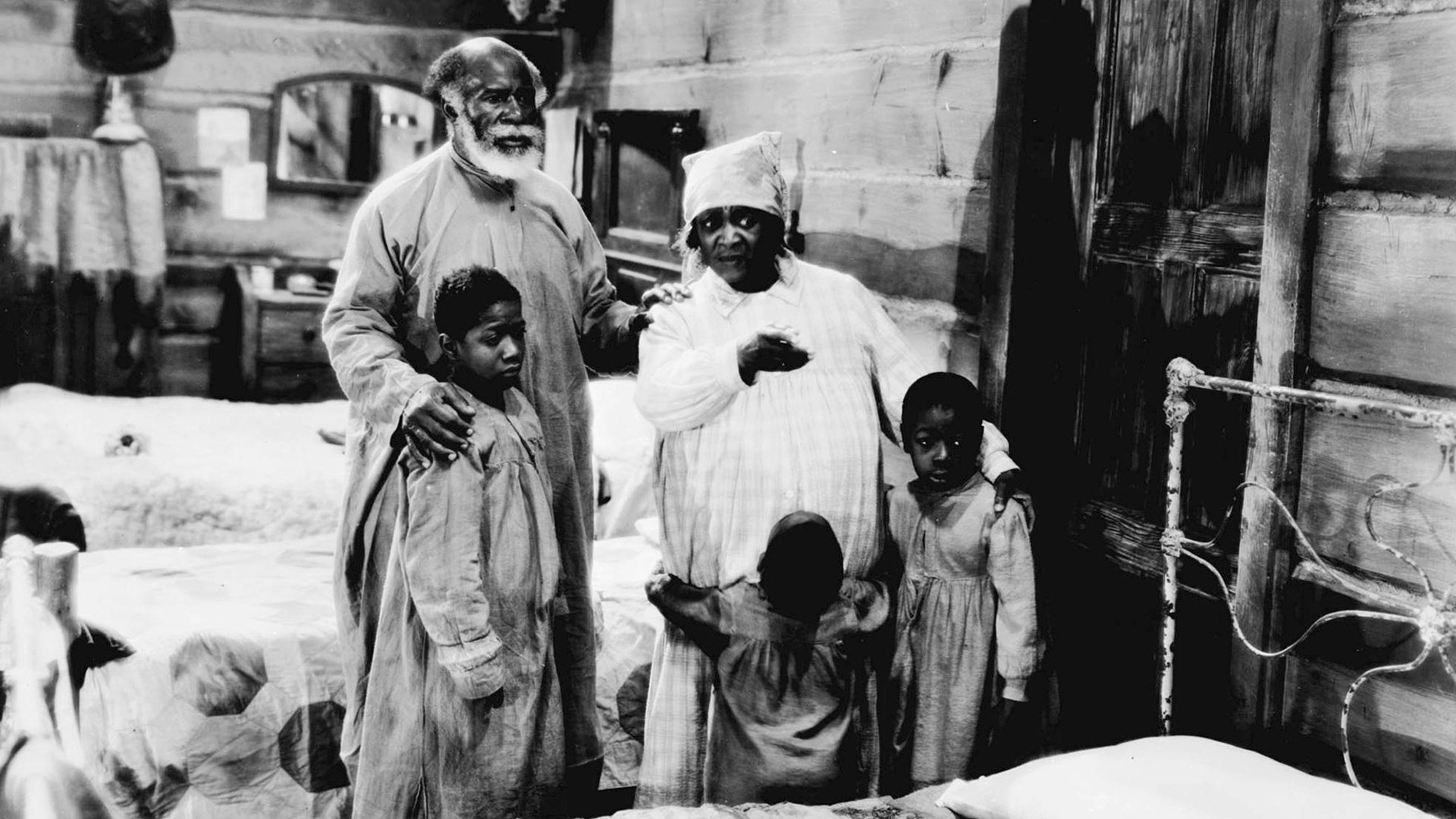
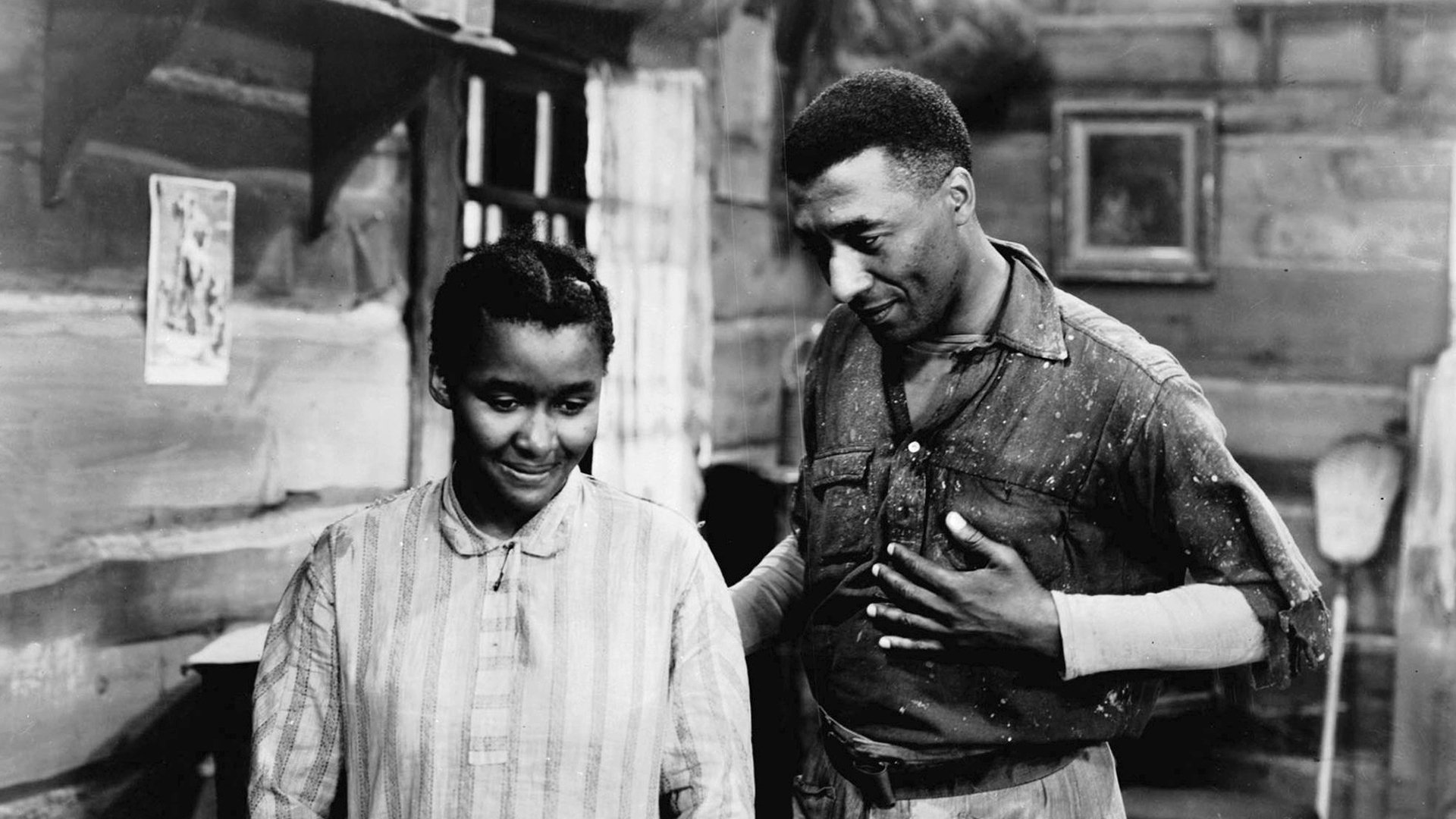
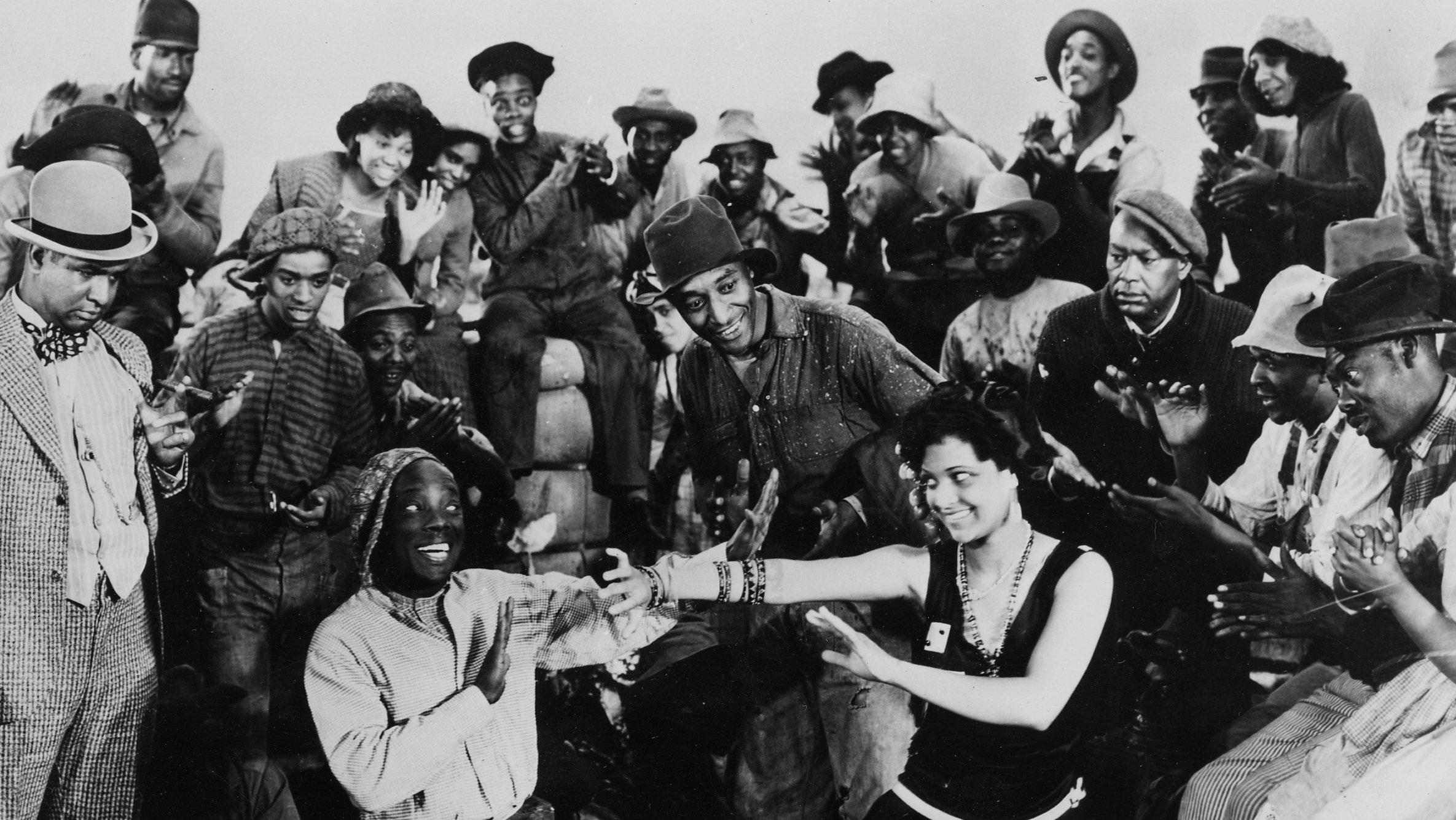
The story opens in the cotton fields of the American South, where the Hallelujah family works the land alongside other sharecroppers. Zeke, the eldest son, is a hardworking young man with a deep faith and a strong sense of duty to his family. When the harvest is sold, his father sends him into town to collect the family’s earnings — a journey that will change the course of his life.
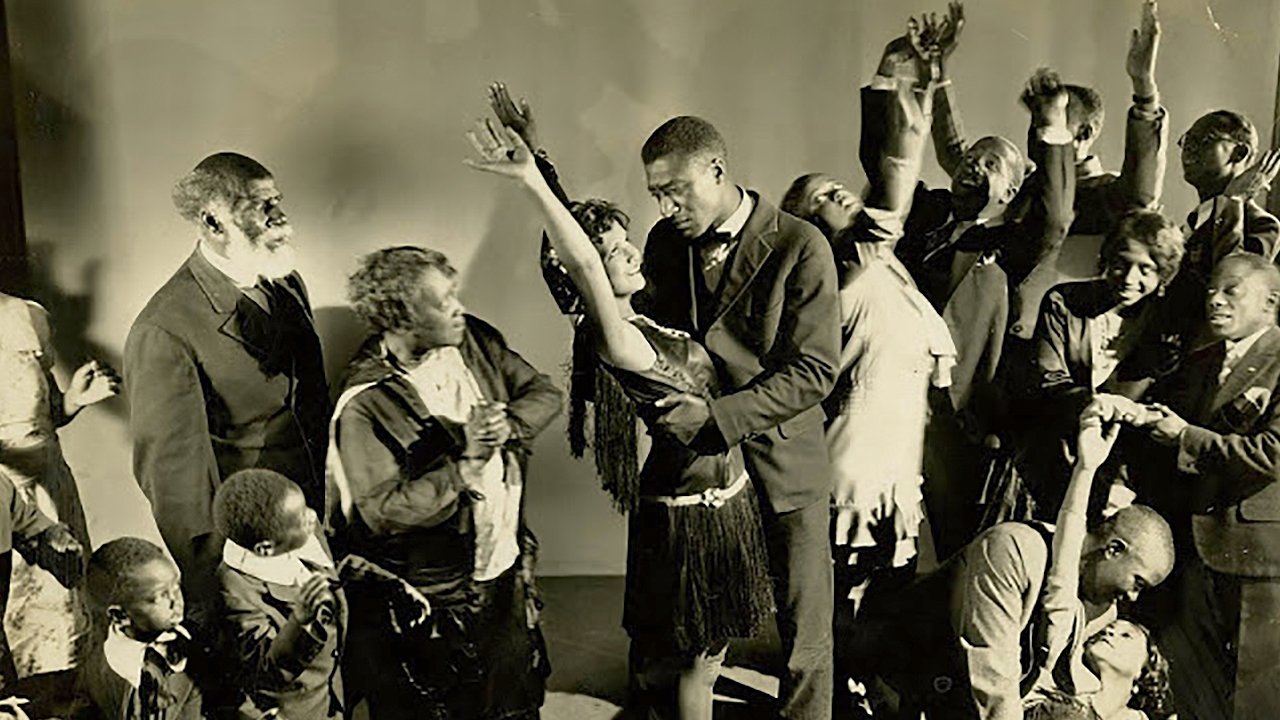
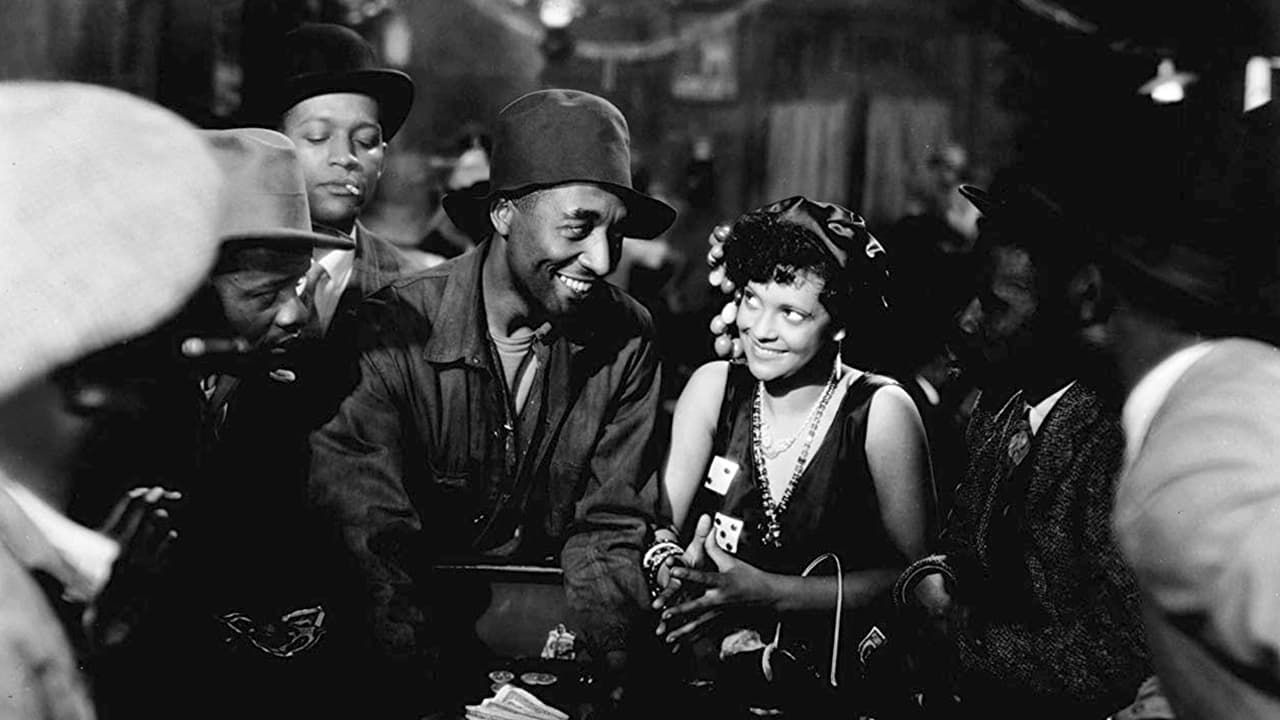
In town, Zeke wanders into a juke joint where he meets Chick, a beautiful and worldly dancer who performs for the crowd. Smitten, he is drawn into her orbit and loses the family’s money in a rigged gambling game run by her partner, Hot Shot. Ashamed and furious, Zeke returns home empty-handed, but the encounter with Chick has left its mark on him.
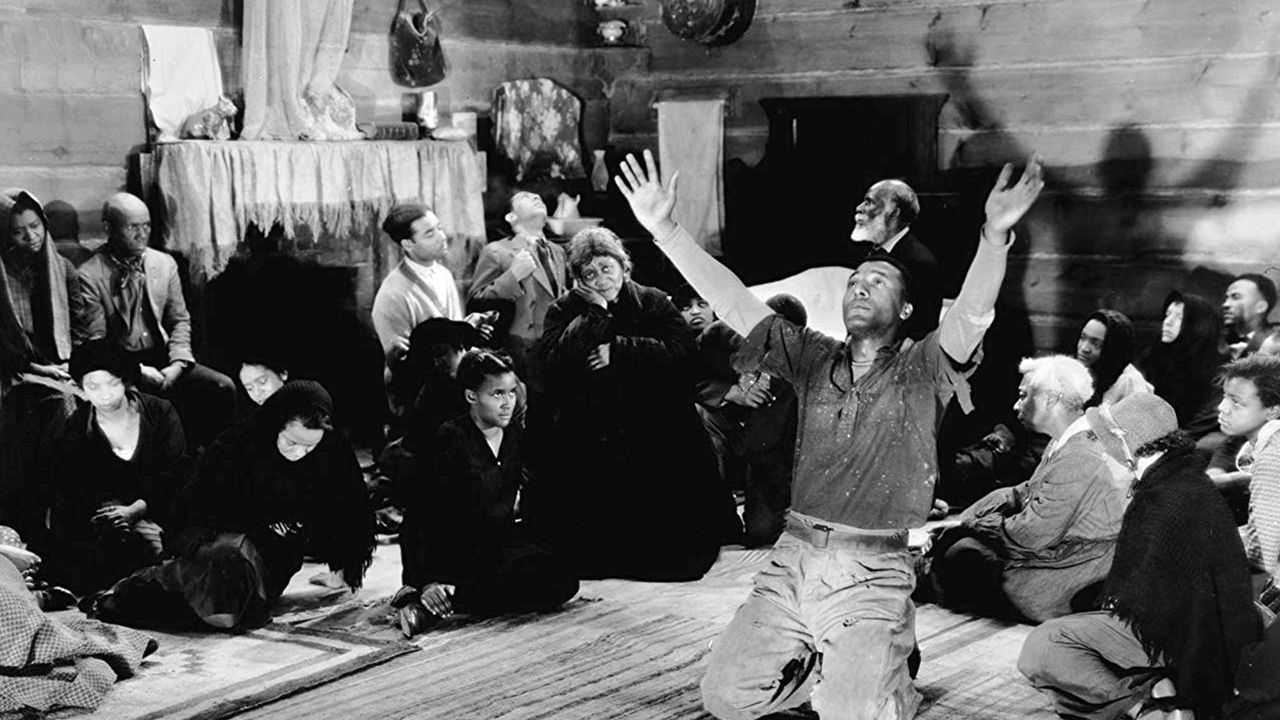
Zeke turns to the church for redemption, and a powerful revival meeting becomes the turning point of the film’s first act. Moved by the singing and preaching, he embraces his faith with new fervour and becomes a preacher himself, travelling the countryside with his brother and sister to spread the gospel. His sermons draw crowds, and for a time he seems to have found his calling.
But Chick re-enters his life, and Zeke’s resolve collapses. He abandons his ministry and his family to be with her, and the two are married in a ceremony that feels more like a surrender than a celebration. The couple’s life together is unstable, shadowed by Hot Shot’s continued presence and by Zeke’s guilt over the path he has chosen.
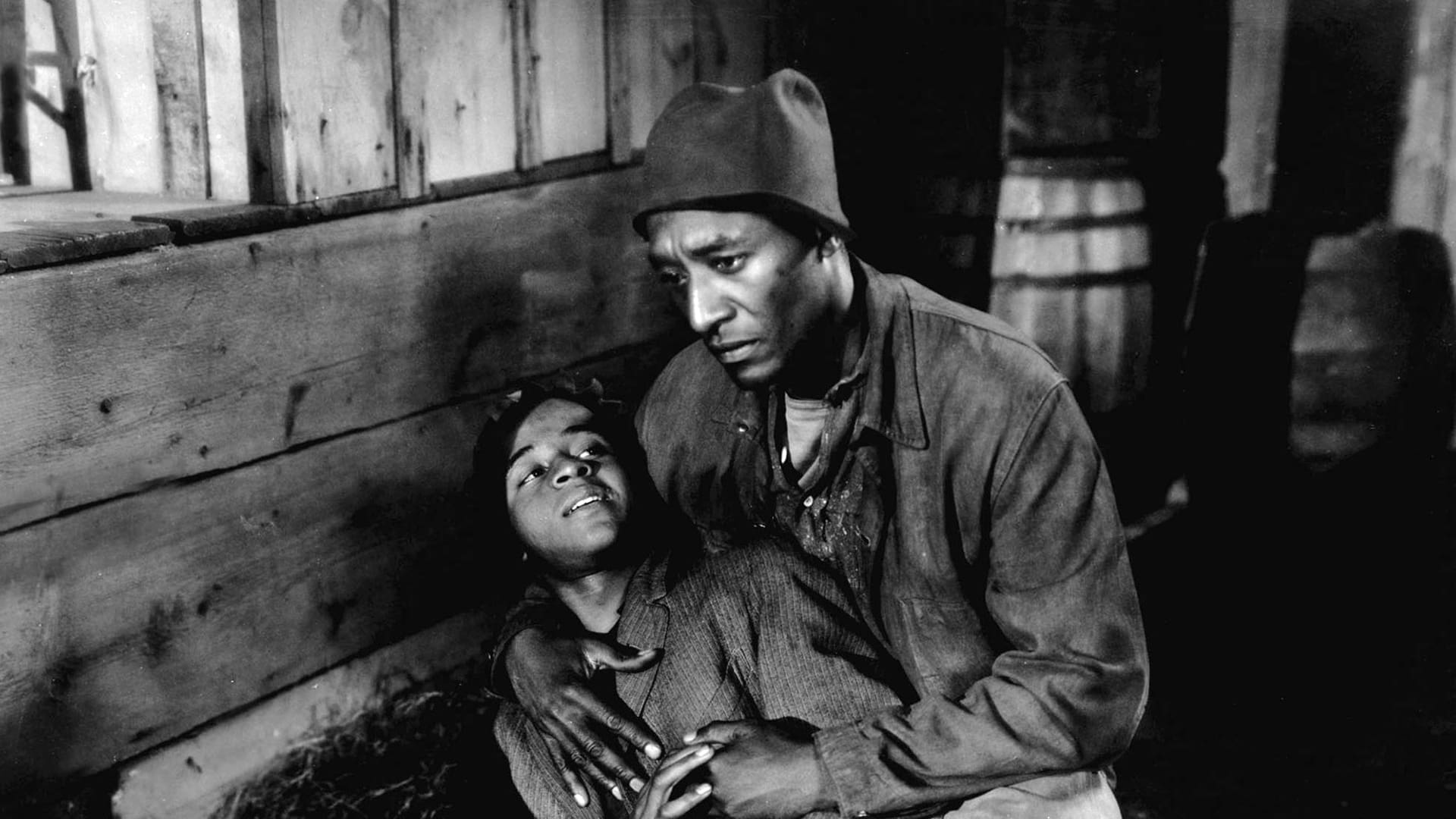
Tragedy follows. In a moment of violence that Zeke never intended, a life is lost, and he is forced to flee. The film follows him into hiding, where he is tormented by remorse and by the memory of the faith he abandoned. Meanwhile, Chick’s own reckoning arrives in a sequence that ranks among the most harrowing in early sound cinema.
The final act brings Zeke back to the community he left behind, and to the question the whole film has been building toward: can a man who has fallen so far find his way back to grace, and at what cost?
Director: King Vidor
Stars: Daniel L. Haynes, Nina Mae McKinney, William Fountaine, Harry Gray, Fanny Belle DeKnight
The colourised edition of Hallelujah transforms the film’s world in ways that matter to the story. The cotton fields, the wooden church, the crowded juke joint and the muddy riverbank all take on the warm, lived-in tones of the rural South, giving the film a sense of place that black and white could only suggest. Costumes — the plain work clothes of the sharecroppers, Chick’s showier dresses, the white robes of the baptism scene — read with new clarity, and the faces of the congregation carry an emotional weight that colour makes immediate.
The restoration also reveals detail that was always there but easy to miss: the texture of the fields, the glow of lantern light, the pattern of the church interior. None of this distracts from the performances. Daniel L. Haynes’s Zeke and Nina Mae McKinney’s Chick remain the heart of the film, and colour serves them by keeping the focus on expression rather than spectacle. For collectors who already know the film, this is a chance to see it afresh; for newcomers, it is the most inviting way in. Buy it today for €15.00 and start watching with an instant DRM-free MP4 download.
Hallelujah arrived in 1929 at a pivotal moment: the first full year of talking pictures. King Vidor, already established as one of Hollywood’s most ambitious directors, fought to make a feature with an all-Black cast at a time when Black performers were largely confined to minor or stereotyped roles. The film was shot partly on location in the South, and its use of spirituals and gospel music gave it a musical identity unlike anything else being released. It was nominated for the Academy Award for Best Director, a rare recognition for a film of its kind in that era.
The film’s reception was complicated then and remains so now. It was praised for its ambition, its music and its performances, and it launched the career of Nina Mae McKinney, who was still a teenager when she played Chick and who went on to become one of the first Black stars of the sound era. At the same time, the film reflects the racial attitudes of its period, and modern viewers will see it as both a landmark and a product of its time. That tension is part of why it still matters.
For students of film history, Hallelujah is essential viewing: a bridge between the silent era and the sound era, and an early example of a director using music and image together to carry a story. This colorized edition brings it to new audiences who might otherwise pass it by, offering a fresh way to encounter a film that has been discussed far more often than it has been seen.
Q: Was Hallelujah originally released in colour?
A: No. Hallelujah was shot and released in black and white in 1929. This page offers a later professional colorized restoration, not a studio colour release.
Q: Who plays Chick in Hallelujah, and why is the role important?
A: Chick is played by Nina Mae McKinney, in one of her earliest screen roles. Her performance as the charismatic dancer helped establish her as a leading Black actress of the early sound era.
Q: What kind of film is Hallelujah — is it a musical?
A: It is a musical drama. The film weaves spirituals, gospel singing and dance numbers into a story about faith, temptation and redemption, and its music is central to its identity.
Q: What format is the download?
A: The film is delivered as MP4 and MKV files that play on virtually any device.
Q: Is there DRM on the file?
A: No. The download is completely DRM-free so you can watch it on any device without restrictions.
Q: How quickly can I watch after purchase?
A: Your download link is available instantly after payment, so you can start watching within minutes.