Hallelujah (1929) Colorized 1929


🎥 Check more movies by director W.S. Van Dyke
⭐ Check more movies starring Claudette Colbert
⭐ Check more movies starring James Stewart
⭐ Check more movies starring Guy Kibbee
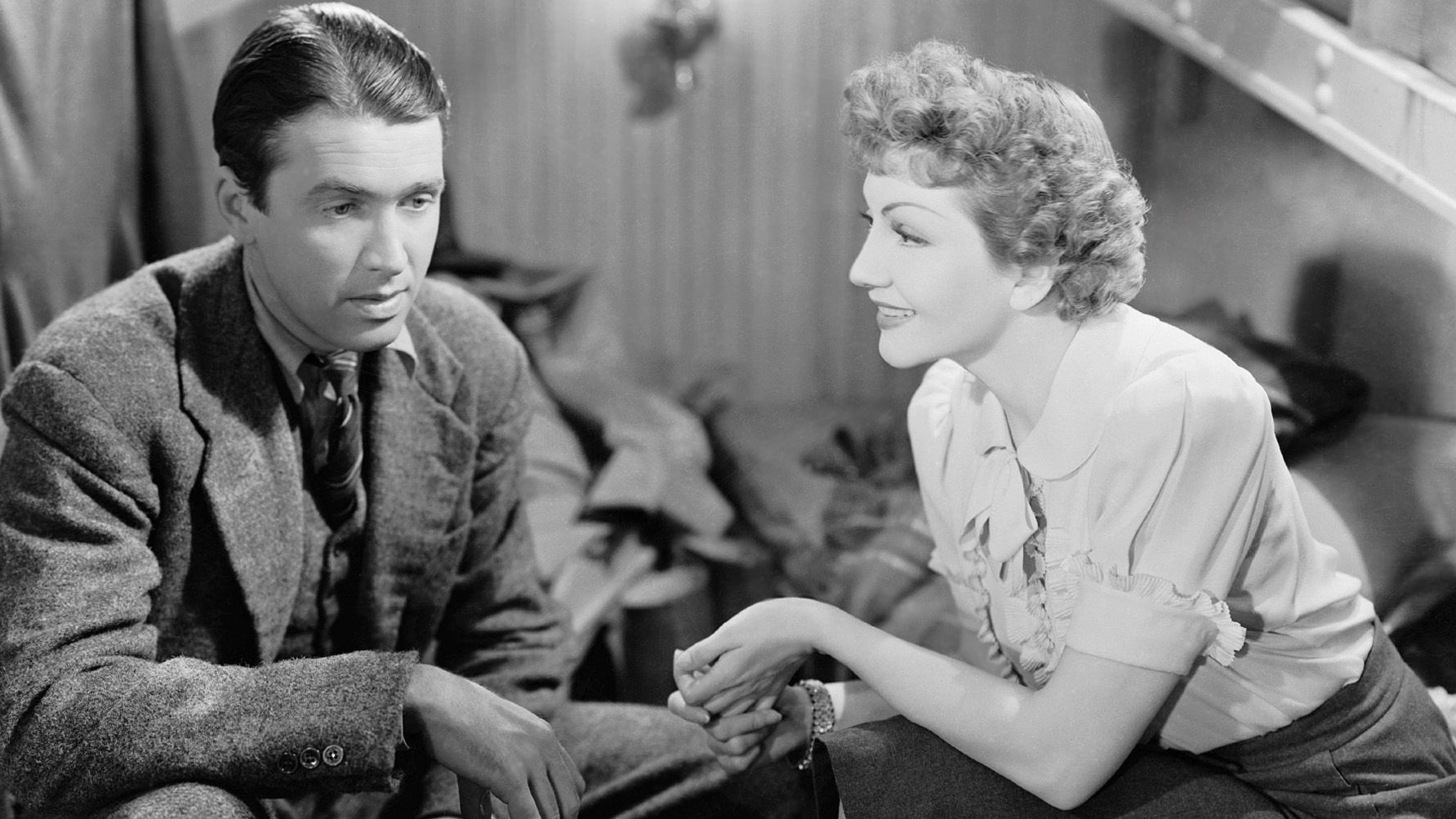
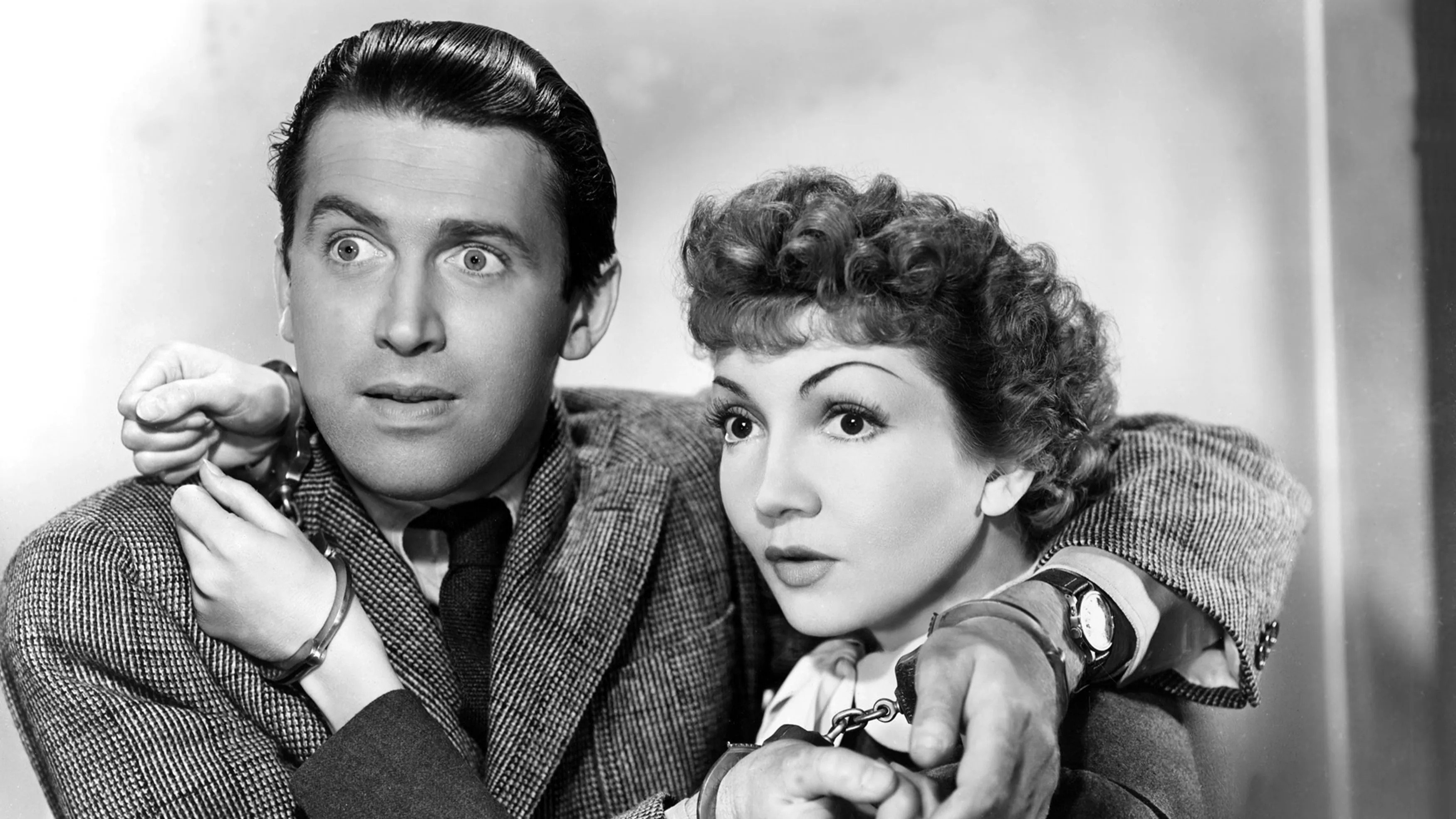
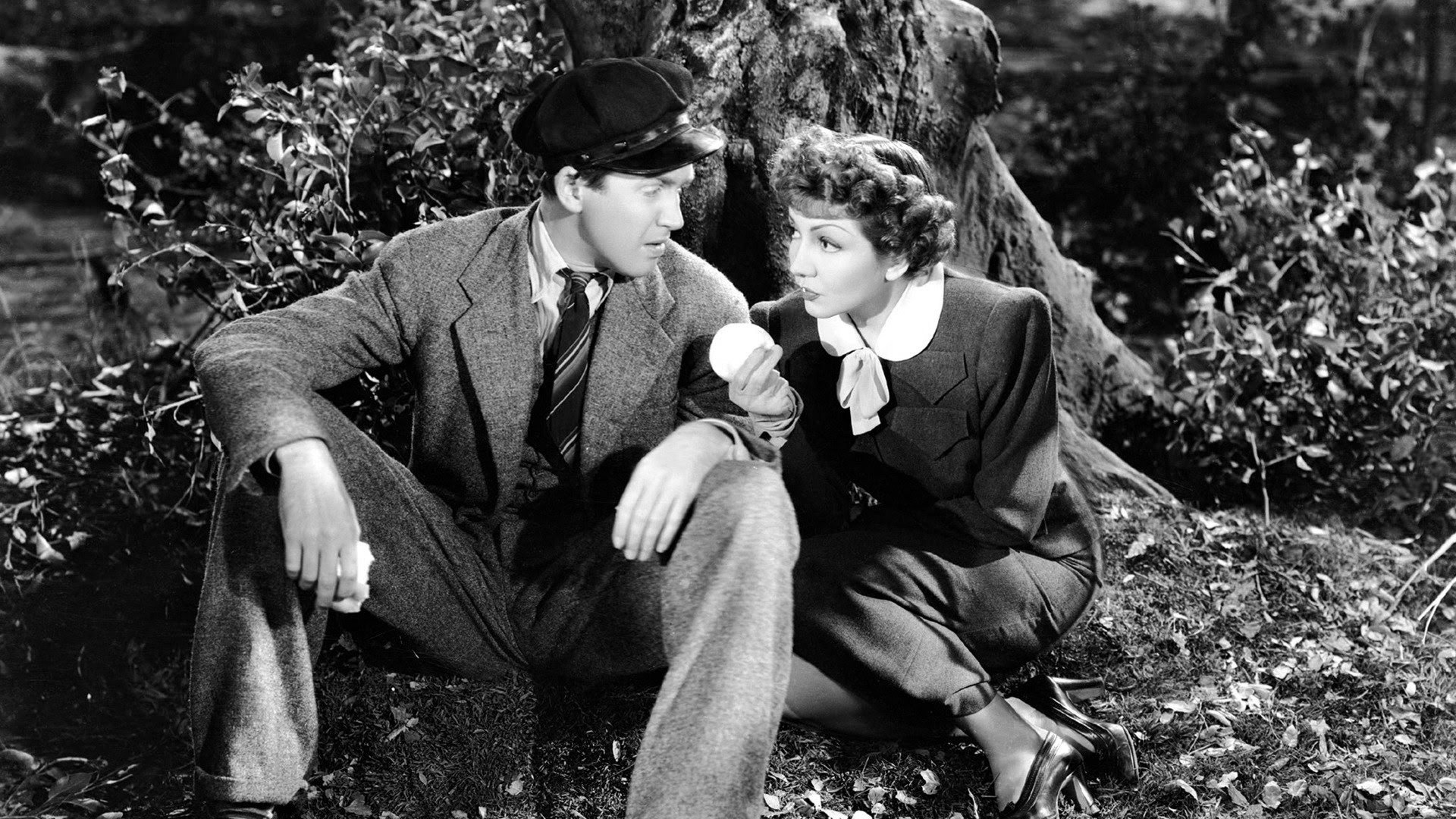
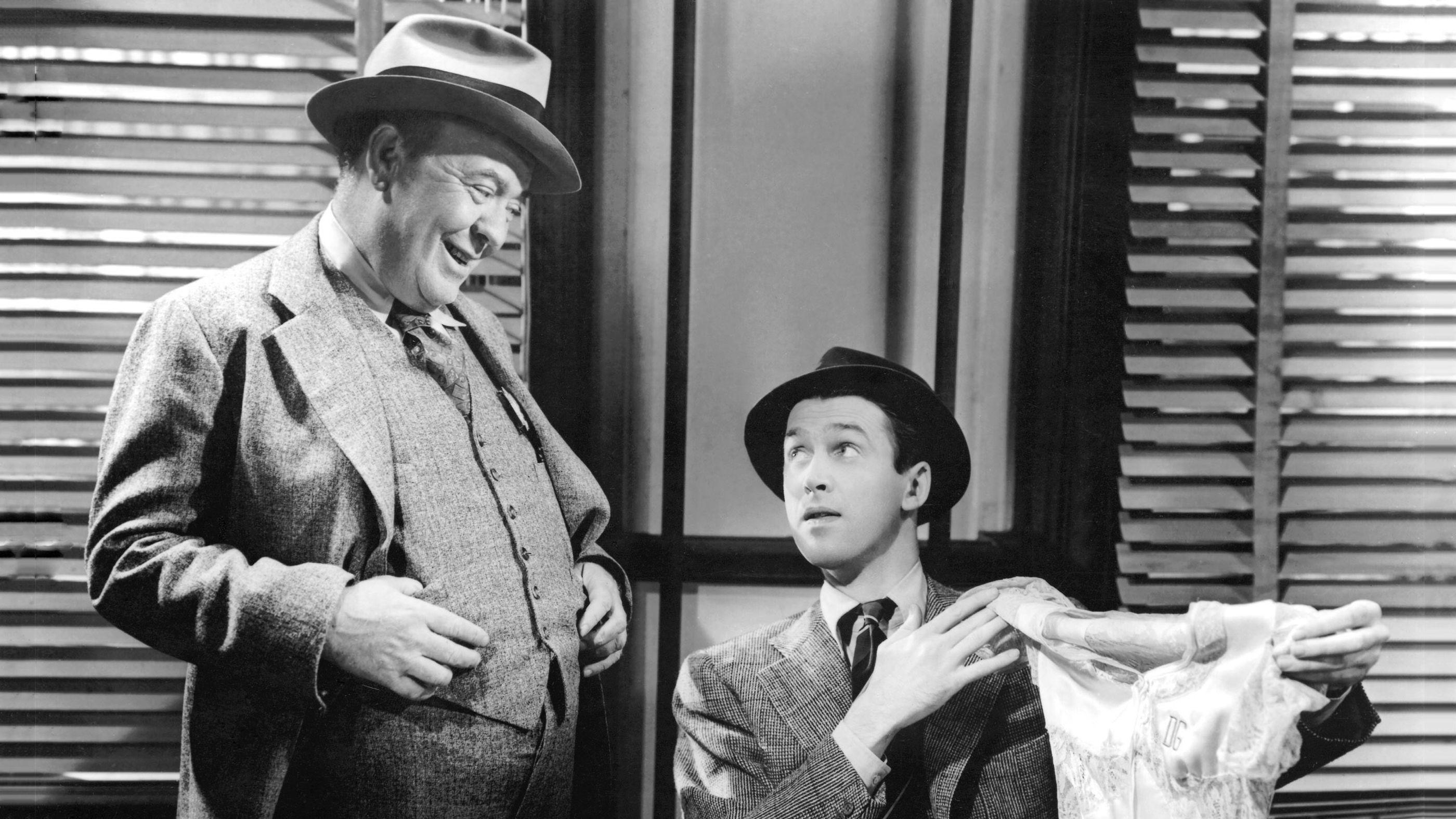
It’s a Wonderful World (1939), the comedy classic starring Claudette Colbert and James Stewart, was originally released in black and white — no official colour version was ever produced by the studio. What you are looking at is the professionally colorized restoration: every frame recoloured, available as an instant DRM-free HD (720p) download. You can judge it yourself — the colour preview plays on this page before you buy.
Buy Jigsaw (1949) in color — Fletcher Markle’s taut and suspenseful crime thriller that plunges an assistant district attorney into a deadly investigation of a powerful hate group terrorizing New York City. Starring Franchot Tone, Jean Wallace, Myron McCormick, Marc Lawrence, and a dazzling uncredited cameo from Marlene Dietrich as a night club patron. The search for a killer leads to a maze of intrigue — available now as an instant, DRM-free digital download.
Howard Malloy (Franchot Tone), a sharp and principled assistant district attorney in New York City, is drawn into a dangerous investigation when a crusading newspaper columnist is brutally murdered after publishing a series of exposés targeting a shadowy hate organization that has been spreading its poisonous ideology through the city. The dead journalist had been piecing together the identities of the group’s secret leadership, and his unfinished work — scattered notes, cryptic references, and half-assembled evidence — resembles a jigsaw puzzle with its most critical pieces still missing. Malloy takes up the dead man’s cause, determined to fit the fragments together and bring the organization’s leaders to justice. As he digs deeper into the case, Malloy encounters a complex web of seemingly respectable citizens whose public faces mask their involvement in the conspiracy. Barbara Whitfield (Jean Wallace), a beautiful and enigmatic woman connected to the art world, enters Malloy’s orbit under circumstances that are never entirely clear — is she an ally, a witness, or something far more dangerous? Their attraction is immediate and intense, but Malloy cannot afford to trust anyone as the bodies begin to pile up and the hate group’s enforcers close in around him. Charlie Riggs (Myron McCormick), Malloy’s trusted colleague, works alongside him to untangle the conspiracy, but even Charlie’s loyalty is tested as the investigation exposes corruption reaching into unexpected corners of the city’s establishment. The most terrifying figure in the organization is Angelo Agostini (Marc Lawrence), a cold-blooded enforcer whose dead eyes and casual brutality make him the physical embodiment of the hatred the group promotes. Mrs. Hartley (Winifred Lenihan), an affluent society matron, and Caroline Riggs (Betty Harper) are drawn into the widening net of suspects and witnesses as Malloy methodically pieces the jigsaw together, each new fragment revealing a more horrifying picture of organized bigotry operating in plain sight. At a fashionable night club, even a glamorous patron (Marlene Dietrich) crosses Malloy’s path as his investigation sweeps through every level of New York society. The deeper Malloy probes, the more dangerous his position becomes — he is tailed, threatened, and nearly killed as the hate group realizes he is getting close to identifying its hidden leaders. The film builds to a gripping climax as Malloy assembles the final pieces of evidence, confronts the conspiracy’s masterminds, and exposes the rot festering beneath the surface of a city that prides itself on tolerance. Fletcher Markle shoots the entire film on the streets and in the bars, offices, and apartments of New York City, giving the picture a documentary authenticity that makes its message about the danger of organized hatred feel uncomfortably immediate and urgent.
This professionally colorized version of Jigsaw transforms Fletcher Markle’s hard-hitting noir thriller into a visual experience of gritty, atmospheric power. The meticulous frame-by-frame colorization process reveals the streets of New York City in stunning postwar detail — the warm neon glow of midtown bars, the cold grey institutional interiors of the district attorney’s office, the rich amber lamplight of smoke-filled nightclubs, and the harsh fluorescent glare of newspaper offices where the truth is fought for one deadline at a time. Franchot Tone is commanding in color, his sharp suits rendered in the cool greys and dark blues of a man who moves with authority through every stratum of the city, from the marble corridors of power to the shadowy back rooms where the conspiracy festers. Jean Wallace is luminous — her wardrobe of elegant evening gowns and tailored daywear emerges in sophisticated creams, deep reds, and midnight blacks that mark her as a woman of mystery and allure. Marc Lawrence’s Angelo Agostini is terrifying in color, his sallow complexion and dark, lifeless eyes given an almost reptilian quality by the warm and cold tones that play across his face in the film’s noir lighting. The colorization captures the authentic texture of late-1940s New York — the yellow taxicabs, the green awnings of downtown restaurants, the warm brick facades of Greenwich Village apartments, and the cold steel of the city’s institutional architecture. Marlene Dietrich’s brief but unforgettable cameo sparkles in color, her legendary glamour radiating from the screen in shimmering gold and soft champagne tones. This restored and colorized version of the classic movie preserves every frame of the original black and white masterwork while unlocking the vivid visual world of postwar New York hidden within its extraordinary location photography.
Jigsaw (1949) occupies a distinctive and historically important place in American cinema as one of the earliest Hollywood films to directly and unflinchingly confront the threat of organized hate groups operating within the United States. Released in the shadow of World War II, when the horrors of fascism and racial hatred were still raw in the public consciousness, the film’s depiction of a secret organization spreading bigotry through a democratic society carried an urgency and moral weight that resonated powerfully with contemporary audiences. Fletcher Markle, a Canadian filmmaker and radio dramatist who brought a documentarian’s eye for authentic detail to his work, shot Jigsaw entirely on location in New York City, giving the film a raw, street-level realism that anticipates the location-shooting revolution of the 1950s and 1960s. The film’s impressive roster of uncredited cameo appearances — including Marlene Dietrich, Burgess Meredith, and John Garfield — reflected the personal commitment of many Hollywood figures to the anti-bigotry causes the film championed. Franchot Tone, a versatile and underappreciated actor who had been a major star at MGM in the 1930s, delivers one of his most forceful performances as the dogged prosecutor, demonstrating the dramatic intensity that had made him a founding member of the Group Theatre alongside Lee Strasberg and Elia Kazan. The film stands as a powerful artifact of postwar American liberalism and a reminder that the struggle against organized hatred is a story without an ending.
What is Jigsaw (1949) about?
Jigsaw is a gripping crime thriller about an assistant district attorney in New York City who investigates a powerful secret hate organization after a journalist exposing the group is murdered. The film follows his dangerous pursuit of the conspiracy’s leaders through every level of New York society, piecing together fragments of evidence like a jigsaw puzzle while evading the group’s violent enforcers.
Does Marlene Dietrich really appear in Jigsaw?
Yes, the legendary Marlene Dietrich makes an uncredited cameo appearance as a glamorous night club patron. Several other major Hollywood stars of the era also made uncredited appearances in the film as a gesture of support for its anti-bigotry message, making Jigsaw a fascinating time capsule of postwar Hollywood activism.
Is this a film noir?
Absolutely. Jigsaw is a classic example of late-1940s film noir, featuring all the hallmarks of the genre — a tough, morally driven protagonist navigating a corrupt and dangerous urban landscape, a beautiful woman whose loyalties are uncertain, shadowy cinematography, a pervasive atmosphere of menace and paranoia, and a hard-boiled narrative that peels back the respectable surface of society to reveal the darkness underneath.
Why is this film historically important?
Jigsaw was one of the first Hollywood films to directly confront the threat of organized domestic hate groups in postwar America. Made in the immediate aftermath of World War II, the film carried a powerful warning about the danger of bigotry flourishing in a democratic society and reflected the deep commitment of many Hollywood artists to anti-fascist and civil rights causes.
Is this the original film with added color?
Yes, this is the complete original 1949 film that has been restored and enhanced with professional colorization technology. Every scene and all original dialogue are preserved exactly as intended.
What devices can I watch this on?
You can watch this colorized version on any device that plays MP4 or MKV files, including computers, tablets, smartphones, smart TVs, and media players like Roku or Apple TV.
Is the download DRM-free?
Absolutely. Your purchase is completely DRM-free, meaning you own the file outright with no restrictions on how many times you watch it or on which devices you play it.
How and when will I receive my download?
You will receive your download link instantly on-screen after purchase, and a backup link will also be sent to your email address. No waiting period — you can start watching immediately.
How much does it cost to buy this colorized classic?
The price for this restored and professionally colorized edition is €15.00 — a one-time payment for a permanent, DRM-free download you can watch anytime.
Also available in colour for international viewers. This restored and professionally colorized edition of Jigsaw brings Fletcher Markle’s hard-hitting crime thriller to vivid new life for a generation of classic film fans. Watch this landmark classic movie and experience the colorization that reveals every shadow, every neon light, and every dangerous corner of postwar New York City.